

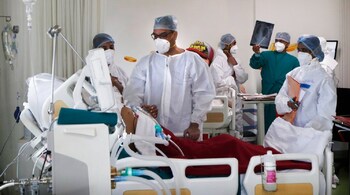
Ninety-six per cent of the 1,900-odd patients on oxygen beds in Mumbai have not received even a single dose of the Covid-19 vaccine, said BMC commissioner Iqbal Chahal, after the analysation of vaccination and civic data.
Meanwhile, the BMC has decided that, unlike the first and second waves, where positivity was used to impose a lockdown or restrictions, further curbs would be imposed only if there is a burden of high hospitalisation rates and a steep increase in oxygen usage in the third wave, the Times of India reported.
In a TV interview, Chahal said that ninety-six per cent of the patients admitted on oxygen beds in 186 hospitals of Mumbai were unvaccinated, and that the general trend was that vaccinated people were not reaching ICUs.
“We have 21 lakh vaccine stock available with us. The current hurdle in ensuring the entire adult population is vaccinated is the 84-day gap required between the two doses. Today, too, our vaccination percentage is the best in India,” the commissioner said, adding that people should not think of the Omicron as a flu, adding if unvaccinated it definitely can take an infected person to the ICU.
More than one crore people in Mumbai have received both doses, while nearly 90 lakh have received only one vaccine shot, according to the BMC. Chahal also stated that additional restrictions would be imposed in the third wave only if the burden of hospitalizations and oxygen use skyrocketed.
Chahal stated that they were in control of Covid-related deaths, with 19 deaths in the previous 16 days. “Despite the fact that Mumbai has one lakh active cases as of today, only ten tonnes of oxygen are being used."
WHO Flags Risk for Unvaccinated
The highly infectious Omicron coronavirus variant causes less severe disease than the Delta strain but it remains a “dangerous virus", particularly for those who are unvaccinated, the head of the World Health Organization (WHO) said on Wednesday.
Speaking at a news briefing, director general Tedros Adhanom Ghebreyesus said more than 90 countries were yet to meet the target of vaccinating 40% of their populations and more than 85% of people in Africa were yet to receive a single dose. “We mustn’t allow this virus a free ride or wave the white flag, especially when so many people around the globe remain unvaccinated," he said.
In its weekly epidemiological report on Tuesday, the WHO said cases increased by 55%, or 15 million, in the week to Jan. 9 from a week earlier - by far the most cases reported in a single week.
Discover the latest Business News, Sensex, and Nifty updates. Obtain Personal Finance insights, tax queries, and expert opinions on Moneycontrol or download the Moneycontrol App to stay updated!





