

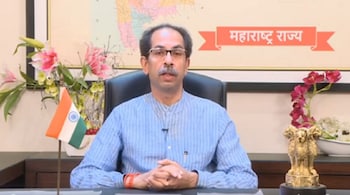
At a meeting with senior health officials and the COVID task force, Maharashtra Chief Minister Uddhav Thackeray instructed them to prepare for restrictions similar to lockdown if people continue to violate COVID-related rules.
In the meeting that took place on March 28, Thackeray said the COVID cases are rising because people are not following guidelines seriously, and that is why strict steps like lockdown are needed to be considered, reported ANI.
During the meeting, the COVID task force also expressed concerns over an increased death rate. Beds and other health facilities are also becoming inadequate due to the rapid increase in cases in the state.
Thackeray has instructed for an SOP to be drawn up, so a planned shutdown can be implemented. The CM also instructed the COVID task force to ensure an adequate supply of oxygen focus on institutional quarantine, instead of home quarantine and increase ICUs and ventilators, as mortality rates can go up, according to News 18.
The CM also suggested to enrol private doctors for medical services and give higher priority to old and comorbid patients. He also said that people w with comorbidities must be allowed to work from home.
It's been more than a month now that COVID cases have been spiralling in Maharashtra. Over the past few weeks, many measures have been taken to control the spread of the virus. Partial lockdowns, night curfews, stricter restrictions- all these have been tried out on districts such as Pune, Nagpur, Amravati, etc. Even Mumbai's Brihanmumbai Municipal Corporation tightened its COVID restrictions in February.
But cases have not stopped increasing. According to the Union Health Ministry, Maharashtra is one of the seven states that contributes to 81.46 percent of the daily new cases registered in the last 24 hours. The other six are Chhattisgarh, Karnataka, Punjab, Gujarat, Madhya Pradesh and Tamil Nadu.
As per earlier orders, a night curfew will be imposed in Maharashtra from March 28, 8 pm in view of the unabated rise in COVID-19 cases, an official statement said.
On March 27, local authorities were instructed to ensure that shopping malls remain shut between 8 pm and 7 am.
CM Thackeray also warned of stricter restrictions if people did not observe COVID-19 safety protocol, an official release stated.
Among the curbs, the state government has increased the fine to Rs 500 from the existing Rs 200 on anyone found without a mask in public in an attempt to contain virus surge.
On March 27, Maharashtra reported 35,726 new positive cases, 14,523 discharges and 166 deaths. The total number of cases in the state stands at 26,73,461. Total recoveries are at 23,14,579; Death toll at 54,073 and active cases at 3,03,475.
Discover the latest Business News, Sensex, and Nifty updates. Obtain Personal Finance insights, tax queries, and expert opinions on Moneycontrol or download the Moneycontrol App to stay updated!





