

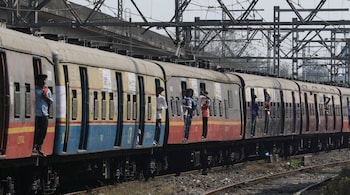
Indian Railways has increased passenger fares for the second time in 2025-26, with officials terming the move calibrated and aimed at limiting the burden on commuters, a Business Standard report said on Monday.
The revision is expected to add about Rs 600 crore to the Railways' revenue in the current financial year. At existing passenger volumes, the fare hike would translate into an annualised revenue gain of nearly Rs 2,400 crore, the ministry said, Business Standard noted.
The revised fares will come into effect from December 26. Under the new structure, ticket prices for air-conditioned classes will rise by 2 paise per kilometre, while non-air-conditioned travel on mail and express trains will also cost 2 paise more per km, Business Standard reported.
For ordinary non-AC trains, fares will increase by 1 paise per km for journeys exceeding 215 km. This means a passenger travelling 500 km in a non-AC coach will pay about Rs 10 extra. A Delhi-Mumbai journey in air-conditioned classes will now cost around Rs 30 more, Business Standard said. There will be no change in fares for suburban services, monthly season tickets, or for ordinary-class journeys up to 215 km, a Railways spokesperson told Business Standard.
The latest revision follows a fare hike in July that was expected to generate around Rs 1,500 crore annually in additional revenue, Business Standard reported. Officials said the fresh increase comes at a time when the Railways is dealing with rising wage and pension liabilities, while freight rates have remained unchanged for the past seven years.
Over the last decade, Indian Railways has significantly expanded its network and operations. To support higher service levels and improve safety, manpower has been increased, pushing up costs, Business Standard noted. Manpower expenses have risen to about Rs 1.15 trillion, while pension payouts have climbed to around Rs 600 billion. Overall operational expenditure stood at Rs 2.63 trillion in 2024-25.
"Manpower cost has increased to Rs 1,15,000 crore. Pension cost has increased to Rs 60,000 crore. Total cost of operations has increased to Rs 2,63,000 crore in 2024-25," the railways said in a statement.
To manage these pressures, the national transporter is focusing on boosting cargo volumes alongside limited passenger fare rationalisation, officials said, Business Standard reported. Experts told Business Standard that the impact of the fare hike on passengers is likely to be modest, as rail travel continues to be cheaper than most alternative modes of transport.
However, they added that fare rationalisation needs to be planned more systematically. Occasional increases may not be sufficient to offset passenger service losses of over Rs 600 billion a year or help achieve ambitious targets such as Rs 92,000 crore in passenger revenue for 2025-26.
Indian Railways' annual gross revenue exceeds Rs 2.6-2.7 trillion, making the additional Rs 600 crore from the latest hike just about 0.2-0.25% of total receipts, Business Standard noted. The operating ratio for FY26 is estimated at 98.43%, indicating the expenditure incurred to earn every rupee of revenue.
Discover the latest Business News, Sensex, and Nifty updates. Obtain Personal Finance insights, tax queries, and expert opinions on Moneycontrol or download the Moneycontrol App to stay updated!





