

The price of Aviation Turbine Fuel (ATF) will be reduced by 14 percent from March 21, sources told CNBC-TV18.
As of March 1, one kilolitre of ATF was available in Delhi at Rs 56,859.01 and in Mumbai for Rs 56,400.74. Similarly, the price of one kilolitre ATF in Chennai was at Rs 58,875.63 and Rs 62,160. 48 in Kolkata. These prices are set to be reduced by nearly 14 percent from March 21 onwards.
Conventionally, prices of ATF are revised on the first of every month. But, airlines have been appealing to the government to revise prices every week so that they can benefit from the decline in global prices of crude oil.
ATF comprises the largest spend on the balance sheet of Indian airlines, constituting almost 35-40 percent of the total expenditure.
The move will bring some relief to airlines, which are suffering from a weak demand because of the coronavirus (COVID-19) pandemic. To curtail the spread, most domestic carriers have suspended international operations as a result of visa advisories and other travel restrictions.
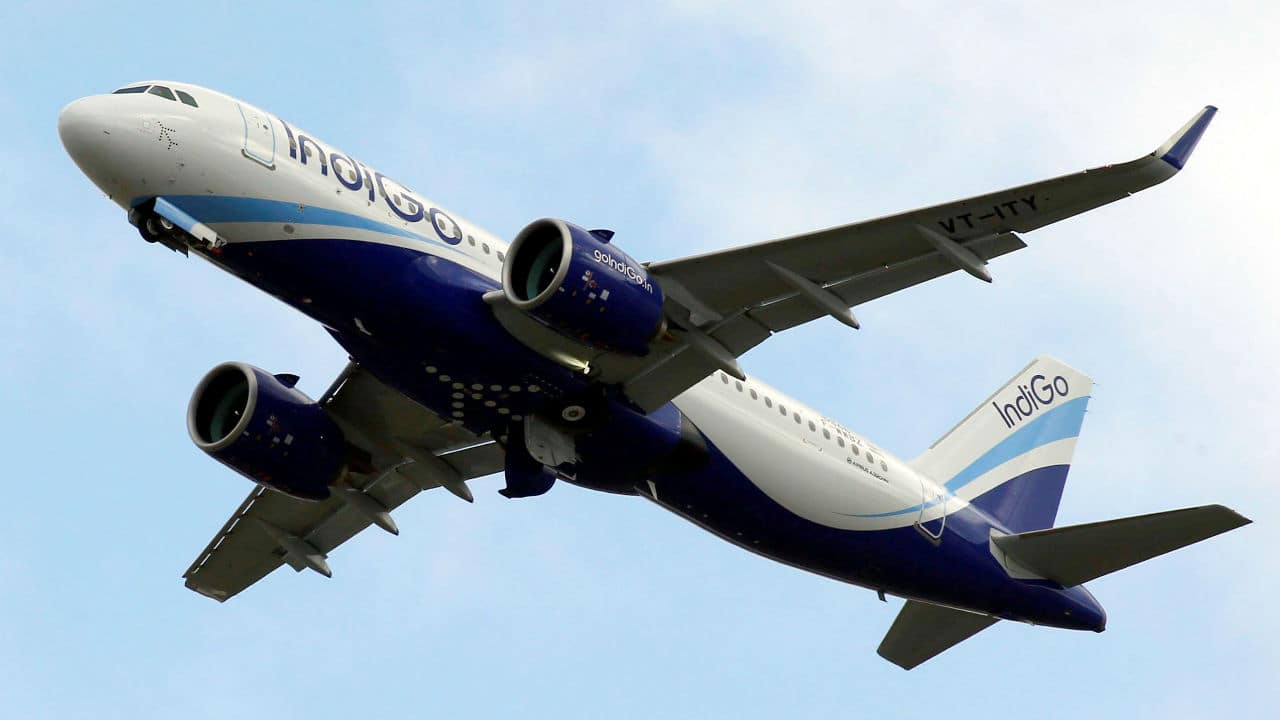
Consequently, revenues have taken a hit and airlines are operating on a curtailed schedule. On March 20, budget carrier IndiGo had announced that it will reduce its domestic network by 25 percent.
Discover the latest Business News, Sensex, and Nifty updates. Obtain Personal Finance insights, tax queries, and expert opinions on Moneycontrol or download the Moneycontrol App to stay updated!





