

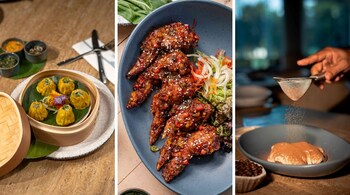
In today’s culinary landscape, Indian diners are no longer satisfied with just flavour as they crave texture, contrast, and surprise on their plates. The modern Indian palate has evolved to appreciate the delicate play between crisp and creamy, spicy and subtle, local and global. This new appreciation for layered experiences has led to a fascinating chapter in India’s dining scene — one that celebrates the interplay of textures and flavours in ways that feel both comforting and contemporary.
The new language of texture:
In modern kitchens, texture is emerging as the secret ingredient to satisfaction. It’s what makes a dish memorable, keeping diners engaged from the first bite to the last. “Texture is key to satisfaction. Indian cuisine thrives on contrasts and appealing and fusion cooking elevates this by layering elements like crunchy tempura with spiced sauces or pairing grilled proteins with smooth purees. A mix of crisp, soft, and creamy textures keeps the dish dynamic and engaging,” Amit and Richa Katyal, Founders at Peepal Hospitality, tell Moneycontrol.
Also read | Top food trends to watch out for in 2025 according to industry experts
What makes Indian fusion so dynamic is its ability to connect with other culinary traditions through shared sensibilities. Think Harissa prawns paired with Indian-style Tandoori breads or creamy Hummus served with a desi twist — these global-meets-local combinations are redefining comfort food. From Krapow pizzas and Thai-style chili chicken to Indian coriander pesto grills, chefs are adding artistic touch with clean lines, vibrant textures, and a focus on clever mix and match.
Healthful indulgence:
India’s deep-rooted vegetarian traditions have provided chefs with a natural canvas for reinvention. As diners become more conscious and globally inspired, the fusion of Indian comfort with modern dietary preferences is redefining indulgence. The result is food that’s lighter, greener, and yet distinctly Indian at its core. “Indian food already has a strong vegetarian foundation; chefs are creatively reimagining traditional dishes to suit global dietary preferences while keeping authenticity intact. Indian cuisine’s natural use of lentils, chickpeas, coconut milk, and plant oils makes it ideal for vegan fusion. Butter and cream are replaced with cashew or almond pastes, while ghee gives way to cold-pressed oils. Dishes like Quinoa Upma, Baked Kathal with pea mash reinterpret classics for global cuisine guests,” the Katyals explain.
In the modern kitchens, where spices meet subtlety marks the next stage of Indian fine dining – now it’s not just about new ingredients, but about textural storytelling. Amit and Richa Katyal mention, “As chefs, we have swapped traditional carbs like rice and naan for quinoa, millet, or almond flour versions. We have also kept in mind about the ‘farm-to-table’ and sustainable dining movements in Indian fusion. Local produce, microgreens, and regional grains feature in global cuisine also helps in making jackfruit biryanis, beetroot balls.”
Indian cuisine’s natural reliance on lentils, chickpeas, coconut milk, and plant oils makes it ideal for vegan and plant-forward dining. Butter and cream are now replaced by cashew or almond pastes, while ghee gives way to cold-pressed oils — these are small changes that make a big difference in both texture and nutrition.
Discover the latest Business News, Sensex, and Nifty updates. Obtain Personal Finance insights, tax queries, and expert opinions on Moneycontrol or download the Moneycontrol App to stay updated!





