

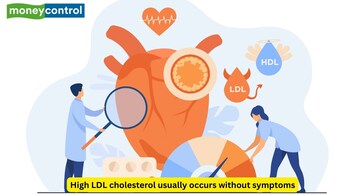
Cholesterol is a waxy, fat-like substance that your body needs to function. It keeps cells healthy, makes hormones, and helps digest food. But as with most things in life, balance is key. Cholesterol travels around your bloodstream tucked inside tiny parcels called lipoproteins, little round packets made of fat and protein.
HDL, often called the “good” cholesterol, sweeps up excess fat and escorts it to the liver to be cleared out. LDL, the “bad” cholesterol, can pile up where it shouldn’t, forming gunky plaque in your arteries. The genes you inherit may increase your chances of cholesterol levels being higher from the start, especially if high cholesterol runs in the family. But everyday habits also play a role. A diet rich in saturated fats, low physical activity, smoking and certain medications can all push LDL levels up. Later, plaque builds along artery walls, narrowing them like clogged water pipes. If left unchecked, the risk of a heart attack or stroke begins to rise, often without a warning.
Also read: Doctor says these 3 medicines can save a heart attack patient
Symptoms of Raised Cholesterol
High LDL cholesterol usually occurs without symptoms. Many people only discover a problem during a routine blood test. But when levels soar extremely high, particularly in inherited conditions like familial hypercholesterolaemia, the body sometimes sends out visual clues. Xanthomas, small fatty bumps, may appear on elbows, knees, ankles or even the hands. Some people develop corneal arcus, pale grey-white rings circling the iris. These signs can look harmless, but they’re often a sign that cholesterol has been high for years.
Diagnosis and Prevention
A doctor will look at your medical and family history, lifestyle habits and any physical signs before ordering a simple blood test called a lipid panel. This checks total cholesterol, LDL, HDL and triglycerides. In some cases, you’ll be asked to fast for 8–12 hours beforehand. Ideally, non-HDL cholesterol should sit below 130 mg/dL, with HDL above 40 mg/dL for men and 50 mg/dL for women.
Also read: Are the eggs you eat for breakfast safe? Doctor says beware of this one substance
Prevention lies in the heart-friendly habits, eating fewer saturated fats, staying active, stopping smoking and maintaining a healthy weight. When lifestyle adjustments aren’t enough, medicines can help restore balance.
FAQs on raised cholesterol:
1. What causes raised cholesterol?High cholesterol is usually caused by a combination of diet high in saturated fats, lack of exercise, genetics, age, and certain medical conditions.
2. Can high cholesterol exist without symptoms?
Yes. Raised cholesterol is often silent, which is why regular blood tests are important.
3. How can I lower cholesterol naturally?
Eating more fiber-rich foods, reducing saturated fats, exercising regularly, maintaining a healthy weight, and quitting smoking can all help.
4. Does raised cholesterol increase heart disease risk?
Yes. Excess LDL cholesterol can build up in arteries, increasing the risk of heart attack, stroke, and atherosclerosis.
5. How often should cholesterol be checked?
Most adults should test every 4–6 years, but people with risk factors (family history, diabetes, obesity) may need more frequent checks.
Disclaimer: This article, including health and fitness advice, only provides generic information. Don’t treat it as a substitute for qualified medical opinion. Always consult a specialist for specific health diagnosis.
Discover the latest Business News, Sensex, and Nifty updates. Obtain Personal Finance insights, tax queries, and expert opinions on Moneycontrol or download the Moneycontrol App to stay updated!





