

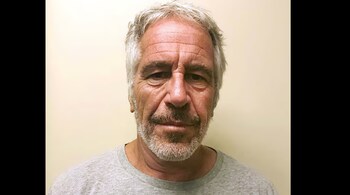
As Epstein files are set to be released, the victims of Jeffrey Epstein’s decades-long sexual abuse have propelled the issue to the forefront of the US national agenda. The House of Representatives voted 427‑1, and the Senate unanimously approved a bill compelling the Justice Department to disclose its files on Epstein.
President Donald Trump signed the measure on Wednesday, mandating the release of a substantial cache of documents in addition to those already made public by the House Oversight Committee. The files include evidence gathered during two major investigations into Epstein and his associate, Ghislaine Maxwell, who is serving a 20-year sentence for sex trafficking minors. This release underscores the public interest in disclosure, highlights victims’ rights, and raises questions about why some powerful names may resist full transparency.
The public interest in disclosure
The Epstein files consist of hundreds of thousands of pages collected across federal and state investigations, including court filings, witness statements, flight logs, contact books, emails, and other evidence. Some materials were gathered during the 2008 Florida prosecution and the 2019 federal investigation, as well as in civil litigation against Epstein and Maxwell. Portions of these documents have already entered the public domain, such as thousands of pages released by the House Oversight Committee and a “first phase” of DOJ disclosures in February, which included flight logs and a redacted contacts book.
The newly passed law requires the Justice Department to release all remaining documents within 30 days, in a searchable and downloadable format. Agencies must issue public reports within 15 days of each release, detailing withheld or redacted items. Information cannot be withheld solely due to embarrassment, reputational harm, or political sensitivity.
Victims’ rights and protections
The law allows the Justice Department to redact material that identifies victims, contains child sexual abuse imagery, or relates to ongoing investigations. Victims’ advocates have stressed that the files could finally provide a fuller accounting of Epstein’s crimes and offer some measure of transparency about the systemic failures that allowed his abuse to continue for decades.
Epstein’s victims, many of whom have pursued civil claims against him and Maxwell, have expressed frustration over previous delays and the partial release of documents. Lawyers representing survivors have warned that exemptions and ongoing DOJ investigations could prevent full disclosure, leaving questions about accountability unresolved.
Power, secrecy, and potential resistance
The files are also politically and socially sensitive, containing names of prominent figures who associated with Epstein, including politicians, business leaders, and celebrities. Being named in the documents does not automatically imply wrongdoing. Nevertheless, the potential for reputational harm has raised concerns that some powerful individuals may seek to limit transparency.
A provision allowing redactions for active investigations has drawn particular attention. Federal prosecutors recently launched inquiries into Epstein’s links to several political figures, which critics warn could be used to withhold documents. Transparency advocates have highlighted past DOJ and FBI actions, noting how exemptions and selective releases have delayed public access for years.
Experts warn that even with the mandated disclosures, redactions and withheld material could leave key questions unanswered. The full scope of Epstein’s network, the extent of accountability for those involved, and lessons for protecting future victims may still depend on careful scrutiny of the released documents.
(With inputs from agencies)
Discover the latest Business News, Sensex, and Nifty updates. Obtain Personal Finance insights, tax queries, and expert opinions on Moneycontrol or download the Moneycontrol App to stay updated!





