

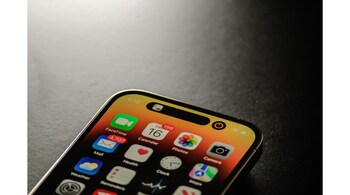
Apple’s AirDrop is finally opening its doors to Android—well, at least partly. Google has announced that its Quick Share feature will now work seamlessly with Apple’s AirDrop, starting with the upcoming Pixel 10 series. This means that sending photos, videos and files between iPhones and certain Android phones will no longer require any awkward workarounds, third-party apps, or desperate searches for a USB cable.
For years, AirDrop has been one of Apple’s biggest ecosystem strengths, allowing quick, wireless file transfers between iPhones, iPads and Macs. Android users, meanwhile, relied on Quick Share (formerly Nearby Share) for similar convenience. But cross-platform sharing wasn’t possible—until now. Google says it wants technology to connect people, not create barriers, and this new interoperability is a big milestone in that direction.
So how does this cross-platform sharing actually work? Pixel 10 users will be able to send and receive files directly with iPhones using AirDrop’s “Everyone for 10 minutes” mode. This is the same temporary sharing mode Apple uses when transferring files to someone who isn’t in your contact list. There’s no server involved, no cloud routing, and no logging—just a direct, peer-to-peer connection. Users simply confirm each other’s device names to ensure they’re sending the file to the right person.
The bigger story here, though, is security. Google has put heavy emphasis on how safe this new link between Android and iOS is. The entire interoperability layer has been built using Rust—a programming language that security agencies like the NSA and CISA endorse because it prevents common memory-related vulnerabilities. Since file-sharing involves receiving and parsing wireless data packets, using a memory-safe language dramatically reduces the risk of attacks like buffer overflows.
Google says it followed the same strict security process it uses for its core products: threat modelling, internal reviews, and extensive penetration testing. After that, the company brought in NetSPI, a leading third-party security firm, to validate the work. The external assessment concluded that the Quick Share–AirDrop implementation is secure and “notably stronger” than other industry solutions.
For now, interoperability is limited to AirDrop’s open sharing mode, but Google has expressed interest in working with Apple to eventually enable “Contacts Only” mode as well. And while the feature debuts with the Pixel 10 family, Google hints that it will expand support to more devices in the future.
If this momentum continues, the long-standing walls between Android and iOS may finally start to crack—making everyday tasks like sending a photo as simple as they should be.
Discover the latest Business News, Sensex, and Nifty updates. Obtain Personal Finance insights, tax queries, and expert opinions on Moneycontrol or download the Moneycontrol App to stay updated!





