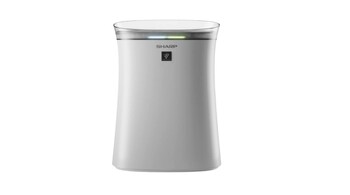
Filtration technology and filter gradeThe first and most important metric is the filter type. HEPA remains the industry benchmark. A true HEPA filter (H13 or H14) captures at least 99.95 to 99.995 percent of particles sized 0.3 microns. Avoid products advertising “HEPA-like” or “HEPA-type” as these do not meet the same standards. Many products add a pre-filter to trap hair and coarse dust, and an activated carbon layer to absorb odours and some gases. Users in cities with high traffic pollution or households with pets should consider multi-stage filtration.
CADR (Clean Air Delivery Rate)CADR reflects the volume of filtered air delivered per minute and is usually measured for smoke, dust, and pollen. A higher CADR means faster cleaning of a room. Match CADR to room size: for a 150–200 sq ft bedroom, look for around 200–250 m³/h CADR; for larger living rooms, 350–450 m³/h is more appropriate. Underpowered units run longer and consume more energy with poorer results.
Story continues below Advertisement
Room coverage and airflow designAlways map the device’s rated coverage with your real room size. Manufacturers often specify ideal conditions, which might not reflect reality with open doors, fans, or windows. Also look at airflow architecture — top-to-bottom or 360-degree intakes provide more uniform circulation than front-only suction in cramped spaces.
Noise level and 24×7 usabilityPurifiers are most effective when they run continuously. Check noise output, especially in sleep mode. A quiet range for bedrooms is 20–30 dB; 40–50 dB is acceptable for living areas. If the sound is intrusive, you will likely switch it off, reducing its effectiveness.
Certification, maintenance cost, and filters availabilityIndependent certifications from organisations such as AHAM (for CADR claims), ECARF, or BIS in India add credibility. Beyond the purchase price, filters need replacement every 6–12 months depending on pollution load. Check the cost, availability, and replacement process before buying. A device with proprietary, expensive filters or poor spares support will cost more over its usable life.
Story continues below Advertisement
Discover the latest Business News, Sensex, and Nifty updates. Obtain Personal Finance insights, tax queries, and expert opinions on Moneycontrol or download the Moneycontrol App to stay updated!