



Scientists working in West Antarctica have attempted an ambitious effort to study Thwaites Glacier, using deep drilling technology to observe warm ocean water melting the ice from below, according to research teams involved in the expedition.
Drilling into the heart of Thwaites Glacier
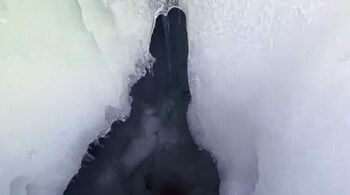
Researchers from the British Antarctic Survey and Korea Polar Research Institute led the mission. Their goal was reaching the glacier base directly. They aimed to collect first ever measurements beneath Thwaites Glacier. The team drilled using heated water reaching temperatures near 80 degrees Celsius. The process created a borehole around 1,000 metres deep. Cameras were lowered to document internal glacier conditions.
Footage revealed layered ice formations and unexpected cave like structures. These features showed how complex the glacier interior remains. Scientists believe such formations influence ice movement significantly. The work focused on understanding ocean driven melting processes. Warm water beneath the ice is accelerating glacier retreat. This interaction remains poorly understood by researchers globally.
Why Thwaites Glacier matters globally
Thwaites Glacier plays a critical role in sea levels. Scientists often call it the Doomsday Glacier. A full collapse could raise oceans rapidly worldwide. Current estimates show Thwaites contributes around 4 percent annually. Some sections already show severe structural instability. Climate warming is pushing warm water deeper inland. That process weakens ice anchoring points significantly.
Understanding this interaction remains a scientific priority. Researchers believe the glacier could destabilise neighbouring ice masses. That outcome would worsen long term sea level rise. Coastal regions globally would face increased flooding risks. The research aimed to refine future climate projections. Data from beneath the glacier remains extremely limited.
Extreme conditions challenge Antarctic science
Fieldwork conditions proved exceptionally challenging for the research team. Temperatures caused the borehole to refreeze quickly. The glacier itself moves several metres daily. That movement warped the borehole structure constantly. Weather conditions worsened as supplies began dwindling.
The research vessel Araon was scheduled to depart. Scientists were forced to abandon the mission. Instruments were lost and unrecovered within the ice. This marked the second failed attempt since 2022. Earlier efforts were blocked by severe sea ice. Despite setbacks, scientists remain committed to returning.
Professor Won Sang Lee of KOPRI said the location remains vital. He stated the data confirms its scientific importance. BAS oceanographer Peter Davis acknowledged the disappointment openly. He said failure remains part of pushing scientific limits. Researchers confirmed heat beneath Thwaites drives ice loss. Future expeditions will use lessons learned this season. Teams hope to return with improved equipment and timing. Scientists say understanding Thwaites remains essential for climate forecasting.
Discover the latest Business News, Sensex, and Nifty updates. Obtain Personal Finance insights, tax queries, and expert opinions on Moneycontrol or download the Moneycontrol App to stay updated!






