

For years, psychotherapists, yoga practitioners, and self-help figures like Mel Robbins have promoted vagus nerve stimulation as a way to “reset” the nervous system and ease anxiety. Now, a growing body of research suggests that stimulating this crucial nerve could do far more than calm the mind — it may also be key to reducing inflammation and prolonging life.
“In our modern world, inflammation has replaced infection as the greatest threat to healthful human longevity,” wrote Dr Kevin Tracey, a neurosurgeon and inflammation researcher, in his new book The Great Nerve: The New Science of the Vagus Nerve and How to Harness Its Healing Reflexes. Tracey serves as the president and CEO of the Feinstein Institute for Medical Research.
Speaking to Business Insider, Tracey described modern chronic illnesses — including cancer, heart disease, and diabetes — as “diseases of inflammation”. According to data from the World Health Organisation, these non-infectious diseases were responsible for three-quarters of global deaths in 2021. That figure excludes the millions affected by autoimmune disorders, which emerging science also attributes to long-term inflammation. In the United States alone, one in 15 people is affected by autoimmune disease annually.
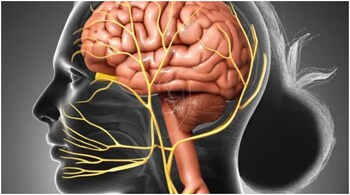
The vagus nerve, which comprises approximately 200,000 fibres, extends from the brainstem down each side of the neck and into the gut, interacting with nearly every major organ. It activates the parasympathetic nervous system — which slows the heart rate, promotes digestion, regulates mood, and supports immune function — essentially counteracting the body’s “fight or flight” stress response.
Although neuroscientists continue to study the precise function of each fibre, it is well established that vagus nerve activity — known as vagal tone — plays a central role in lowering heart rate. What remains unclear is which of the nerve’s hundreds of thousands of fibres are responsible for specific effects.
The US Food and Drug Administration (FDA) approved an implantable vagus nerve stimulation (VNS) device for epilepsy treatment in 1997, and later for depression in 2005. More recently, researchers have been exploring its therapeutic potential for inflammatory conditions, including rheumatoid arthritis.
It was in 1998 that Tracey and his colleagues at the Feinstein Institute first discovered a direct link between vagus nerve stimulation and inflammation reduction. When they used a handheld stimulator on mice, inflammation — measured via biomarkers in the blood — dropped by 75%.
Despite this groundbreaking research, Tracey noted that popular do-it-yourself methods of stimulating the vagus nerve — such as cold showers, deep breathing, or neck tapping — remain scientifically unproven. “It’s probably a good thing,” he said, “but can we say for certain we understand how it all works? No, not yet.”
Nonetheless, Tracey said he still follows several of these practices in his personal life, as a kind of “Pascal’s wager” — a reference to the philosophical argument that one should believe in God just in case He exists. In this case, he practices vagal stimulation techniques “just in case they can help prevent chronic diseases”.
Among his daily rituals:
1. Cold Showers: Tracey ends his showers with two to three minutes of cold water exposure. The cold stimulates the body’s stress response, initially triggering increased heart rate and alertness. However, studies indicate that following this initial spike, the parasympathetic nervous system kicks in — slowing the heart and breathing, possibly via vagus nerve activation. “This suggests the vagus nerve is activated by cold exposure,” Tracey wrote, “but any role it has in reducing inflammation is still unclear.”
2. Daily Exercise: Tracey exercises for 30 to 45 minutes, five times a week. His regimen includes cardio, weight training, resistance workouts, stretching, and yoga. While the health benefits of exercise are well known, the mechanisms behind them are still being studied. “Take running,” Tracey explained. “We know that over time it reduces resting heart rate and increases heart rate variability — indicators of a healthy heart. It’s possible this is due to increased vagal tone, but more research is needed to confirm this.”
“Strength training preserves muscle mass, improves metabolic function, and prevents injuries. Aerobic exercise, such as walking, cycling, or swimming, enhances cardiovascular health and endurance,” he added.
3. Meditation: Most mornings, Tracey spends ten minutes meditating, often using digital tools like the Headspace app. Early research, including a 2022 meta-analysis of 48 randomised controlled trials involving 4,638 participants, found that meditation may reduce inflammatory biomarkers in the blood. Whether this is the result of vagus nerve activity remains to be proven.
Still, Tracey said meditation has made a meaningful impact on his daily life. “It enables me to be more present and less reactive to things I can’t control,” he said.
While scientific understanding of the vagus nerve is still evolving, Tracey and others in the field continue to believe that it may hold the key to controlling inflammation — and by extension, preventing chronic disease and extending healthful longevity.
As Tracey put it: “This is about hope, science, and investing in the nervous system's power to heal.”
Discover the latest Business News, Sensex, and Nifty updates. Obtain Personal Finance insights, tax queries, and expert opinions on Moneycontrol or download the Moneycontrol App to stay updated!





