

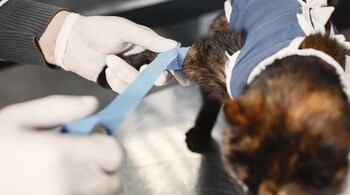
The possibility of your beloved four-legged friend undergoing surgery can evoke a host of emotions and concerns. Whether your pet is due for a routine procedure like spaying or neutering that is elective and controlled or a more complex surgery due to some underlying condition or concern, witnessing your furry friend go through this experience can be daunting.
Emphasizing the significance of diligent aftercare in your pet's healing journey, Dr. Thomas Heathcote, Chief Veterinary Officer at the Small Animal Hospital, shares insights into six essential aspects to ease your furry friend’s recovery:
1. Pre-op prep: Getting your pet ready for surgery
Whether your pet is undergoing a routine procedure like spaying or neutering, or a more complex surgery or emergency intervention, each requires its own tailored preparation - no two surgeries are the same! For instance, certain surgeries may involve fasting or adjusting medication schedules. Some surgeries such as facial or oral surgeries may necessitate pre-operative dental cleaning, other surgeries will require blood samples a few days in advance, while emergency surgeries demand rapid stabilization and vital sign assessment. So, start off by scheduling an appointment with your veterinarian to discuss your pet's specific needs and requirements. Understanding these nuances and working closely with your veterinarian will ensure that your pet is well-prepared for their surgical journey, setting the stage for a smooth and successful recovery.
2. No licks, just love: Ensuring proper incision care to avoid infections
To keep the risk of infections at bay and promote timely healing, daily incision monitoring is necessary especially during the first two critical weeks for recovery following a surgery. Close monitoring twice a day in a well-lit area can help you watch out for any changes in colour, oozing, missing stitches or puckering of the scar – this will help you detect early infection or irritation. Even if the sutures are hidden within the skin still examine the area since these can also break down or become infected.
With all surgeries, watch out for licking or scratching. Animals only tend to lick or scratch at painful or irritating scars - this shouldn’t be the case. Equally a pet’s mouth isn’t clean so the act of licking a surgical site can cause infection which can lead to your pet needing another surgery! To ensure that this doesn't happen, you may consider using an Elizabethan collar or other protective measures such as bodysuits or bitter-tasting sprays to keep your pet from interfering with the treated area.
3. Paws and play: Putting a pause on movement for adequate rest and recovery
Ensuring your furry buddy has a peaceful retreat to rest and recover without risking damage to the surgical wounds is essential. Set up a cozy spot with soft bedding and a playgate or a fence in a quiet environment, ensuring a supervised area with convenient access to food, water, and their toileting area, while also allowing room for movement as recommended by your vet. To provide an extra dose of comfort, consider using pheromone diffusers or sprays such as Adaptil or Feliway to reduce stress. Playing soothing music can also promote relaxation, supporting their speedy recovery.
Consult your veterinarian for specific post-operative exercise instructions tailored to your pet's orthopedic surgery. Requirements vary; some surgeries necessitate strict rest for up to 8 weeks, while others may allow gentle activity the day after.
4. Keeping their spirits up with easy games and treats
A healthy mind is half the battle won when it comes to your pet’s healing journey. While it's important to ensure they get plenty of rest, gentle activities can be of great help in keeping their minds engaged and spirits high during this critical period of recovery. Simple, low activity games like a round of the cup game with treats under one cup for your pet to discover or a round around the neighborhood in a stroller can provide mental stimulation without putting strain on your pet’s healing body. Additionally, incorporating interactive feeder toys for stationary playtime or offering limited treats as rewards for good behavior can help maintain their appetite, excitement, and promote overall well-being. But every surgery is different – so just be sure to consult with your veterinarian to ensure that your choice of activities and treats are safe and appropriate for your pet's post-surgery condition.
5. Assessing the need for specialized services and rehab
Depending on the kind of surgery and any other medical conditions your pet may have there may be a need for special medical management in this period. Quite often diabetic animals or animals with heart disease need a short term alteration to their medication routine to overcome the initial recovery period. Your vet may also want you to introduce new medications for a short period to ensure the best surgical outcomes.
Your vet may suggest physiotherapies to speed up your pet's recovery from surgery, aiming for a quick return to normal life. Discuss options with your vet for the best outcome.
6. Listen to the doc: Understanding & implementing post-surgery advice
After the surgery, your vet may share advice on how to go about providing the best possible care for your pet once they leave the facility. As their pet parent, the responsibility to administer the vet’s advice lies on your shoulders. This is why clear communication with your veterinarian is key – Take the time to ask questions about medications, activity restrictions, and signs of potential complications during the recovery process and grasp all aspects of the guidance provided, empowering you to facilitate your pet's smooth and speedy recovery journey. Ask lots of questions to be sure that there can’t be any misunderstandings - and don’t make any assumptions based on previous surgeries! Remember good animal care is about teamwork and the vet and pet parent need to work together to get a great outcome for every animal.
Discover the latest Business News, Sensex, and Nifty updates. Obtain Personal Finance insights, tax queries, and expert opinions on Moneycontrol or download the Moneycontrol App to stay updated!





