

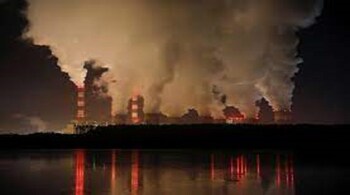
Even as it advocates the cause of a reliable, sustainable and just clean energy transition worldwide, India should take the initiative in ensuring that any decisions taken at COP28 on phasing down the use of fossil fuels are based on pragmatism and factor in the reality that developing countries would not be able to transition at the same pace as the developed world. More than 83 percent of the world’s 8-billion population resides in developing countries. This figure is projected to rise to 86 percent by 2050. The International Energy Agency (IEA) states that “coal still supplies just over a third of global electricity generation” and that coal “will continue to play a crucial role in iron and steel production until newer technologies are available” even as it gets gradually replaced for use in power generation.
As an ardent advocate of the Global South, India should make its voice heard stronger than ever at the global climate summit in Dubai on how it is important that developing countries are provided greater latitude on the matter of phasing down fossil fuel usage so that they can use the additional time to develop their capacity of alternative fuels. India should also drive home the point about the need for developing nations not to be saddled with commitments on this front that could pose a hurdle for these countries in becoming energy secure, achieving rapid and inclusive growth and being able to promote the economic security of their people.
Against Principles of Natural Justice
India, moreover, should harp on the fact that setting the same timeline for both developed and developing nations within which they need to phase down, if not completely phase out, the use of fossil fuels, on the lines of a one-size-fits-all strategy, would go against the principles of natural justice considering the resource constraints faced by developing countries. By highlighting that in the case of developing countries, the biggest roadblock in being able to vigorously pursue efforts to fast-track a sustainable, just, equitable and affordable transition to renewables is the unavailability of the required finances for this task and not a lack of will on the part of these nations to play their part in the global fight against climate change.
The G20 New Delhi Leaders’ Declaration had noted the world’s requirement of $4 trillion per year for clean energy technologies by 2030 “to reach net zero emissions by 2050”.
At COP28, India should also make it its priority to hold a mirror to rich countries that resort to any form of grandstanding on the issue of renewables despite themselves continuing to provide fossil fuel support in their own regions. The recently-released BloombergNEF’s Climate Policy Factbook: COP28 Edition said that support for fossil fuels provided by G20 members “rocketed up to $1.3 trillion in 2022 — more than doubling from the previous year”. On India, the report said that the country provides the least fossil fuel support among G20 members, “with the majority comprising expenditure by state-owned enterprises”.
Despite the many developmental challenges that it faces as the world’s most populous nation, India has committed to meeting 50 percent of the country’s electricity requirements from renewable energy by 2030 to showcase its own commitment to the cause of clean energy. As of October 31, 2023, renewable energy sources (including hydro) had a 42.1 percent share of India’s total installed generation capacity. If nuclear was to be added to the mix, non-fossil fuels (renewable energy sources and nuclear) had a 43.8 percent share of India’s total installed generation capacity. At 48.6 percent, coal had the biggest share of installed generation capacity in the fossil fuel category.
Sumali Moitra is a current affairs commentator. Twitter: @sumalimoitra. Views are personal, and do not represent the stand of this publication.
Discover the latest Business News, Sensex, and Nifty updates. Obtain Personal Finance insights, tax queries, and expert opinions on Moneycontrol or download the Moneycontrol App to stay updated!





