

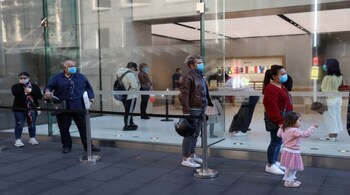
Colorado and Arkansas on July 16 joined a growing list of states in the United States of American that require face coverings in public places to combat a surge in coronavirus infections, after Georgia's governor moved the other way and barred such measures from being imposed at the local level.
The conflicting directives over face coverings came as the US reported at least 75,000 new COVID-19 cases nationwide on July 16, a record daily jump in known infections for the seventh time this month, according to a Reuters tally.
With announcements from Colorado Governor Jared Polis, a Democrat, and Arkansas Governor Asa Hutchinson, a Republican, a majority of states - 26 out of 50 - have now sided with public health experts urging that face masks be mandatory, rather than a matter of personal choice.
Bucking the trend, Georgia's Republican governor, Brian Kemp, issued an executive order late on Wednesday suspending local face-mask regulations while saying residents were "strongly encouraged" to wear them.
Kemp, one of the first governors to ease statewide stay-at-home orders and business closures following the early stages of the U.S. outbreak, suggested that mandating masks would be too restrictive.
After Mayor Keisha Lance Bottoms of Atlanta, Georgia's capital and largest city, said she planned to defy Kemp's order and enforce a mandatory mask ordinance she issued on July 8, Kemp filed suit on Thursday to override her.
"This lawsuit is on behalf of the Atlanta business owners and their hardworking employees who are struggling to survive during these difficult times," Kemp said in a statement. "I refuse to sit back and watch as disastrous policies threaten the lives and livelihoods of our citizens."
Hours earlier, Bottoms, who tested positive for the virus herself last week and is under quarantine, declared the city's mask requirements "enforceable as they stand."
Savannah Mayor Van Johnson, who issued a mask mandate in his Georgia city on July 1, said on Twitter that Kemp's order demonstrated he "does not give a damn about us."
The clash drew mixed reactions from local residents.
"We need to wear masks to stop the spread," said Ethan Padgett, 37, a furloughed art museum worker, as he spoke through his face covering outside an East Atlanta Village coffee shop. "So many people aren't following this day-to-day but are taking their cues from our leaders. If the governor takes it more seriously, people will."
But Pat Walker, 54, who was also wearing a mask, said the governor was just encouraging people to do the right thing.
"People should have a choice but choose wisely," she said.
Discover the latest Business News, Sensex, and Nifty updates. Obtain Personal Finance insights, tax queries, and expert opinions on Moneycontrol or download the Moneycontrol App to stay updated!





