

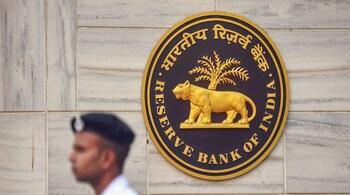
Most mutual funds may fail to take advantage of the liquidity window provided by the Reserve Bank of India (RBI) as many credit risk schemes are low on top-rated papers - offloaded due to redemption pressure from the coronavirus pandemic, The Economic Times reported.
To avail the Rs 50,000 crore liquidity window till May 11, set up for the mutual fund (MF) sector by the RBI, funds will be allowed to borrow against investment grade credit risk schemes.
Industry officials, however, are concerned this may not be enough as banks may be unwilling to accept the majority of the low-rated securities as collateral, especially since the period of holding is short – only till May 11, they told the paper.
Follow our LIVE Updates on the coronavirus pandemic here
RBI’s liquidity window came after Franklin Templeton had closed six funds citing financial crunch due to the COVID-19 situation.
“I don’t see banks taking lower-rated corporate debt as collateral, which have been lacking in liquidity. If we see heavy redemption in schemes which carry large exposure to lower-rated corporate debt, liquidity will remain a problem,” Arvind Chari, head — fixed income, Quantum Advisors, told ET.
An advantage, however, is that MFs can raise money by pledging their papers, rather than selling them. MF credit risk schemes held by banks are also more attractive. “AMCs which are backed by banks will not have much of a problem unless the quality of paper is bad. The parent will buy it through the TLTRO route,” said the chief investment officer of a wealth management firm.
Discover the latest Business News, Sensex, and Nifty updates. Obtain Personal Finance insights, tax queries, and expert opinions on Moneycontrol or download the Moneycontrol App to stay updated!





