

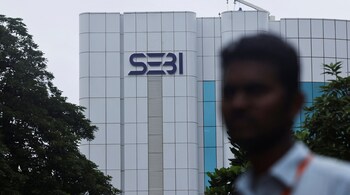
The case of Kairosoft AI Solutions was heard in Delhi High Court today where Kapil Sibal, arguing for Kairosoft, opposed the actions of BSE and SEBI. Sibal argued that the YouTube content on the basis of which company shares were put under GSM 4 were unrelated to the promoters. He also said that the subscriber and viewership of the videos was not significant enough to warrant such action from exchange and regulator. Sibal further added that suitable action from company was initiated promptly, including lodging cyber complaint against originator of such YouTube videos. Subsequent to that, from April 9, the videos were not available. During the hearing, the question of territorial jurisdiction and statutory backing of exchange circulars came up. BSE and SEBI are likely to respond on the same during the hearing. The matter will be heard on Monday again in the court of Justice Vikas Mahajan.
This is a case that could have implications for how surveillance measures are imposed and challenged in India’s capital markets. The legal battle centres on BSE’s April 3 circular that placed Kairosoft under Graded Surveillance Measure (GSM) Stage 4 — a regulatory tool aimed at curbing excessive stock price movement not supported by fundamentals. Kairosoft is seeking to set aside the move, arguing that it was imposed abruptly and without prior notice.
In its petition, the company objected to being directly moved to GSM Stage 4, bypassing the earlier stages of the framework. The company claimed that the decision was driven by “unverified chatter” and YouTube videos posted by unknown individuals speculating on the stock’s rally. Kairosoft has denied any association with the individuals behind the videos and contended that its stock was penalized based on third-party actions beyond its control.
The firm also highlighted that the GSM tag has severely impacted liquidity and investor sentiment, as GSM Stage 4 entails strict trading curbs. Stocks under this category are moved to a Trade-for-Trade segment, limited to trading only on Mondays, with a 5% price band and an Additional Surveillance Deposit (ASD) of 100% of the trade value.
Kairosoft has challenged not just the classification but also the lack of transparency in the decision-making process by the exchange and regulator. It has questioned the rationale behind the move and the absence of any opportunity for the company to respond before punitive action was taken.
GSM, along with the Additional Surveillance Measure (ASM), is used by exchanges and SEBI to curb manipulation in illiquid or volatile stocks. In recent years, the regulator has intensified its crackdown on pump-and-dump schemes and has passed multiple orders against operators accused of misleading investors.
The outcome of the hearing could have implications for how exchanges implement surveillance measures and the due process surrounding them.
Discover the latest Business News, Sensex, and Nifty updates. Obtain Personal Finance insights, tax queries, and expert opinions on Moneycontrol or download the Moneycontrol App to stay updated!





