

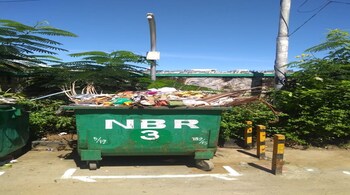
An Indian Institute of Technology (IIT), Madras incubated startup --Antariksh Waste Ventures -- has developed an Internet of Things (IoT) enabled ‘smart bin’ to prevent spread of novel coronavirus, or COVID-19, through trash disposal containers.
The product ‘AirBin’ is aimed at remotely monitoring waste levels and generates alerts for expeditious disposal through smartphone applications and can be retrofitted into existing bins as well. The company said in a statement that AirBin would be useful at contagion vulnerable points (CVPs) like hospitals, clinics, public bins and quarantine zones.
The objective is to help rural and urban local bodies clear every bin before it overflows and to accelerate sustainability. The company said the product is on track to hit the market in around five months. The cost details have not yet been shared.
Antariksh aims to supply first 200 AirBin devices across India in next few months, with long-term plans to deliver 100,000 units to 100 smart cities in India.
Also Read: Live updates on COVID-19 pandemic in India
Mahek Mahendra Shah, Founder of Antariksh Waste Ventures said, “From waste collection, transport, segregation, disposal to recycling, every process needs to be overhauled quickly and technology will play a vital role in this transformation. Timely cleaning of bins will be a key priority while faced with shortage of labour.”
This digital waste management system can generate alerts to sanitation teams at regular intervals on fill levels and on-demand clearance requests from end-users for faster disposal of contagious waste. Antariksh Waste Ventures is supported by the IIT Madras Incubation Cell.
In the case of COVID-19, hazardous waste is being generated in hospitals, quarantine zones or red zone areas within cities. This waste is categorised as bio-medical waste since it is a potential source of COVID-19. These include including gloves, masks, food containers, clothes, tissues, cotton balls, among others.
AirBin Smart Bin Systems aims to remotely monitor waste levels in bins, plan and improve waste management, get automated cumulative reports of waste clearances and estimated waste generated by categories of wastes, locations, priority, among others. It will also help update concerned sanitation teams with status of bin levels periodically.
Only 28 percent of the waste generated in India is recycled and various studies found that the waste generated in the country was doubling every five years.
Follow our full coverage of the coronavirus pandemic here.
Discover the latest Business News, Sensex, and Nifty updates. Obtain Personal Finance insights, tax queries, and expert opinions on Moneycontrol or download the Moneycontrol App to stay updated!





