

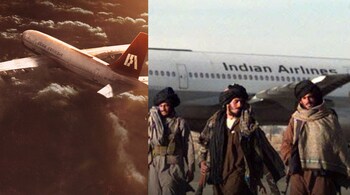
The hijacking of Indian Airlines Flight IC-814, also known as the Kandahar hijacking, remains one of the most traumatic and intense episodes in aviation history. The event, which occurred in December 1999, gripped the world's attention and highlighted significant loopholes in global aviation security.
Background
On December 24, 1999, Indian Airlines Flight IC-814, en route from Kathmandu to Delhi, was hijacked by five terrorists affiliated with the extremist group Harkat-ul-Mujahideen. The flight, carrying 178 passengers and 11 crew members, was taken over shortly after takeoff. The hijackers, armed with knives and other weapons, threatened the lives of everyone on board.
Trailer of the upcoming film IC 814 Kandahar Hijack
Sequence of Events
Initial Hijacking:
Shortly after the flight took off from Kathmandu, the hijackers seized control of the aircraft. They brandished knives and made it clear that they were ready to kill anyone who resisted. The passengers and crew were immediately thrust into a terrifying ordeal.
Diversion of Flight:
The hijackers forced the aircraft to divert from its intended route. The plane was first directed to Amritsar in India, where it landed briefly. However, the plane was not allowed to stay long due to the Indian authorities' decision not to fuel the aircraft. This led to the hijackers ordering the plane to fly to Lahore, Pakistan. After being denied permission to land in Lahore initially, the aircraft finally touched down after its fuel levels reached critical levels.
International Involvement:
The aircraft's journey did not end in Lahore. The hijackers then directed the flight towards Dubai, where some of the passengers were released. Finally, the plane was taken to Kandahar, Afghanistan, which was then under the Taliban rule then.
Hostage Negotiations:
In Kandahar, the real ordeal began. The Indian government was faced with an incredibly complex situation. The hijackers demanded the release of three terrorists in Indian custody, including Maulana Masood Azhar, the founder of Jaish-e-Mohammed. The lives of the passengers hung in the balance as the Indian government deliberated on how to respond.
Hostages’ Ordeal:
The passengers and crew members of IC-814 endured eight harrowing days as hostages. They faced psychological and physical trauma, uncertain of whether they would make it out alive. The hijackers used various tactics to maintain control, including threatening to kill passengers if their demands were not met.
Government's Decision:
The Indian government, after much internal debate and international pressure, decided to comply with the hijackers' demands. The decision was made to save the lives of the passengers, though it meant releasing dangerous terrorists. The government’s move was heavily criticized, but it was deemed necessary given the circumstances.
Release and Aftermath:
After the Indian government agreed to release the three terrorists, the hijackers let the passengers and crew go. The hostages were released on December 31, 1999, marking the end of their week-long nightmare. The terrorists were allowed to leave Kandahar, and the plane, along with its passengers, returned to India.
Impact
The Kandahar hijacking exposed significant weaknesses in global aviation security and led to widespread changes in anti-hijacking measures. The incident prompted a reevaluation of security protocols at airports and on airplanes, with governments around the world taking steps to enhance their capabilities to prevent such incidents in the future.
The hijacking also had a profound impact on the families of the hostages and the Indian public. The psychological trauma experienced by the passengers and their loved ones was immense. Many of those involved in the hijacking have since shared their stories, revealing the deep scars left by the ordeal.
Turning point in fight against terrorism
The IC-814 hijacking is often cited as a turning point in the fight against terrorism. The release of Maulana Masood Azhar, in particular, had far-reaching consequences, as he went on to found Jaish-e-Mohammed, a group responsible for numerous terrorist attacks in the years that followed.
The incident also highlighted the difficult choices governments face when dealing with terrorist demands. The decision to release the terrorists in exchange for the hostages’ lives remains a controversial topic in India, with many questioning whether it was the right course of action.
Discover the latest Business News, Sensex, and Nifty updates. Obtain Personal Finance insights, tax queries, and expert opinions on Moneycontrol or download the Moneycontrol App to stay updated!





