

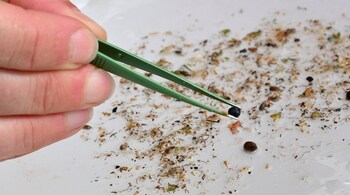
Tiny plastic particles — from the air we breathe to the food we eat — are now a permanent part of our environment and, increasingly, our bodies. Known as microplastics and nanoplastics, these fragments are the byproducts of our global dependence on plastic, and scientists are racing to understand their long-term health impact, the New York Times reported.
“We’re exposed,” said Richard Thompson, the marine biologist who coined the term “microplastics” in 2004. “The air we breathe, the water we drink, the food we eat — it’s in it.”
What exactly are microplastics and where do they come from?
Microplastics are generally defined as plastic particles smaller than 5 millimetres in length, while nanoplastics are less than 1 micrometer and more likely to infiltrate blood and tissues. They mostly originate from the breakdown of larger plastic items — like packaging, bags, bottles, and synthetic fabrics — through exposure to sunlight, friction, and heat.
Construction materials, agricultural plastics, and even car tires generate microplastics. Food packaging and cigarette filters contribute to widespread environmental contamination. These plastics then disperse through air, soil, and water — entering the human body through inhalation, ingestion, and, potentially, absorption through the skin.
How do microplastics enter our bodies?
From the moment we breathe in dust to the meals we prepare, microplastics make their way inside us. Wear from synthetic clothes, particles from processed food packaging, and plastic-laden fertilizers all contribute. Microplastics are not just an ocean issue — they are now embedded in urban environments, agricultural systems, and homes.
Some studies show plants can absorb microplastics from the soil, which means vegetables might also contain trace amounts. Meanwhile, processed and packaged foods tend to contain more microplastics due to contact with machinery and packaging materials. Synthetic fibres in clothes shed microplastics as we move, while cosmetics and personal care products can contain particles small enough to be absorbed through the skin.
What are the health risks?
While it’s still early days in understanding human effects, animal studies point to risks such as impaired lung and gut function, weakened immune responses, and reproductive issues like reduced sperm quality. Studies in tadpoles suggest a majority of ingested plastics are excreted — but the remaining particles can migrate to organs like the liver and brain.
In humans, early research has found associations between microplastics and inflammation, preterm births, and cardiovascular problems. Some of the chemicals embedded in plastics — such as PFAS, bisphenol A (BPA), and phthalates — are already known to be endocrine disruptors or potential carcinogens.
Can we reduce our exposure?
Avoiding all plastic exposure is impossible — but certain steps may help. Experts recommend drinking less from plastic bottles, especially those left in heat or sunlight, and avoiding heating food in plastic containers. Switching to glass or stainless steel for storage, and choosing fresh over packaged foods, can make a difference.
Vacuuming regularly, using HEPA air filters, and wiping surfaces with a wet cloth can help limit airborne plastic particles at home. Wearing natural fibre clothing like cotton or wool instead of synthetics reduces exposure, and pre-washing new synthetic garments can remove excess particles — though it does send some plastics into wastewater.
Why systemic change matters
Despite helpful individual steps, experts emphasise that this issue goes far beyond personal choices. “It shouldn’t all be on the consumer,” said environmental scientist Christy Tyler. “We need regulation to reduce nonessential plastics.”
Some progress is already underway: microbeads in cosmetics are banned in the U.S. and Europe, several US states are phasing out Styrofoam, and more than 170 countries have signed on to negotiate a global treaty to end plastic pollution.
“We’ve come a long way in 20 years,” said Thompson. “There’s now a public appetite for change — and that’s what gives me hope.”
Discover the latest Business News, Sensex, and Nifty updates. Obtain Personal Finance insights, tax queries, and expert opinions on Moneycontrol or download the Moneycontrol App to stay updated!





