How to use Android Emergency Location Service (ELS) in India: Step-by-step guide
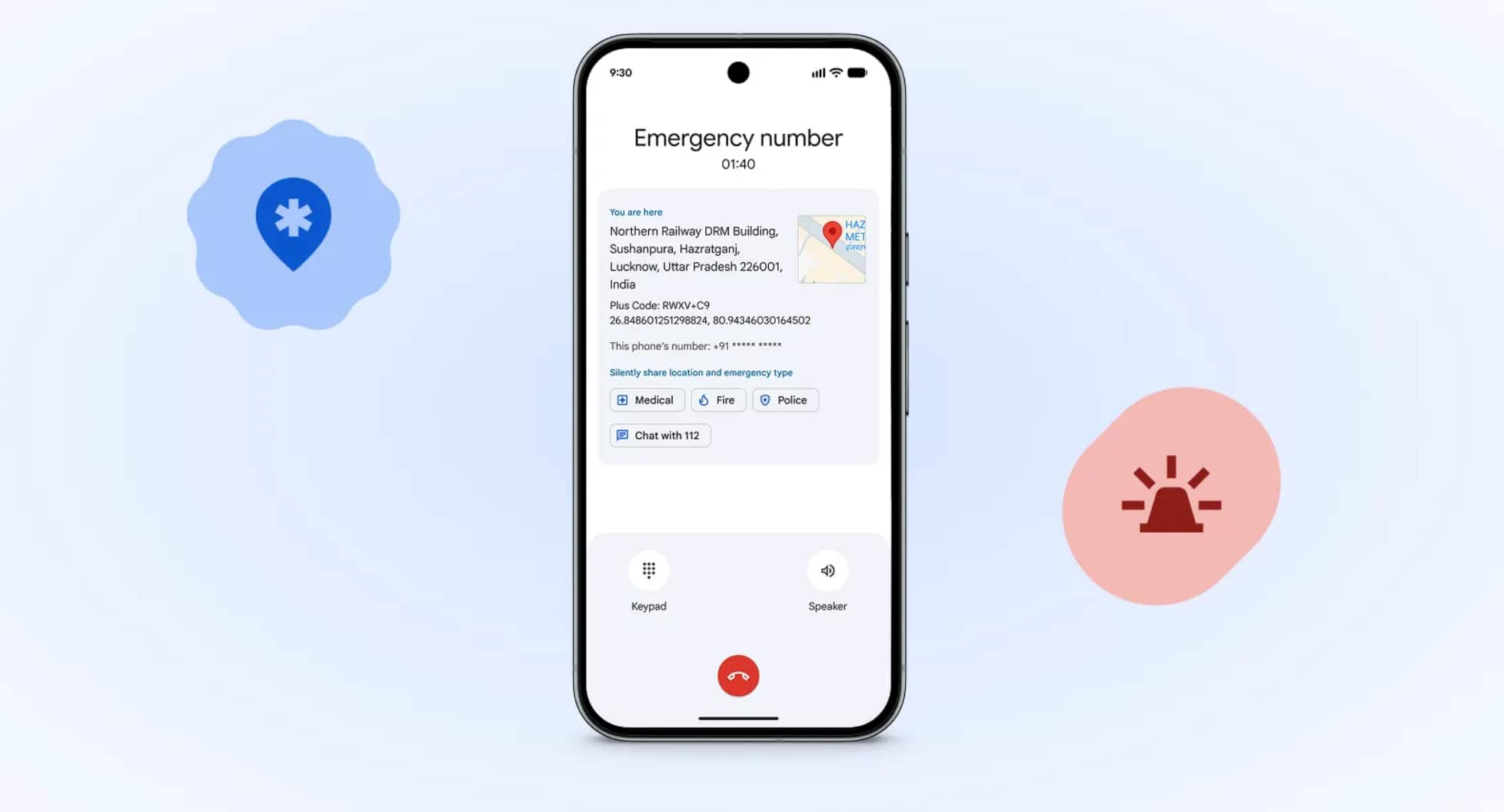
Android’s Emergency Location Service (ELS) has been activated in India, starting with Uttar Pradesh. The feature automatically shares a caller’s precise location with emergency services during distress calls or messages. Here’s a clear how-to guide explaining how ELS works, how to use it, and what users should know.
Check if your Android phone supports ELS ELS is available on Android smartphones running Android 6.0 or newer. Most modern Android phones already meet this requirement. Users do not need to install or enable any separate app, as the feature is built into the Android system.
Understand when ELS activates ELS activates only during emergencies. When you dial 112 or another supported emergency number, the system automatically sends your location to emergency responders. The service also works if you contact emergency services via SMS, where supported.
How location sharing works during an emergency Once an emergency call or message is placed, ELS uses data from GPS, Wi-Fi, and cellular networks to determine your location. The information is sent directly from your phone to emergency services, often with accuracy within 50 metres, even if the call drops shortly after connecting.
What information is shared with emergency services Along with your location, ELS may also share limited contextual details such as device language to help responders assist faster. The information is sent only to authorised emergency service providers and is used to dispatch police, medical, or fire services.
Privacy and data safety explained ELS is designed with privacy safeguards. Google does not collect or store the location data shared during an emergency. The location is transmitted directly from the user’s handset to emergency services and is shared only at the time of an emergency call or message.
What users in India should know right now ELS is currently operational in Uttar Pradesh, integrated with the 112 emergency service. Support is expected to expand to other states as local emergency infrastructure adopts the system. Users do not need to take any action to enable ELS, but keeping location services turned on can help ensure accurate results during emergencies.