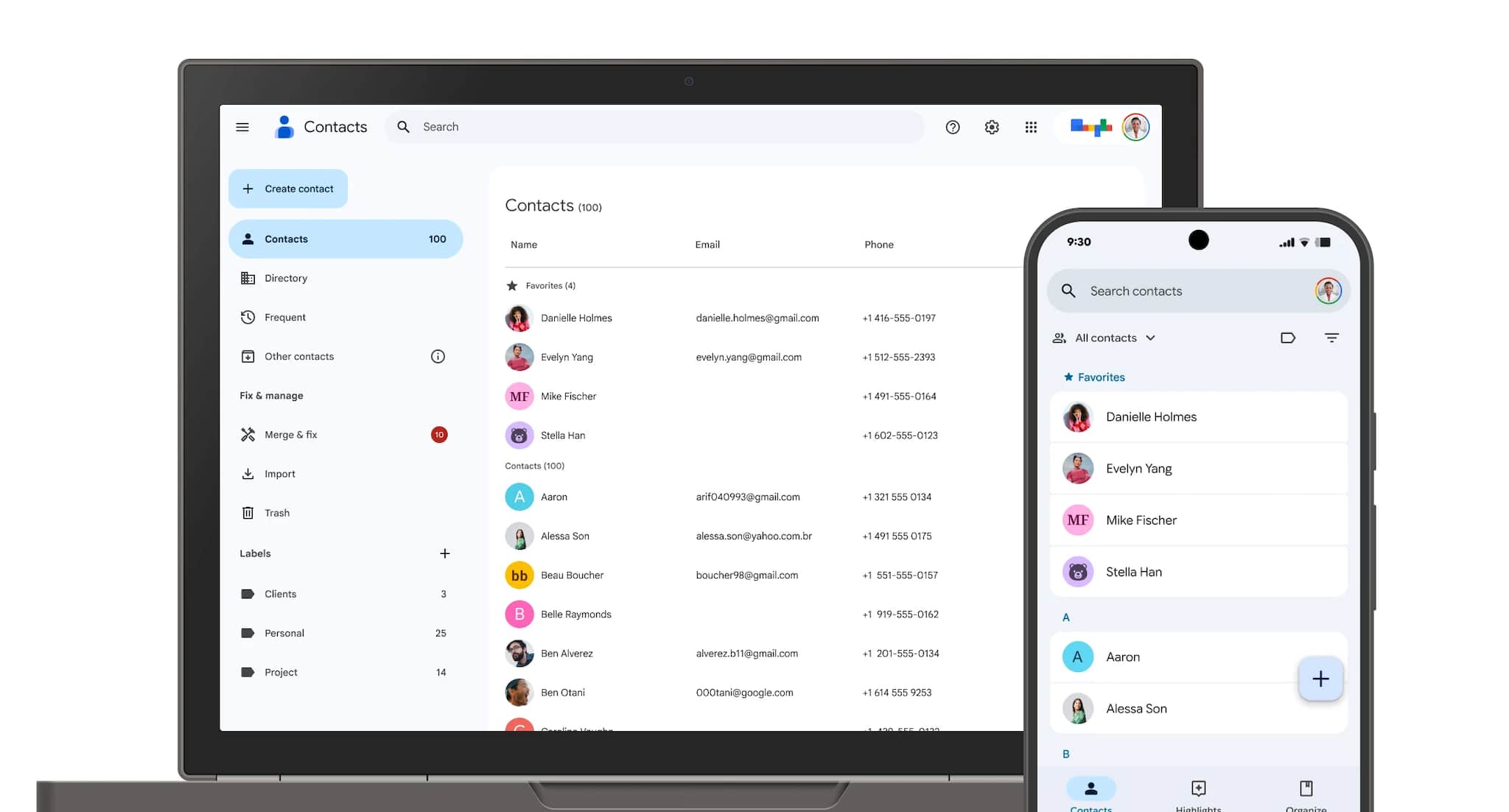
Google may add an iPhone-style Contact Poster feature to Android- Details
Google is developing a new contact-sharing feature for Android that mirrors Apple’s Contact Poster and NameDrop. Early code references suggest NFC-based exchange, customisable sharing options and a smoother way for users to share personal details.
Google Prepares Its Own Version of Contact Posters Android and iOS often influence each other, and this time Google appears ready to borrow from Apple. New evidence shows Google is building a feature similar to Apple’s Contact Poster for easier and faster contact sharing.
Feature Discovered in Android Code A report from Android Authority reveals references to “Gesture Exchange,” along with internal elements like “ContactExchangeActivity” and “ndef,” which stands for NFC Data Exchange Format. These clues signal that Google is actively developing an NFC-based contact-sharing system.
How It Works on iPhone Today Apple’s Contact Poster lets two iPhones exchange contact cards by bringing them close together. It behaves much like AirDrop, sending names, photos and contact details instantly. Google’s approach is expected to mimic this experience for Android users.
Customisable Sharing Options for Privacy In Google’s version, users will reportedly be able to decide which information to share. Options may include a profile photo, phone number or email. Those who prefer privacy can choose “Receive Only,” avoiding the sharing of personal data entirely.
Receivers Will See On the receiving end, Android users will view only the information the sender approves. The interface is expected to provide a simple prompt to save the received details as a new contact entry, making the process straightforward and secure.
Still Under Development Google’s feature is still in the works, and there is no confirmed rollout date. Based on the code, it is likely to appear in a future Android update once the system is finalised and tested. Still Under Development Google’s feature is still in the works, and there is no confirmed rollout date. Based on the code, it is likely to appear in a future Android update once the system is finalised and tested.
Read the latest and trending tech news—stay updated on AI, gadgets, cybersecurity, software updates, smartphones, blockchain, space tech, and the future of innovation.