

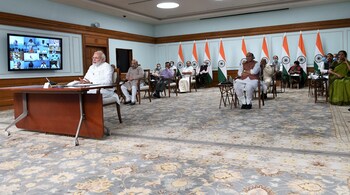
The government is expanding the health infrastructure needed to treat COVID-19 patients at a fast pace, Prime Minister Narendra Modi said, while announcing the extension of lockdown till May 3.
The PM announced the extension of the nationwide lockdown in a televised address to the nation on April 14.
According to the world's experience of tackling the novel coronavirus, 1500-1600 beds are needed when cases reach 10,000, the prime minister said in his speech.
India reported 10,453 COVID-19 confirmed cases and 358 deaths so far.
"We have over 1 lakh beds in India and over 600 hospitals treating COVID patients exclusively. These facilities are being added upon every day," the prime minister said.
On testing, the PM said the COVID-19 tests are being done in over 220 labs in both government and private sectors.
Modi requested young scientists to come forth and help in creating coronavirus vaccine.
The prime minister also said there is no shortage of medicines and ration supplies. The supply chain issues have been sorted out.
Reminding the country about the steps taken by the government, Modi said even before one case of COVID-19 occurred, India started screening passengers from countries affected by the virus, and when cases touched 100, the country made it compulsory for foreign returnees to remain in
14-day isolation. A 21-day lockdown was declared when the number of cases reached 550.
"We have taken quick decisions to contain the disease," the PM said, adding that social distancing and lockdown have helped in containment efforts.
Discover the latest Business News, Sensex, and Nifty updates. Obtain Personal Finance insights, tax queries, and expert opinions on Moneycontrol or download the Moneycontrol App to stay updated!





