

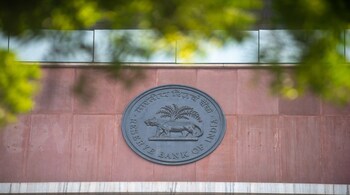
The Monetary Policy Committee (MPC) of the Reserve Bank of India (RBI) will announce its verdict after a three-day meet on February 10. The rate setting panel is widely expected to increase the reverse repo rate or the rate at which the central bank borrows short-term deposits from banks by at least 25 basis points. One bps is one hundredth of a percentage point.
Along with this, the MPC is likely to change the policy stance to ‘neutral’ from ‘accommodative’, according to analysts.
The rate setting panel indicates its broader policy approach by guiding the markets with policy stances. Let's try to understand what are those terms and what do each of these stances convey.
‘Accommodative’
An accommodative stance means the central bank is prepared to expand the money supply to boost economic growth. The central bank, during an accommodative policy period, is willing to cut the interest rates. A rate hike is ruled out. The Reserve Bank of India (RBI) has been on an accommodative stance for the last two years to support the economy during the COVID-19 crisis. The central bank typically adopts an accommodative policy when growth needs policy support and inflation is not the immediate concern.
‘Neutral’
A ‘neutral stance’ suggests that the central bank can either cut rate or increase rate. This stance is typically adopted when the policy priority is equal on both inflation and growth. During neutral policy, the central bank doesn’t commit to hike rates or cut. The interest rate can move to either sides depending on incoming data. The guidance indicates that the market can expect a rate action on either way at any point.
‘Hawkish’
A hawkish stance indicates that the central bank’s top priority is to keep the inflation low. During such a phase, the central bank is willing to hike interest rates to curb money supply and thus reduce the demand. A hawkish policy also indicates tight monetary policy. A rate cut is nearly certain during such a period. When the central bank increases rates or 'tighten' the monetary policy, banks too increase their rate of interest on loans to end borrowers which, in turn, curbs demand in the financial system.
‘Calibrated tightening’
Yet another term, the central bank uses often is calibrated tightening. Calibrated tightening means during the current rate cycle, a cut in the repo rate is off the table. But, the rate hike will happen in a calibrated manner. This means the central bank may not go for a rate increase in every policy meeting but the overall policy stance is tilted towards a rate hike. This can happen outside the policy meetings as well if the situation warrants.
Discover the latest Business News, Sensex, and Nifty updates. Obtain Personal Finance insights, tax queries, and expert opinions on Moneycontrol or download the Moneycontrol App to stay updated!






