

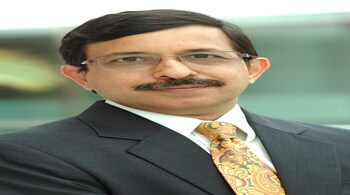
By Dharmakirti Joshi
The Union Budget (20012-13) is being prepared against a backdrop of sharp slowdown in growth, fiscal slippage and persistently high inflation. The external environment too is extremely challenging, with weak growth in advanced economies and recession in Europe. In this scenario, we need a dynamic and credible budget that addresses the issues highlighted below.
Most importantly, I would expect the Budget to take steps to set the fiscal house in order. This would entail reduction in deficit and improved quality of expenditure (implies reduce consumption expenditure and increase investment expenditure). The fiscal deficit is expected to be at least 1% higher than the budgeted target of 4.6% of GDP in 2011-12 due to revenue shortfall and significant overshooting of subsidies.
Besides trimming the fiscal deficit in 2012-13, the budget should also lay out a credible roadmap to reduce the deficit gradually over the medium term. This can be achieved through raising additional taxes and lessening consumption expenditure.
The budget needs to take a tough stand and announce decisions to cut subsidies, which have been postponed until now, and rationalise petroleum pricing. These measures will play a crucial role in expenditure control. Otherwise, it will not be possible to create the fiscal space needed for spending to raise the productive capacity of the economy.
There is no denying that until and unless durable employment opportunities are created, it is essential to provide a safety net to the poor via schemes like MNREGA (Mahatma Gandhi National Rural Employment Gurantee Act). But while the MNREGA has given a significant push to rural wages, it has done little to raise production or productivity, specifically in agriculture. This has added to inflationary pressures. Since these wages are now indexed to inflation, it is imperative to also link them to productivity. The budget must initiate this measure and also lay out a mechanism for monitoring it.
The agriculture sector, which has remained insulated from the reform process thus far, is in dire need of a shot in the arm. This is evident from the fact that supply remains stagnant despite the sharp increase in food prices in the last few years. Clearly, favourable terms of trade are insufficient to improve production in agriculture. The government needs to make solid investments in agriculture and lessen its excessive dependence on credit to fire agricultural growth.
The budget is not a platform for launching reforms, and rightly so. But considering the prevailing drought of reforms and the urgent need to enhance business confidence, the budget can be used as an opportunity to signal that reforms are back on track. Announcements on Direct Tax Code (DTC), a tight deadline of Goods and Services Tax (GST) and steps to revive FDI in retail and APMC (Agricultural Produce Marketing Committees) Act amendment are some of the reforms I look forward to in the forthcoming budget. The author is the chief economist at the Crisil rating agency.
Discover the latest Business News, Sensex, and Nifty updates. Obtain Personal Finance insights, tax queries, and expert opinions on Moneycontrol or download the Moneycontrol App to stay updated!





