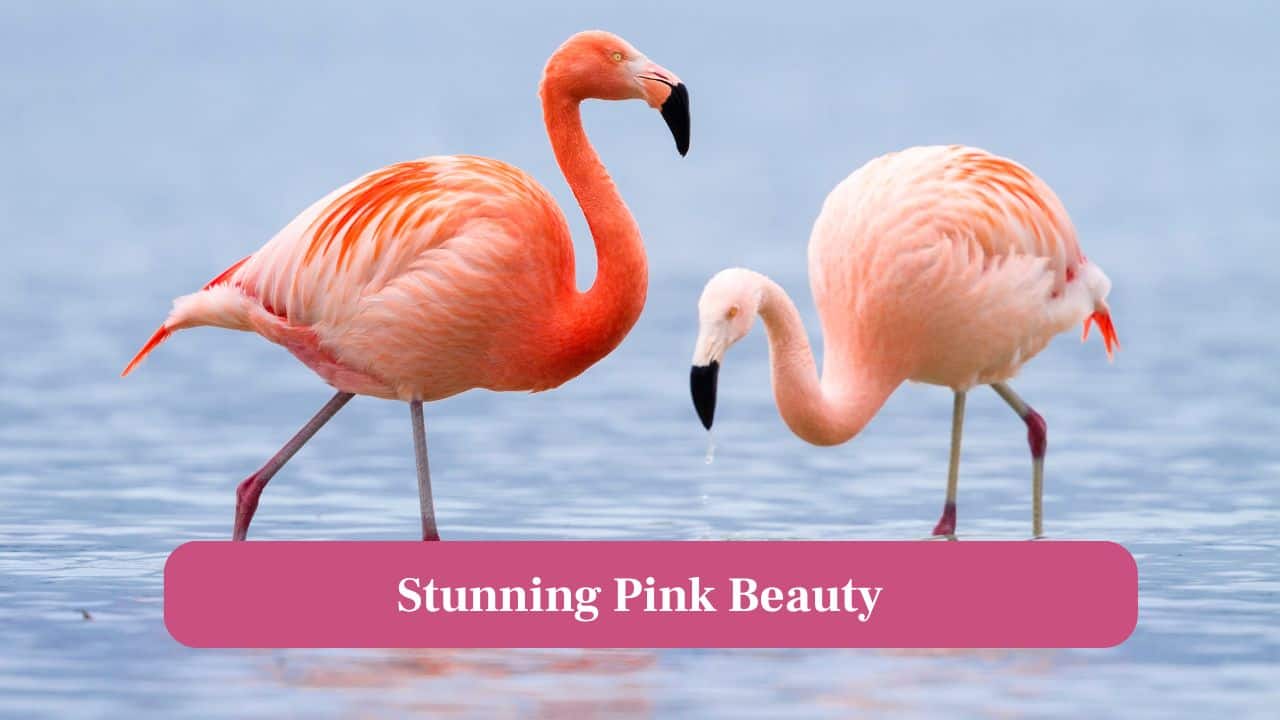
1. Stunning Pink Beauty: Flamingoes are bright pink in color which makes them instantly recognizable. They are found in shallow lakes worldwide. (Image: Canva)
2/10
2. Natural Habitat: These wading birds thrive in salty lakes, lagoons and wetlands rich in food sources. (Image: Canva)
3/10
3. Unique Diet: Flamingos eat algae, brine shrimp and crustaceans. These contain pigments called carotenoids. (Image: Canva)
4/10
4. Carotenoids Explained: Carotenoids are natural pigments that provide vibrant red, orange and pink colors in animals. (Image: Canva)
5/10
5. Digestive Transformation: Flamingos metabolize carotenoids in their liver, converting them into the pink pigment in feathers. (Image: Canva)
6/10
6. Juvenile Flamingos: Baby flamingos are gray or white, lacking carotenoids until they start eating pigment-rich foods. (Image: Canva)
7/10
7. Colour Intensity: Flamingo's pink intensity depends on diet. Their richer food creates deeper and more vivid hues. (Image: Canva)
8/10
8. Social Significance: Brighter feathers attract mates, signalling health and strength in flamingo social hierarchies. (Image: Canva)
9/10
9. Feather Maintenance: Flamingos preen regularly, redistributing oils to enhance feather coloration and waterproofing. (Image: Canva)
10/10
10. Environmental Influence: Water quality and food availability directly impact flamingo's pink shade and overall wellbeing. (Image: Canva)