10 Mysterious creatures from ancient texts explained by science
Discover ten legendary creatures from ancient writings, paired with scientific explanations revealing real animals, natural phenomena and cultural stories.
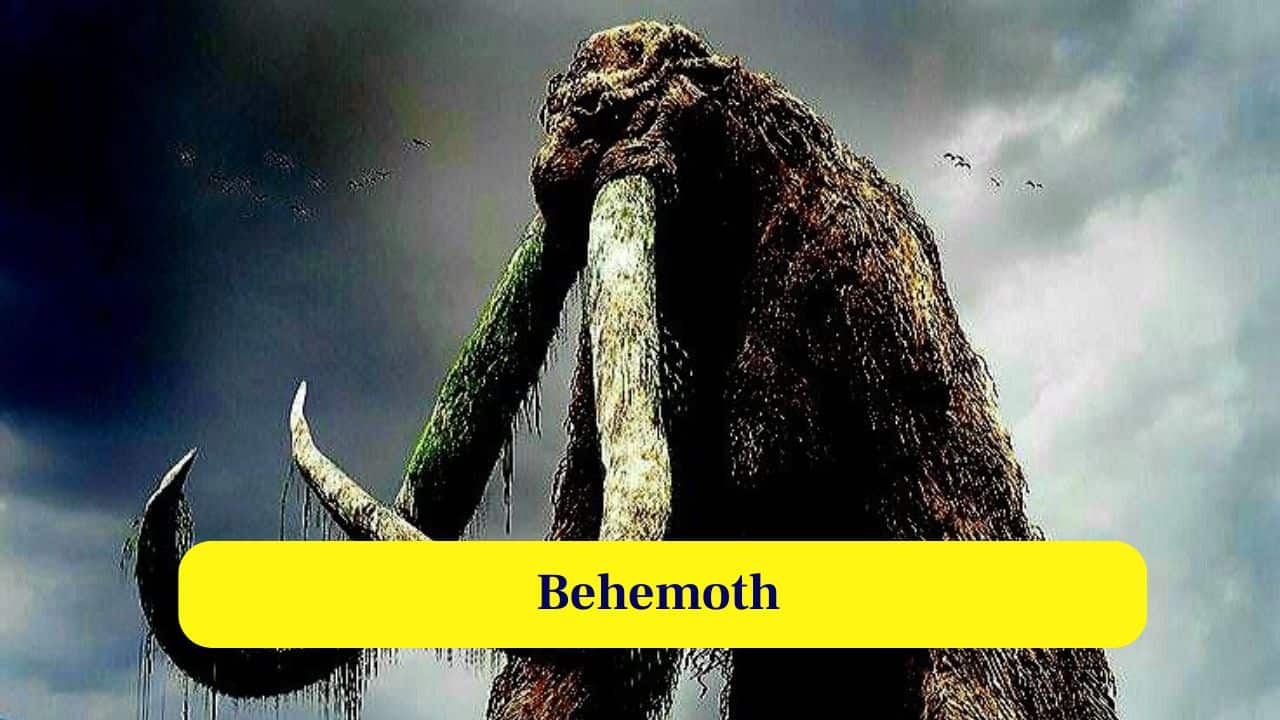
1. Behemoth: A gigantic, primeval beast in Job, described with iron‑bar bones, tail like a cedar tree, symbolizing God’s raw strength. (Image: Canva)
2/10
2. Leviathan: A monstrous sea serpent in Job and Psalms. It is scaly, fiery and untamable embodiment of chaos that only God can conquer (Image: Canva)
3/10
3. Tannin: Powerful sea‑monster or dragon‑serpent. Found in Hebrew it often symbolizes primeval evil or chaotic empires. (Image: Canva)
4/10
4. Rahab: A poetic biblical name sometimes linked with Leviathan. It represents ancient chaos and rebellious powers in Scripture. (Image: Canva)
5/10
5. Unicorn: A colossal, griffin‑like mythical bird in Jewish tradition, mentioned in fewer translations. It is mighty enough to block the sun. (Image: Canva)
6/10
6. Pygarg: Known from Leviticus, translated from Greek Septuagint. It perhaps refers to a white‑rumped antelope like the addax. (Image: Canva)
7/10
7. Wild Ox: The “wild ox” (reem) mentioned in prophecy; likely refers to a powerful, untamed bovine or ancient wild cattle species. (Image: Canva)
8/10
8. Timshemet: A mysterious creature in Leviticus whose identity is debated. It is possibly a bird, reptile, or mythical beast. (Image: Canva)
9/10
9. Hyena: Ancient texts use the hyena to symbolize heresy or unclean, mysterious creatures wandering desolate places under divine judgment. (Image: Canva)
10/10
10. Dragon: In some passages, the Hebrew tannin is translated as “dragon,” likely referring to large crocodilian beasts or symbolic evil. (Image: Canva)