

The Maharashtra assembly polls not only resulted in a humiliating defeat for the MVA alliance but have also threatened its very existence. The backstage acrimony between two of the three alliance partners, Shiv Sena and Congress, which prevailed before the elections, has now come to the fore. The blame game started shortly after the results were announced. The question now being asked in Maharashtra's political corridors is: Will the MVA survive until the upcoming BMC polls?
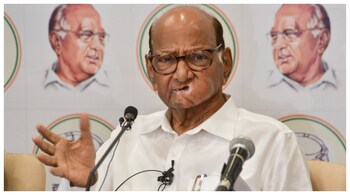
Although the MVA came into existence after the 2019 Maharashtra assembly elections, its idea germinated in the mind of the former undivided NCP chief, Sharad Pawar, five years earlier, in 2014. Pawar was keenly observing the acrimony between the BJP and the Shiv Sena before the 2014 elections, which ultimately led to the erstwhile alliance partners contesting elections separately. The BJP emerged as the single largest party but fell short of the majority figure. Sharad Pawar came to the BJP's rescue and asked NCP MLAs to abstain during the trust motion for Devendra Fadnavis' government. Pawar's move ensured the government's survival. Pawar later confessed that he had deliberately facilitated the formation of the BJP government to widen the chasm between the Shiv Sena and BJP. Shortly after, the Shiv Sena entered into a post-poll alliance with the BJP and joined the government.
Despite the Shiv Sena joining the BJP government, it acted like an opposition party. Editorials in its mouthpiece Saamna were critical of the BJP, and Shiv Sena leaders openly criticized their alliance partner. They made statements like, "We keep our resignations in our pocket." The hostility between the two parties reached its peak when they again decided to contest the 2017 BMC elections separately. Pawar kept track of the soured relationship between the two parties and found an opportunity to capitalize on it after the 2019 assembly election results were out.
Although, in 2019, the mandate came in favour of the Shiv Sena-BJP alliance, the government formation process dragged on because Uddhav Thackeray demanded the CM's post for half of the tenure, which the BJP rejected. Sharad Pawar convinced Thackeray that he could become the CM if he aligned with the NCP and assured him that Congress would also be brought on board. This is how the three-party alliance, consisting of the undivided Shiv Sena, undivided NCP, and Congress, came to power. Initially, the alliance was proposed to be named Maha Shiv Alliance; however, after Congress leader Sonia Gandhi's suggestion, 'Shiv' was replaced with 'Vikas,' and the Maha Vikas Aghadi came into being.
Statements made by Congress and Shiv Sena (UBT) leaders reflect fissures in the alliance. "By contesting alone or with Uddhav Thackeray as the face of the alliance, more seats would have been won," said Sena leaders. Similarly, Congress leaders alleged that Shiv Sena votes were not transferred to them and that Shiv Sainiks didn't campaign for Congress candidates sincerely. The clamour within Shiv Sena (UBT) to break ties with Congress is growing.
The hope for the MVA's survival depends on the shared suspicion over the election process and alleged tampering of EVMs, as well as the fact that the BJP remains their common enemy. Sharad Pawar could also play a role in maintaining the cohesion of the alliance. The upcoming BMC elections will determine whether the MVA survives.
Discover the latest Business News, Sensex, and Nifty updates. Obtain Personal Finance insights, tax queries, and expert opinions on Moneycontrol or download the Moneycontrol App to stay updated!





