

The EV market, still in its nascent stage of development is a hotbed for technological evolution, far more rapid than that of fossil-fuel powered cars, which, in principle have remained the same for over a century. Given that energy storage and range anxiety continue to be the chief impediment factoring in EV ownership, many brands and think tanks have been working to develop alternative technologies, which, like the hydrogen fuel-cell tech, are too expensive to mass produce or like solid-state batteries, have only been theoretically feasible.
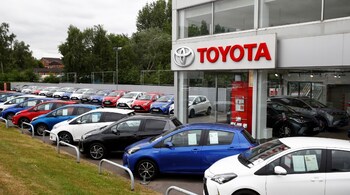
That is, until now, because Toyota Motors – currently the largest car maker in the world – recently announced that it will have a functional prototype containing a solid-state battery, unveiled by 2021. The brand, which, at present holds the maximum number of patents (approximately 1000) for solid-state batteries has greatly accelerated the developmental process for a technology that was thus far considered to be in the embryonic stages of development and real-world functioning.
What is a solid-state battery and why is it better?
So what exactly are solid-state batteries and how do they differ from the lithium-ion units currently in use? According to Toyota, their upcoming solid state battery can be fully charged in 10 minutes, and can provide double the range of a lithium-ion battery. And it promises to do so without compromising on the space or the overall structure of an electric vehicle. Essentially, where lithium-ion batteries use liquid electrolyte, solid-state batteries use a solid electrolyte solution, allowing them, in theory, to store twice the amount of energy. This makes them far less prone to freezing in low-temperatures or serve as a potential fire hazard like lithium-ion batteries. At present, low temperatures can drastically reduce an EVs range, while the flammable material inside the batteries has caused many-a-fire-related mishaps.
Toyota has claimed that it will begin testing its solid-state battery-powered vehicle next year. This will make them, in all likelihood, the first carmaker to produce such technology. They are however, far from the only ones working on the tech. Following Toyota’s announcement, VW-backed QuantumScape was quick to declare that it too will have a production-ready solid-state battery by 2025. Nissan Motors also plans to develop solid-state batteries, ready for deployment by 2028. Being so close to the testing stage however, Toyota appears to have beaten them to the punch. For Toyota, which, despite being a pioneer in the hybrid car market, hasn’t developed a full-fledged EV yet, this technology marks a significant technological leap.
How does this affect the Indian EV market?
Poor range and a poor charging infrastructure make for a terrible combination. And given that India is one of the many markets looking to ban fossil fuel-powered vehicles by 2030, there is a need for widespread adoption of the technology. While solid-state batteries do not solve the existing infrastructural issues, they do double the distance an EV can travel on a single charge. And given that recharging anywhere outside your own residence, has made intercity nearly impossible, the quick charging times will significantly declutter the traffic that’s likely to build up at potential charging stations.
Solid state batteries are undoubtedly a stop-gap measure. But if they are as effective as Toyota (and VW) claims they will be, they can finally put fossil-fuel powered cars to rest. At present most automotive brands intend to stop manufacturing fossil-fuel powered cars in the next five-six years, which means there will be a greater number of electric cars on sale, in the very near future.
According to QuantumScape, the U.S-based startup working with VW to develop solid-state tech, the batteries retain 80% of their capacity, after 800 charging cycles, which means they last a lot longer than lithium-ion batteries which lose their ability to retain charge, over time. So essentially, the tech is safer, with double the output of a conventional battery, requires a fraction of the charging time and will last you a lot longer. And finally, they are just as easy to mass-produce. Until hydrogen fuel-cell technology is mass-produced, this technology will go a long way in phasing out petrol-powered cars, across the world.
Discover the latest Business News, Sensex, and Nifty updates. Obtain Personal Finance insights, tax queries, and expert opinions on Moneycontrol or download the Moneycontrol App to stay updated!





