

Each year, more than a million international students attend colleges across the United States, contributing an estimated $44 billion to the economy through tuition, housing, transportation, and day-to-day expenses. But beyond financial impact, international students are central to America’s scientific leadership and tech sector, experts say. Many fill graduate programmes in science and engineering, support innovation, and often go on to become entrepreneurs or leaders in key global institutions, the Washington Post reported.
US Department of Homeland Security targets Harvard as part of wider university battle
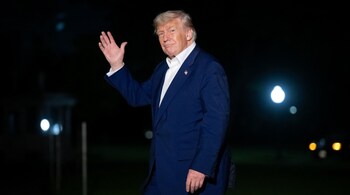
The Trump administration escalated its campaign against elite universities this week by revoking Harvard’s certification to admit foreign students. The move came after the school was accused of permitting antisemitism on campus and maintaining diversity and inclusion programmes that the administration opposes. A federal judge temporarily blocked the decision after Harvard sued. Still, the case has sent shockwaves through academia, especially as some international students have had visas cancelled or been detained after attending pro-Palestinian protests.
Harvard alone adds hundreds of millions to local economy
Harvard’s international students alone contributed approximately $384 million to the local economy in the last academic year, according to NAFSA, a leading group of international education experts. These students also play a critical role in labs and research teams, especially in STEM fields. Their presence boosts the availability of technical courses, indirectly benefiting American students and helping universities maintain high-level offerings.
STEM programmes could shrink without international demand
According to the National Foundation for American Policy, roughly 70 percent of graduate students in electrical engineering and computer sciences are international. Losing them would not only reduce class sizes but could force universities to scale back programmes or cut offerings altogether. Undergraduate enrolment would likely fall by 2 percent, and graduate enrolment could drop by 11 percent over the next decade if international students were banned.
International students are key players in tech innovation
Many international students go on to found startups or join cutting-edge technology firms. Roughly a quarter of billion-dollar startups in the US have at least one international student among their founders. Stuart Anderson of the NFAP notes that these students bring risk-taking and entrepreneurship, along with strong STEM skills, that enrich the US innovation ecosystem.
Global ties are at stake
When international students return to their home countries, they often serve as diplomatic and economic bridges to the United States. Fanta Aw of NAFSA said they’re “our strongest bridges to other countries” and vital to a globally connected world. Without them, the US not only loses tuition dollars but also weakens its global influence.
Harvard case may be just the beginning
As the Trump administration doubles down on elite schools, more universities could come under scrutiny — and more international students may find their futures in the US uncertain. Critics warn that this could deter future applicants, hinder American research, and push global talent toward countries with more welcoming policies. “Without international students,” Anderson said, “the United States would be a far less attractive place to study, innovate, and grow.”
Discover the latest Business News, Sensex, and Nifty updates. Obtain Personal Finance insights, tax queries, and expert opinions on Moneycontrol or download the Moneycontrol App to stay updated!





