

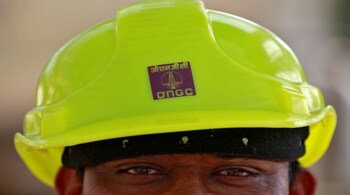
When a fierce cyclonic storm snapped the anchors of a large barge and smashed it into an ONGC platform in the oil-rich area near the Mumbai High oilfields, top executives of the State-run oil giant as well companies that owned and deployed the vessel were rattled. It was a serious lapse that family members of the victims say could have been prevented by the companies.
According to a news report, the ONGC may have ignored an email from the desk officer of ill-fated barge P-305 seeking guidance on steps to be taken to ensure safety of the 261 personnel on board the chartered vessel that was working for the State-run oil major. This is outrageous.
Families of the crew that died can sue the companies for the disaster. The accident brings back memories of the explosion at a rig chartered by the BP Plc in the Gulf of Mexico that led to the biggest oil spill in history, which forced the oil major to pay an unprecedented penalty of $20.8 billion.
There are some disturbing similarities in the way the oil companies reacted to these accidents — off the US coast in 2010 and in the Mumbai offshore region in 2021. But before delving into that, it is important to note even more disturbing similarities with another disaster in the same region of the Arabian Sea.
This is not the first time a vessel has crashed into an ONGC asset in the Arabian Sea. In July 2005, a vessel chartered by ONGC collided with a major oil platform pumping crude oil from the company’s giant Mumbai High field. The tall, imposing, metallic structure rising from clear blue waters 160 km from the Mumbai coast, burnt completely in a few hours and collapsed, killing many people.
The vessel smashed into the platform in 2005 in rough monsoon weather. The sea is so rough in the monsoon season in offshore regions that oil companies suspend all deep-sea exploration activity until the rainy season ends.
It is surprising that the barge full of people was allowed to remain in the path of the cyclone, when many others sailed away to safety. A cyclone is a serious risk, which seafarers would know because even the relatively tame monsoon season has seen several accidents.
At the start of monsoon season in 2006, a year after ONGC lost a major platform, a merchant ship drifted into the rocky Karwar coast released 650 of tonnes of oil, part of which reached the shores of Goa. In June 2011, an old container ship being taken to the Alang shipbreaking yard in Gujarat — again in rough monsoon conditions — broke away from the tug that was hauling it and ran aground on the Mumbai coast.
When the monsoon can make the Arabian Sea so rough and risky, a cyclone should trigger an emergency response that should force every vessel to quickly sail to safety. This did not happen.
What happened instead was outrageous. “Several vessels of ONGC with more than 600 people on board, were stranded in offshore areas during cyclone,” the oil ministry said when it issued a statement to announce a probe into the tragedy. All the people on board the drifting vessels can sue the ONGC for not ensuring that they sailed away to safety. Apart from the risk to human lives, the ONGC’s own instalments were vulnerable to a repeat of the 2005 accident when it lost a gigantic platform and many lives after the collision in rough weather.
According to numerous media reports, Afcons, which chartered the vessel for the ONGC contract, blamed the captain, saying that Durmast, which owned the barge, along with its crew is responsible for marine operations.
Neither Afcons nor Durmast nor the ONGC should have allowed the barge to drop anchor in the path of the cyclone. A news report raised this pertinent question: ‘Was the Master and marine crew under pressure not to move further away since that could cost 4-5 days in the movement when only 2-3 days’ work was left?’
Anchoring a ship in the path of a cyclone with wind gusting at 150 km an hour is obviously not a clever idea. Apart from the menacing wind, cyclones also cause a storm surge, or a big rise in sea level — a combination that is almost certain to dislodge an anchored ship.
Blame Game
Blaming the captain of the vessel for ignoring cyclone warnings does not absolve either the owner of the barge, the contractor or the ONGC, which should have gone out of its way to ensure that no vessel is floating near its oil infrastructure when a fierce storm is approaching.
The blame game and finding fault with the crew, is similar to what happened after the oil spill involving the BP Plc.
The British oil giant prepared a voluminous report that accused Transocean Ltd, which operated the deep-water rig, and oil services firm Halliburton, which cemented the deep-sea well that breached and released oil for months before it was capped.
Like the captain of the barge that sank in the Arabian Sea, employees of Transocean who were on the rig were blamed for the accident in the report prepared by the BP’s head of safety. “Over a 40-minute period, the Transocean rig crew failed to recognize and act on the influx of hydrocarbons into the well,” the report said.
The Mumbai Police has registered an FIR against the captain of the barge for endangering the life of people. The captain was among the people missing after the tragedy.
The captain’s role is only one side of the story. What really matters is that what the companies did when the ship did not sail away from the cyclone. They can be neck deep in legal trouble.
Discover the latest Business News, Sensex, and Nifty updates. Obtain Personal Finance insights, tax queries, and expert opinions on Moneycontrol or download the Moneycontrol App to stay updated!





