

Pallavi Roy, a Bengaluru resident, was in a fix during the lockdown when she had to prepare Biriyani, a weekend staple for her family. “I have always relied on the local meat shop. But in the current situation, I was not sure whether to purchase chicken from the shop,” she said. To play safe, Pallavi has been ordering chicken from an online platform, and since then has been buying all her meat online.
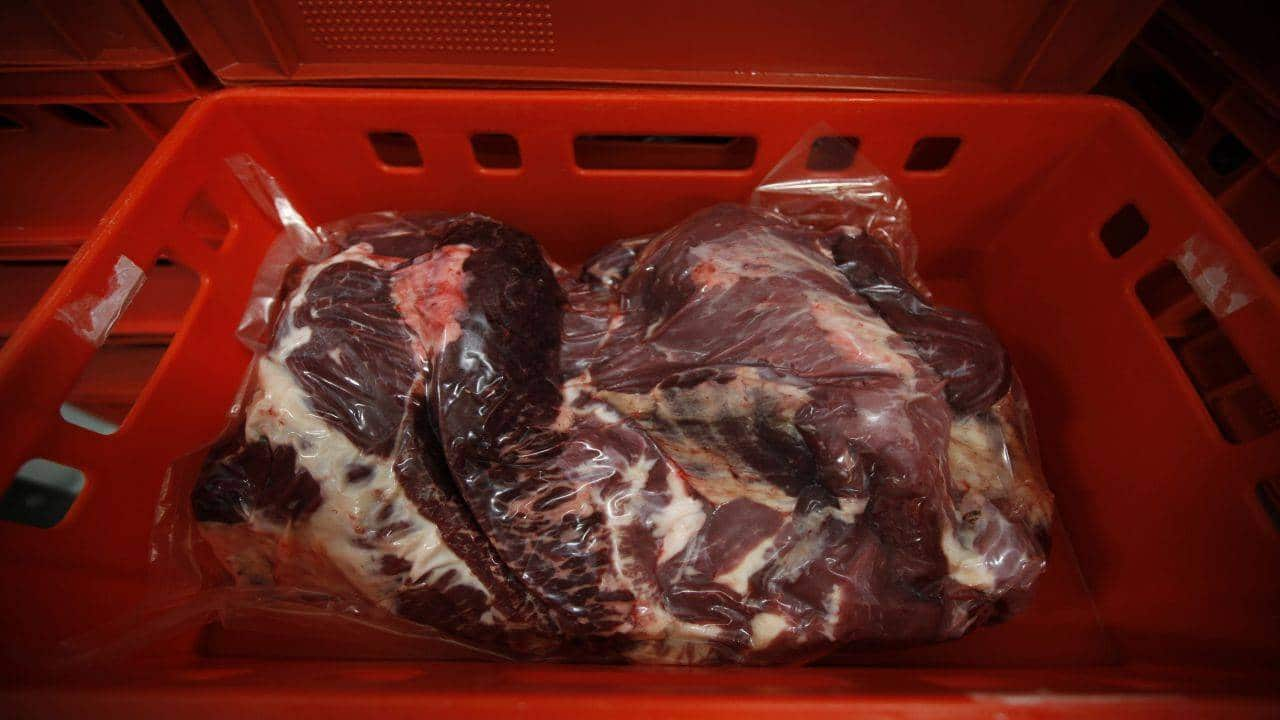
Like Pallavi, people across India have switched to buying meat and fish online. Large crowds and worries over hygiene have made people shun conventional meat and fish markets. While this has dented business at these shops, the biggest beneficiaries have been online meat and seafood vendors.
The key players in the online meat and seafood delivery market, who currently operate in specific regions, include Licious, Tendercuts, Zappfresh, Fleshkart, Pescafresh, Fipola and FreshToHome. In addition, the likes of BigBasket and Amazon Fresh (in six cities) also deliver meat and fish. Some of these players also have physical stores where customers can walk in and make their purchases.
“Due to the coronavirus pandemic, people started worrying about the hygiene in meat shops. And this has led to more people buying meat online,” Nishanth Chandran, Founder, Tendercuts, told Moneycontrol.
Boom time
Tendercuts, which operates in Chennai and Hyderabad, is expecting around 300 percent growth in business this year. “Last financial year we closed at Rs 50 crore and this year we are already trending towards Rs 150 crore,” said Chandran.
Another online platform, Zappfresh, which sells mutton, chicken and seafood online in Delhi-NCR, Jaipur and Chandigarh, is witnessing good growth in business thanks to COVID-19.
“Our sales have doubled from pre-Covid to the current period,” said Deepanshu Manchanda, CEO and Co-founder, Zappfresh.
Market expected to expand
“The total size of the non-vegetarian market is $20 billion per year and this is only home use. Now, divide this into two, urban and rural. The urban market size is $8 billion and this is further divided into organised and unorganised,” said Chandran.
The organised market, he said, accounts for 67 percent, and is further divided into retail and online. “In this, online was 3-4 percent pre-Covid and we expect it to increase to 10-12 percent.”
Pitching quality to the customer
Manchanda said Zappfresh puts a premium on quality to ensure customers are satisfied. “We have two levels of farm checks. We check the health of the bird, its movement, size, feeding plan... We also see the colour of the bird, and there shouldn’t be any blood clotting on it. There is a log maintained and this is done at the farm level.”
“Then there are SOPs for slaughtering, like no usage of warm water — temperature control is the next biggest parameter while slaughtering. During the supply also we maintain temperature logs. We also have SOPs for the size of the cut for mutton, chicken and seafood,” he added.
Trends in online buying
“Packaged food as a category has picked up and under that meat has seen an overall rise. Repeat rates of customers have increased. And it is easier to convert offline to online now. Also, those who were buying online have also increased frequency now,” Manchanda added.
Even Chandran saw a 5X increase in the ready-to-eat category for Tendercuts.
Sharing more trends in the online meat consumption space during Covid-19, Chandran said: “Pre-Covid, 60 percent of our business used to happen between Friday to Sunday. But this has changed during the lockdown and sales take place throughout the week.”
He added: “Our online-to-retail ratio was 60:40 before the coronavirus but in the last few months it has moved to 85 percent online and 15 percent retail. Senior citizens were late movers, but COVID-19 drove their consumption online.”
Both Chandran and Manchanda believe online sale of meat is here to stay and will penetrate smaller markets. Indeed, both Tendercuts and Zappfresh are looking to expand into more cities next year.
Chandran is also betting big on the upcoming festive period and expects a spike in online purchase of meat during the season.
Discover the latest Business News, Sensex, and Nifty updates. Obtain Personal Finance insights, tax queries, and expert opinions on Moneycontrol or download the Moneycontrol App to stay updated!





