






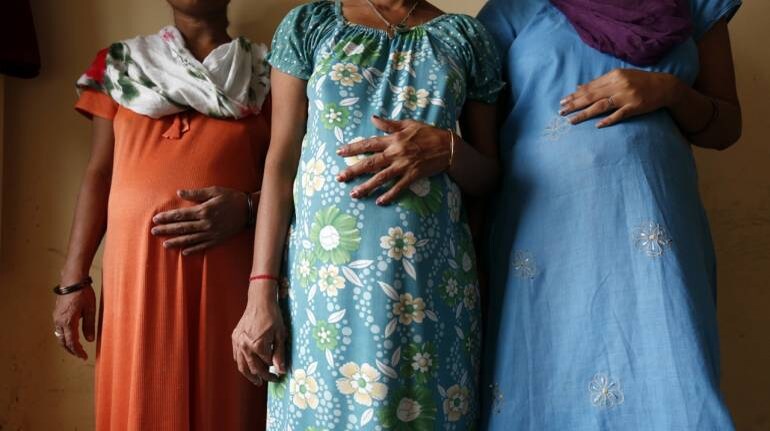
As India steadily treads the path of development, there are several social indices which restrict its all inclusive growth. One such factor that pulls India down is maternal health care, especially in the rural parts of the country which accommodate the majority of Indian population.
According to the Census of India 2011, 72.18 percent of the total Indian population, which amounts to 742,490,639 people, lives in rural areas. Of which more than 48 percent are women.
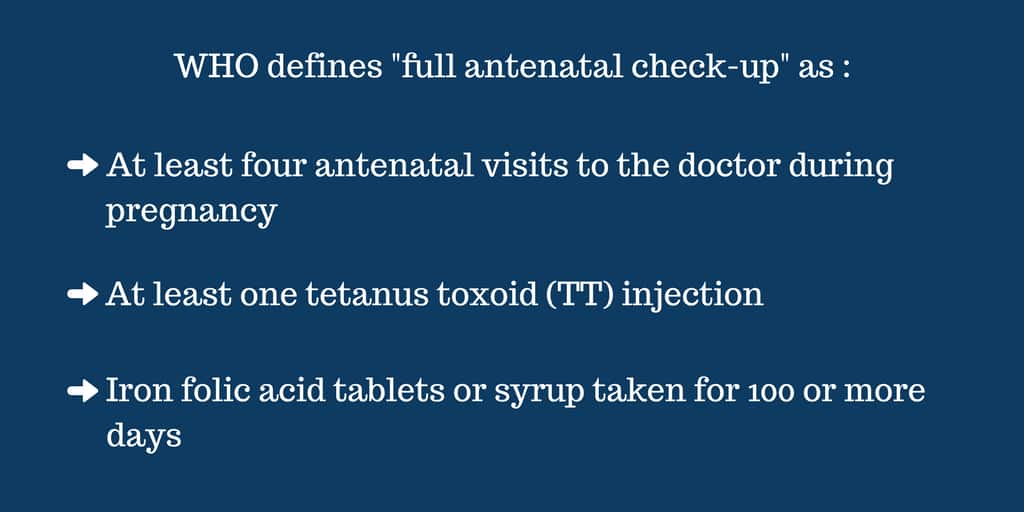
The National Family Health Survey 2015-16 points out that only 16.7 percent of pregnant women in rural India get a full antenatal (pre-birth) check-up done.
Dr Chanchal Bhowmik, a gynaecologist and obstetrician at Sirona Hospital in West Bengal, said that women in India do not have adequate facilities to ensure a healthy pregnancy.
"Lack of education and awareness, low socio-economic status and resource, poor settings and large patients load in hospitals are some of the factors which lead to the crisis," he added.
The urban women are not far ahead with only 31.1 percent receiving full antenatal care. Hence, the total number of women receiving full antenatal care stands at only 21 percent in India.
Here are the numbers which show different aspects of antenatal care:
According to Dr Bhowmik, antenatal care check-ups are crucial in ensuring a healthy pregnancy.
He said, "Antenatal check ups are extremely important because it helps in the screening of high-risk cases, prevention, detection and treatment of any complication at earliest, continued risk assessment and provision of primary preventive health care of the mother."
He also elaborated that education of the mother about the physiology of pregnancy and labour is necessary to eliminate fear and better psychological conditions for the mother.
Discussions with couples about the provisional place, time and mode of delivery, taking care of the newborn and education about family planning methods and services are all important components of antenatal care.
Another devil that meddles with maternal health is the problem of neonatal tetanus, which is a life-threatening disease caused due to unclean deliveries and unhygienic treatment of pregnancies.
In July 2016, the World Health Organization (WHO) and UNICEF awarded India with the honour of being a risk-free zone for neonatal tetanus.
The NFHS report shows that 89 percent of the total pregnant women were protected against neonatal tetanus in their last birth, which is a huge development from the 76.3 percent recorded in 2005-2006.
However, the 10 percent still accounts for a massive number, given the population of India, especially in remote areas where child birth takes place in unhygienic conditions.
"In many remote rural areas still there is the provision of home delivery and that too without any antenatal check up and tetanus immunisation. So risk still persists for neonatal tetanus," said Dr Bhowmik.
"Lack of immunisation in pregnancy and delivery without maintaining asepsis [eliminating infection-causing bacteria] are the key factors which lead to neonatal tetanus," he added.
In the interior parts of rural India, child delivery at home without any professional overseeing is still a prevalent practice.
"Because labour and delivery is monitored and conducted by a person in an unsterile environment without any medical knowledge and training, it can lead to dangerous consequences like birth asphyxia of baby, neonatal sepsis, injury to baby, maternal haemorrhage, maternal sepsis, maternal genitourinary tract injury (important causes of neonatal and maternal morbidity and mortality)," Dr Bhowmik said.
He said, "Currently maternal mortality in India is 174 per one lakh live births, even more than that because there are so many unreported cases."
"Reasons behind this are large population, poverty, illiteracy, lack of awareness, poor cultural practices, inadequate obstetric services, poor communication and lack of proper referral services."
He added that education and awareness could prevent women getting married at an early age and educate people about proper family planning and birth spacing.
The NFHS report did highlight that 31.5 percent of women in rural India, where access to quality education is tough, were married before 18 as opposed to urban areas where the number stood at 17.5 percent.
Maternal health care is completed when the mother gets the care needed after the baby is born (postnatal care) from a doctor or a skilled professional.
Surprisingly, India records a total of 62.4 percent mothers who receive postnatal care two days after delivery - the rural and urban breakup shows only 58.5 percent rural mothers receiving postnatal care while it is 71.7 percent for urban women.
"Pregnancy health care differs in rural and urban India because of differences in knowledge, practice, attitude and awareness," observes Dr Bhowmik.
As India completes its 70th year of independence, maternal health care is yet to prosper in the remote areas of India. Matters like teenage pregnancy, unhygienic delivery situations and negligence of issues concerning nutrition of mother is hugely ignored.
Dr Bhowmick believes that taking care of the above conditions would improve India's statistics on maternal healthcare.
Discover the latest Business News, Sensex, and Nifty updates. Obtain Personal Finance insights, tax queries, and expert opinions on Moneycontrol or download the Moneycontrol App to stay updated!
Find the best of Al News in one place, specially curated for you every weekend.
Stay on top of the latest tech trends and biggest startup news.




