These are the countries that shut borders due to Omicron, the new COVID variant
A new, heavily mutated Covid-19 variant spread across the globe on November 28, shutting borders, renewing curbs, and sparking fears for the fight against the nearly two-year-old coronavirus pandemic. Dubbed Omicron, the strain has cast doubt on global efforts to battle the pandemic because of fears that it is highly infectious, forcing countries to reimpose measures many had hoped were a thing of the past.
A new, heavily mutated Covid-19 variant spread across the globe on November 28, shutting borders, renewing curbs, and sparking fears for the fight against the nearly two-year-old coronavirus pandemic. Dubbed Omicron, the strain has cast doubt on global efforts to battle the pandemic because of fears that it is highly infectious, forcing countries to reimpose measures many had hoped were a thing of the past. Scientists are racing to determine the threat posed by the heavily mutated strain -- particularly whether it can evade existing vaccines. (Image: AFP)
With many European nations, including Germany and France, already bringing back curbs to counter surges in infections, Swiss voters broadly backed a proposed COVID pass law in a referendum on November 28. (Image: AFP)
Mask-wearing will again be mandatory in shops and on public transport in England. All passengers arriving in Britain will have to take a PCR test and self-isolate until negative. Health Secretary Avid Javid said new COVID rules will be enforced from November 30. (Image: AFP)
A long list of countries have already imposed travel restrictions on southern Africa, where it was first detected, including key travel hub Qatar, the United States, Britain, Saudi Arabia, Kuwait and the Netherlands. Angola became the first southern African country to suspend all flights from its regional neighbours Mozambique, Namibia and South Africa. (Image: AFP)
Israel announced some of the strictest curbs, closing the borders to all foreigners -- just four weeks after reopening to tourists following a prolonged closure due to COVID. Israeli citizens will be required to present a negative PCR test and quarantine for three days if they have been vaccinated against the coronavirus and seven days if they have not. (Image: AFP)
The Philippines has temporarily suspended a decision to allow fully vaccinated tourists entry in a bid to prevent a new, heavily mutated coronavirus variant taking off in the country where most of the population remains unvaccinated. (Image: AFP)
Canada on November 28 has detected its first cases of the new Omicron strain of COVID, in two people who had travelled recently to Nigeria. On November 27, Canada banned travel from seven African countries over concerns about the spread of the Omicron strain. Nigeria was not one of them. (Image: AFP)
On November 29 Japan announced to shut borders to foreign travelers from around the world as the new coronavirus variant spreads. Japan will bar entry to foreigners from midnight on November 29 and Japanese returnees from specified nations will have to quarantine in designated facilities, Prime Minister Fumio Kishida said. (Image: AFP)
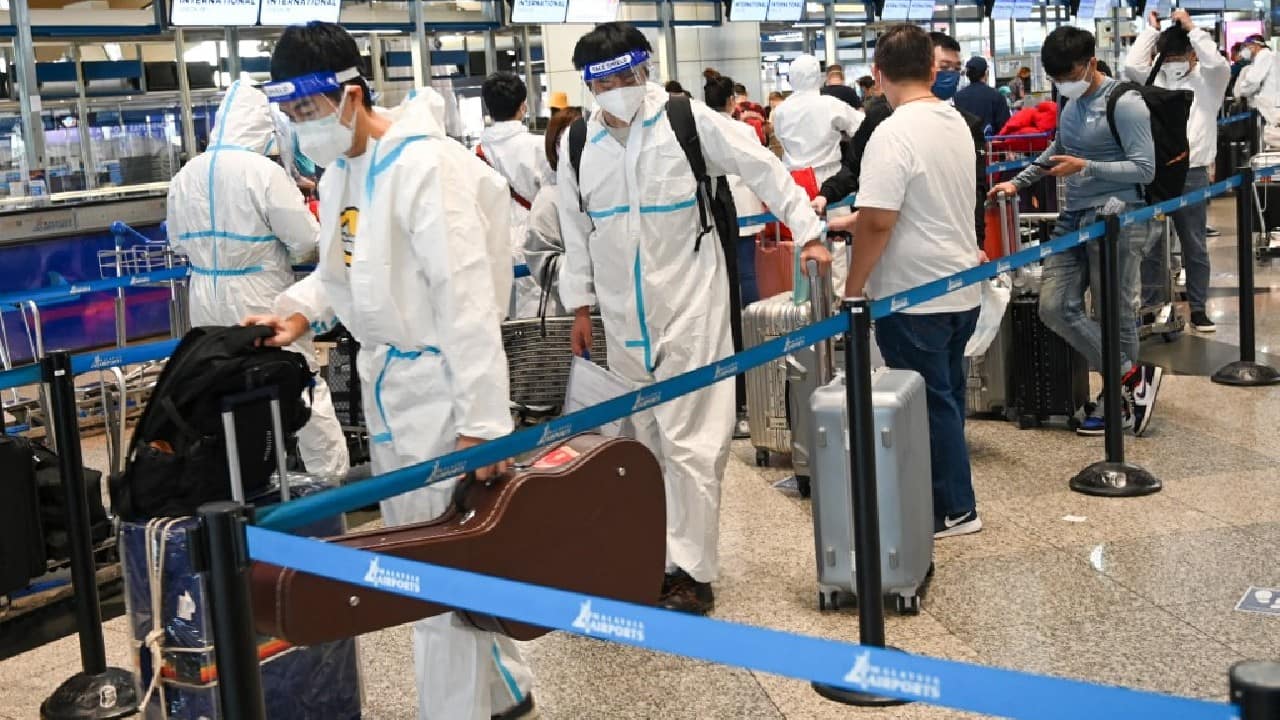
The speed at which governments slammed their borders shut took many by surprise, with travelers thronging Johannesburg international airport, desperate to squeeze onto the last flights to countries that had imposed sudden travel bans. (Image: AFP)
The virus strain has already slipped through the net, and has now been found everywhere from the Netherlands to Hong Kong and Australia, where authorities on November 28 said they had detected it for the first time in two passengers from southern Africa who were tested after flying into Sydney. The arrival of the new variant comes just a month after Australia lifted a ban on travelling overseas without permission. (Image: AFP)