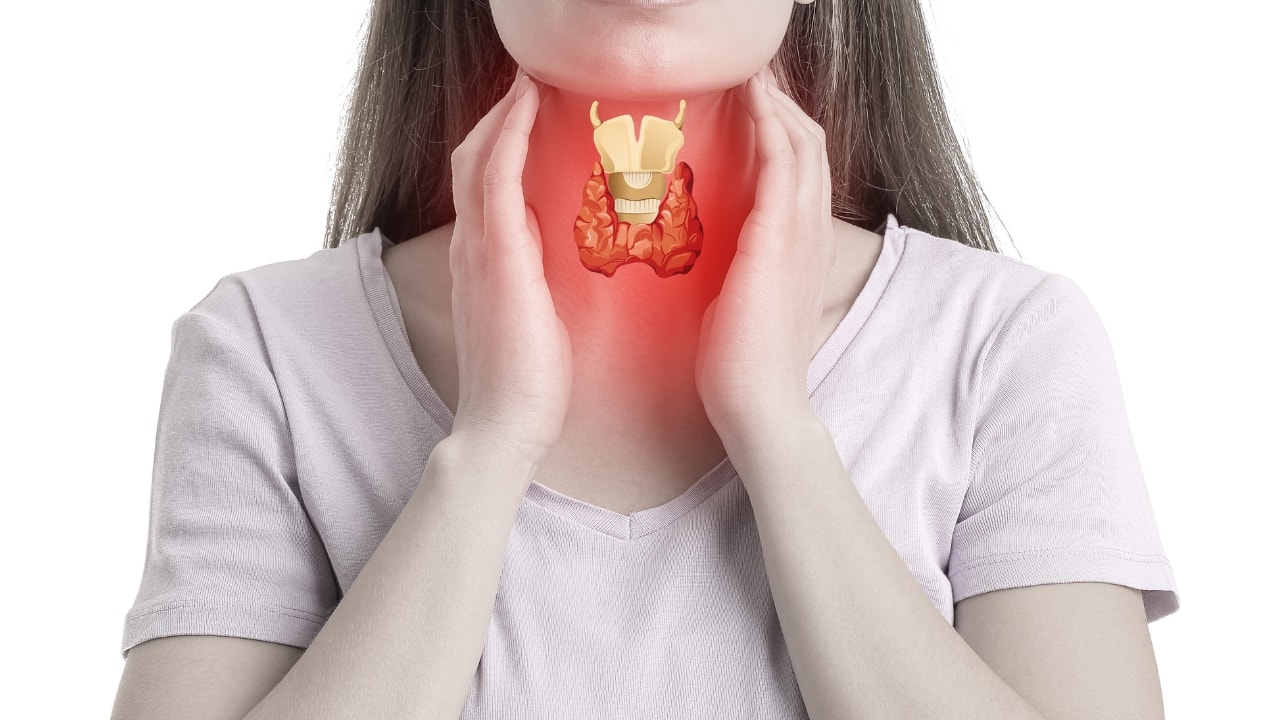
Anemia overview and common mechanismsAnemia refers to a clinical condition where the haemoglobin level reduces, which leads to inadequate delivery of oxygen to the tissues. It may be a result of reduced red blood cell production, increased destruction of RBCs, or even blood loss. Common symptoms include fatigue and pallor. (Picture Credit: Canva) Iron deficiency anemia explanationIron deficiency anemia is one of the most common causes of anemia. It can occur due to long-term loss of blood, poor dietary habits, malabsorption syndrome and even increased demand of the body. The person shows features like hair loss, pica and fatigue. Treatment usually involves oral iron therapy. (Picture Credit: Canva) Vitamin B12 deficiency featuresAnemia may also be a result of deficiency of vitamin B12, which may be seen because of pernicious anemia, a vegan or a vegetarian diet, or pre-existing ileal diseases. A peripheral blood smear may aid in identifying characteristic features like macrocytosis. Neuropathy may occur in such cases. (Picture Credit: Canva) Folate deficiency and anemiaA poor diet and long-term consumption of alcohol, along with pregnancy, can lead to a deficiency of folic acid. The affected persons show clinical features like pallor and weakness. Oral supplementation of folic acid and eating a healthy diet can help reduce the chances of anemia. (Picture Credit: Canva) Chronic diseases causing anemiaIn cases of long-term infections or any chronic diseases, like chronic kidney disease and autoimmune conditions, anemia can develop. While the shape of the red blood cells remains normal (normocytic), serum iron levels may be low in some cases. The underlying disease must be treated to deal with this. (Picture Credit: Canva) Thyroid disorders and anemiaThe levels of the thyroid hormones may also influence the development of anemia. Reduced levels of thyroid hormones (hypothyroidism), can cause a reduction in red blood cell production, thus leading to this condition. Cold intolerance and weight gain are seen, along with anemia. (Picture Credit: Canva) AUB leading to anemiaAbnormal uterine bleeding can lead to long-term blood loss, which causes anemia. Such persistent loss of blood exceeds the body’s ability to replace iron, which can lead to iron deficiency anemia. The affected persons show clinical experiences breathlessness on exertion and pallor, along with a reduced tolerance for exercise. (Picture Credit: Canva) Dietary intake for preventionEnsuring a balanced diet with adequate intake of food that are rich in iron like green-leafy vegetables and meat, along with pulses and eggs can aid in reducing the incidence of anemia. Legumes and fortified cereals are rich in folate, and must be consumed regularly. (Picture Credit: Canva) Supplements and deworming adviceIron-supplementation of high-risk groups and regular deworming practices to prevent hookworm infestation can help prevent chronic blood loss. Prevention and treatment of infection like malaria and chronic inflammatory diseases may also reduce the chances of developing anemia. (Picture Credit: Canva) Healthy lifestyle and monitoringLimiting the intake of alcohol can prevent folate deficiency. Regular antenatal and paediatric checkups can help in monitoring growth and nutrition, and provide supplementation when necessary. A healthy lifestyle with regular exercise and adequate sleep, along with reduction of stress, improves overall nutrition and immunity. (Picture Credit: Canva) Disclaimer: This article, including health and fitness advice, only provides generic information. Don’t treat it as a substitute for qualified medical opinion. Always consult a specialist for specific health diagnosis.