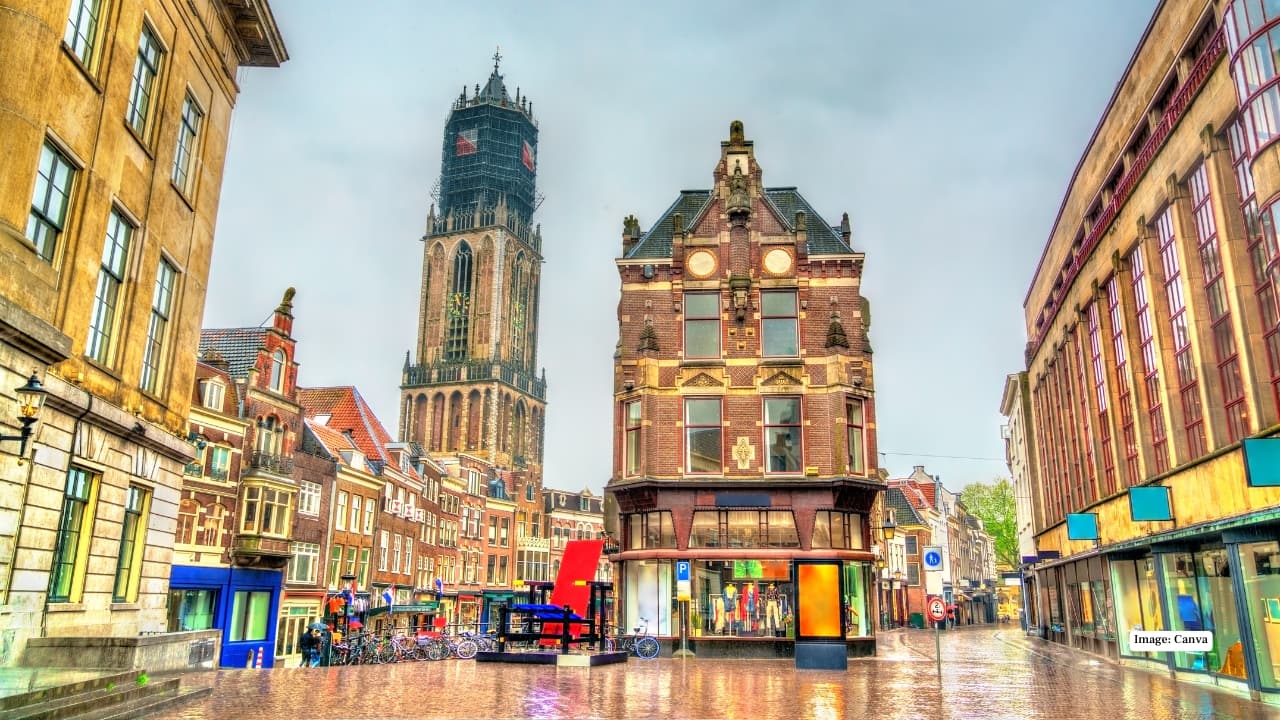
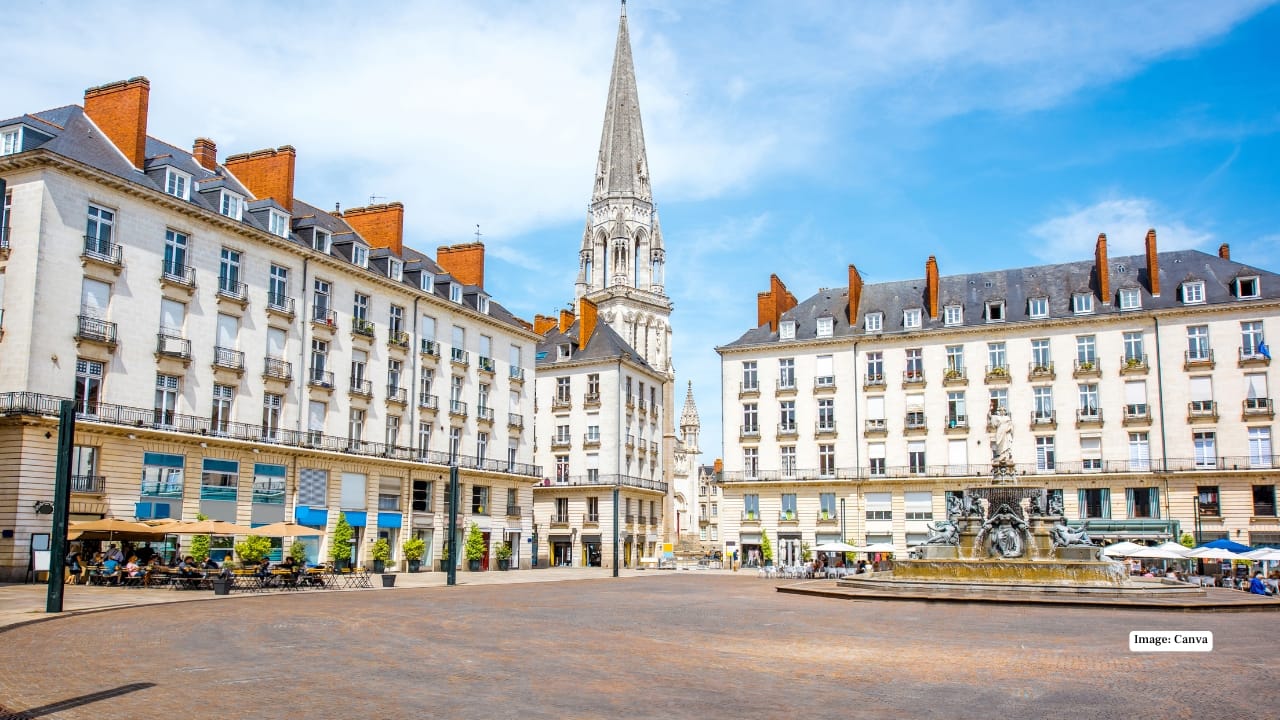
Cycling isn’t just a pastime—it’s one of the fastest, healthiest, and most eco-friendly ways to move around a city. But while the benefits are universal, the experience isn’t. Some cities are built with cycling at their core, backed by smart infrastructure, strong policy support, and a culture that embraces two-wheel travel. The 2025 Copenhagenize Index evaluates these elements—bike lanes, safety standards, public policies, and everyday usage—to highlight places that have truly mastered urban cycling. Unsurprisingly, European cities dominate the rankings, showcasing bold planning and a deep commitment to sustainable mobility. Here are the world’s 10 most cycling-friendly cities in 2025: 1. Utrecht – The Dutch Cycling PowerhouseUtrecht claims the top spot with nearly one-third of trips made by bicycle. The city’s compact, human-scale layout combined with intelligent urban planning and a network of safe lanes proves cycling can be central to city life. Innovative bike parking, traffic flow management, and integrated public transport make Utrecht a blueprint for cities worldwide. 2. Copenhagen – The Global Cycling BenchmarkCopenhagen has long been regarded as the global standard for cycling cities. Extensive, well-maintained bike lanes, a deeply embedded cycling culture, and continual investment have made biking the default choice. With the city approving its largest-ever cycling budget for 2026, Copenhagen is set to innovate further, incorporating e-bikes, new infrastructure, and smart traffic solutions. 3. Ghent – Belgium’s Bold Bike TransformationGhent has transformed itself from a car-centric city into a cycling haven. Bold circulation plans turn busy streets into calm, livable zones, making cycling safe and intuitive. Adults and children alike can ride freely, supported by clear signage, protected lanes, and city-wide programs that promote cycling as a reliable and enjoyable daily commute. 4. Amsterdam – The Iconic Bike CapitalAmsterdam continues to define what a bicycle-friendly city should be. With 37% of all trips done by bike, the city’s mature system seamlessly integrates cycling with daily life. Investments in traffic-calmed streets, improved bike parking, and policies managing e-bikes and tourist congestion ensure Amsterdam remains a global leader in cycling culture and urban mobility. 5. Paris – From City of Lights to City of BikesParis has emerged as a major cycling city, climbing to 5th place. Cycling share has grown from 5% to 11% in just five years. Backed by strong political support and ambitious urban policies, Paris has expanded bike lanes, implemented bike-share programs, and successfully reallocated public space, making cycling a convenient and safe option while preserving the city’s historic charm. 6. Helsinki – Nordic Innovation on Two WheelsHelsinki combines safety, inclusivity, and strategic urban planning to make cycling a natural choice. Investments in winter-friendly infrastructure, secure bike storage, and public campaigns encourage residents to adopt cycling year-round. The city’s approach reflects a long-term vision, prioritizing social responsibility, accessibility, and environmental sustainability to create a dependable cycling ecosystem. 7. Münster – Germany’s Bicycle CapitalMünster, known as Germany’s “capital of bicycles,” demonstrates how urban design and cultural adoption influence cycling habits. With nearly half the residents relying on bikes, Münster’s compact layout, university population, and municipal investments ensure that cycling remains safe, convenient, and integrated into daily life for commuting, shopping, and leisure. 8. Antwerp – Cycling Meets CommerceAntwerp balances its role as a bustling port city with the needs of cyclists. By designing a metropolitan-scale network of bike lanes, parking, and traffic management, Antwerp allows commerce, commuting, and recreational cycling to coexist efficiently. Consistent city planning and infrastructure improvements create a safe and attractive environment for residents and visitors alike. 9. Bordeaux – Steady Progress, Big ImpactBordeaux has steadily improved cycling conditions across the city. Coordinated policies on calmer streets, network upgrades, and bike logistics have led to 19% of workers commuting by bike. This consistency in investment and planning encourages a cultural shift toward cycling, making it both practical and desirable as a daily mode of transport. 10. Nantes – Determination Drives Cycling SuccessNantes proves that determination and strategic investment can reshape a city’s cycling culture. High-quality infrastructure, well-marked lanes, and consistent municipal focus have elevated cycling as a safe, efficient, and attractive mode of transport, pushing Nantes into the top 10 globally while inspiring other cities to follow its lead.