




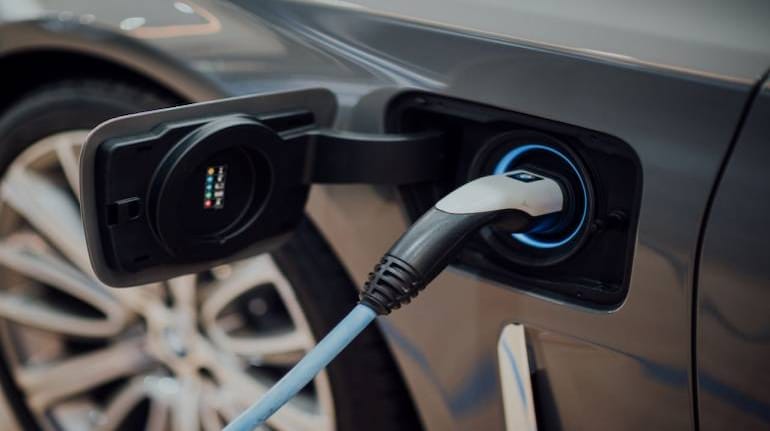
The EV sector in India has gained momentum in recent times. In 2021, a lot of announcements were made, and several states as well as the Union government took steps to promote EVs. In the wake of such developments, it was highly anticipated that Budget 2022 would address the major challenges faced by the sector.
Towards this end, there have been some key announcements on February 1 that will go a long way in promoting an electric mobility ecosystem in India. There are four important areas that the budgetary announcements are going to positively impact:
Eliminating Range Anxiety: Range anxiety, or the compulsion to move around within a limited radius of the charging station, has been one of the biggest challenges for EVs. When you buy an EV vehicle which is costlier than is ICE counterpart, but you can’t travel in it to a city 300 km away, then it becomes challenging to justify the expenditure on such vehicles.
The problem is even more acute with the commercial vehicle owners, as even when they don’t commute long distances, they would still be constantly driving around urban areas making last-mile deliveries or providing commute to the public. In such a scenario, the limit on number of kilometres was a challenge.
Now with the government announcing its support to innovative energy-as-a-service companies or battery swapping services, range anxiety will soon be eliminated. Various companies are set to enter these areas and will invest heavily in building charging and battery swapping stations across India.
EV Exclusive Zones: EV exclusive zones are going to be a key promoter of electric mobility. There will be zero-tolerance for plying of non-electric vehicles in these zones. Thus, it will also push for greater adoption of clean public transportation as people would use either shared or private EVs for their movement as well as last-mile delivery of goods. This will reduce the carbon footprint, and boost environmental sustainability in the cities.
Interoperability: The government’s plan to encourage interoperability of batteries through the swapping medium will lead to standardisation of battery technologies. Since the EVs have already been allowed to be sold without factory-fitted batteries in various categories, it will make EV adoption easier for the users.
Foreign Investments: The government has also announced that it will simplify investment processes for foreign investors who are keen to fund clean energy and sustainability driven industries. This would pave the way for greater FDI into the EV ecosystem. From EV manufacturers to battery swapping and charging service providers to EV financing firms, all will benefit from this development.
Apart from these, there are also a couple of much-needed measures which were left out of Budget 2022. While the government has allowed to purchase EVs and batteries separately, this results in the batteries being charged at 18 percent GST, whereas the vehicle itself is charged at 5 percent GST. This discrepancy needs to be removed as it will make the batteries more affordable, and battery swapping more beneficial for the end users. Also, now that the government is focusing on providing a financial push to the EV sector, it is expected that the industry will be added to the priority sector lending areas at the earliest.
Overall, the Budget has shown a lot of promise for the EV battery swapping and innovative technologies arena, and we look forward to follow up steps on these announcements. This might just be the beginning of a concerted effort towards making India an EV nation!
Varun Goenka is Co-founder and CEO, Chargeup. Views are personal, and do not represent the stand of this publication.

Discover the latest Business News, Sensex, and Nifty updates. Obtain Personal Finance insights, tax queries, and expert opinions on Moneycontrol or download the Moneycontrol App to stay updated!
Find the best of Al News in one place, specially curated for you every weekend.
Stay on top of the latest tech trends and biggest startup news.






