

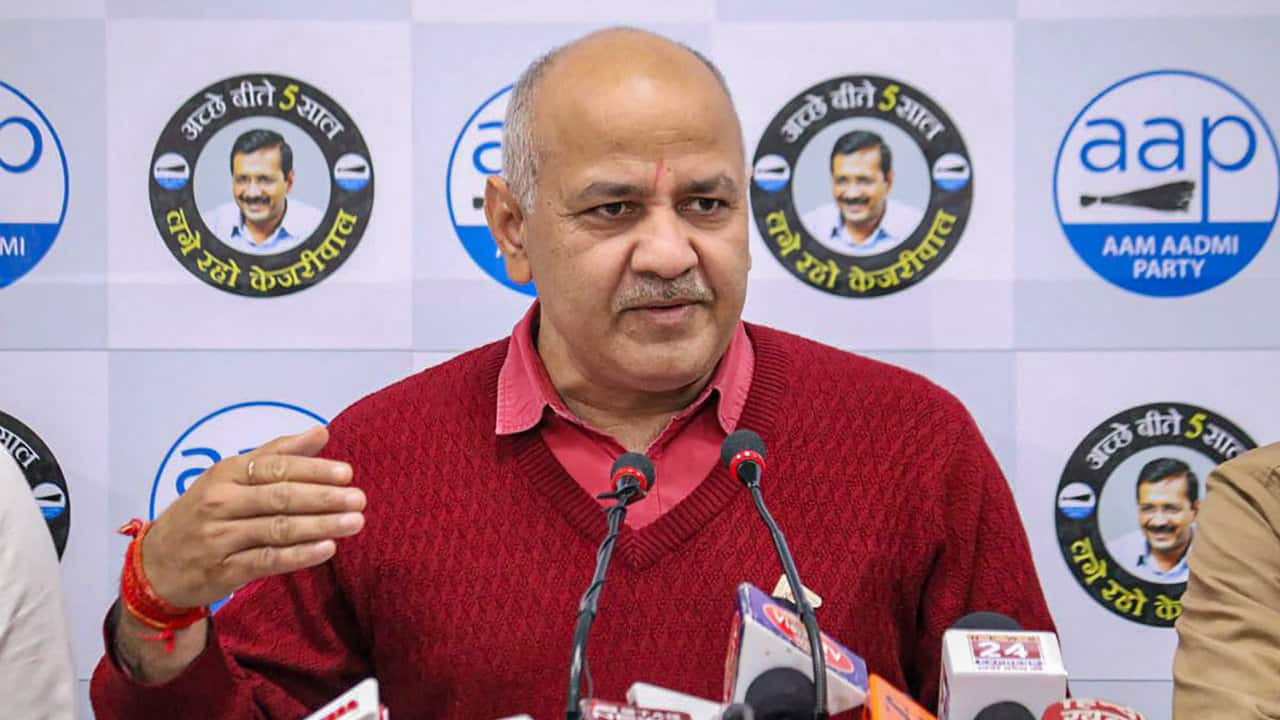
Deputy Chief Minister of Delhi Manish Sisodia on November 17 told CNBC-TV18 that there is no plan for a lockdown or a "mini-lockdown" in the national capital despite the growing number of COVID-19 cases.
Sisodia also said that recent festivals caused crowding at markets in the city and that he expects the cases to go down once the festival season winds up.
"Delhi government has only asked for an exemption from Home Ministry rules to reduce crowding at markets," Sisodia said, adding that the government will look to curb crowds at markets subject to tests and positivity rates.
Sisodia's statement comes a day after Delhi Health Minister Satyendar Jain said there is no chance of re-imposition of lockdown in the national capital, insisting that the third wave of the novel coronavirus infections in the city had already peaked.
Follow our LIVE blog for the latest updates on COVID-19
Talking to reporters, Jain had said the virus cannot be contained through lockdown and that people should protect themselves by wearing face masks.
Earlier on November 17, the Union Health Ministry had laid down certain measures it is planning to take in the event of rising COVID-19 cases in the capital. It said that the government would double testing capacity up to 1.2 lakh and increase ICU beds to over 6,000 to tackle the spread of the disease.
A decision has also been taken to increase house-to-house surveillance of active cases in containment zones and other vulnerable pockets for which 7,000-8,000 teams will be appointed, a hike from the existing 3,000 teams that are currently involved.
The national capital has witnessed a sudden spike in coronavirus cases since October 28 when the daily rise breached the 5,000-mark for the first time and it crossed the 8,000-mark on November 11.
On November 12, 104 coronavirus-related deaths, the highest in over five months, were recorded in the city.
(With inputs from PTI)
Discover the latest Business News, Sensex, and Nifty updates. Obtain Personal Finance insights, tax queries, and expert opinions on Moneycontrol or download the Moneycontrol App to stay updated!





