






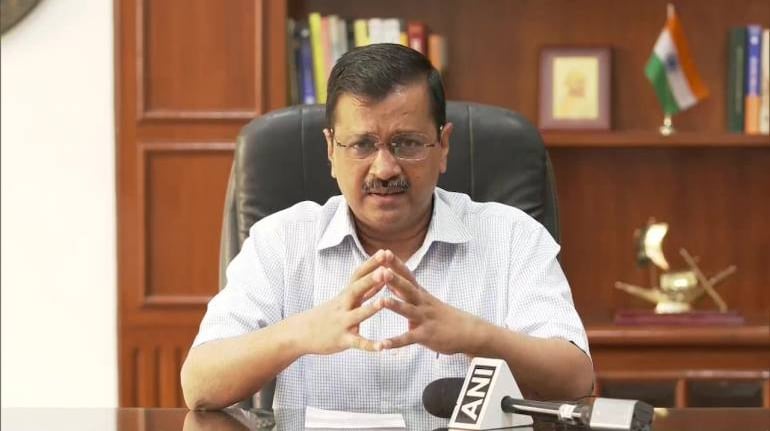
Delhi Chief Minister Arvind Kejriwal said on May 24 that pharmaceutical companies Pfizer and Moderna have refused to sell COVID-19 vaccine doses directly to the National Capital Territory (NCT) government.
The two global vaccine manufacturers have informed the Delhi government that they will only deal with the Centre, news agency ANI quoted Kejriwal as saying.
“We have spoken to Pfizer and Moderna for [COVID-19] vaccines, and both the companies have refused to sell vaccines directly to us. They have said that they will deal with the Government of India alone. Appeal to the Centre to import vaccines and distribute to the states,” Kejriwal was quoted as saying.
Follow our LIVE blog for the latest updates of the coronavirus pandemicAmid a vaccine supply crunch, the union government had earlier allowed state government to import jabs and negotiate directly with foreign vaccine makers for the same. Multiple states, including Maharashtra and Uttar Pradesh, have floated global tenders to procure doses directly.
The vaccination drive for the 18-44 age group was halted in Delhi on May 23 due to a shortage of vaccines, with Kejriwal saying it will take 30 months to vaccinate people in this category in the national capital if the supply crisis continues.
The chief minister also wrote to Prime Minister Narendra Modi, requesting him to ensure immediate supply of jabs and increase the quota for Delhi.
COVID-19 Vaccine Tracker: All you need to know about manufacturing and pricingEarlier, it was reported that Moderna, one of the leading COVID-19 vaccine manufacturers whose shots are being administered in North America and Europe, had declined Punjab government's request for direct supply. The company, as per its policy, would “only deal with Government of India”, Vikas Garg, Punjab's nodal officer for vaccination, had explained.
More than 9.42 lakh COVID-19 vaccine doses were administered in India on May 23, the Union Health Ministry's provisional report suggested. With that, the cumulative number of COVID-19 vaccine doses administered in the country reached 19.6 crore.
India rolled out the third phase of its inoculation drive for those in the 18-44 age group on May 1. The central government had also liberalised the exercise to allow private hospitals and industrial establishments to procure the doses directly from manufacturers.
Follow Moneycontrol’s full coverage of the coronavirus pandemic hereDiscover the latest Business News, Sensex, and Nifty updates. Obtain Personal Finance insights, tax queries, and expert opinions on Moneycontrol or download the Moneycontrol App to stay updated!
Find the best of Al News in one place, specially curated for you every weekend.
Stay on top of the latest tech trends and biggest startup news.




