




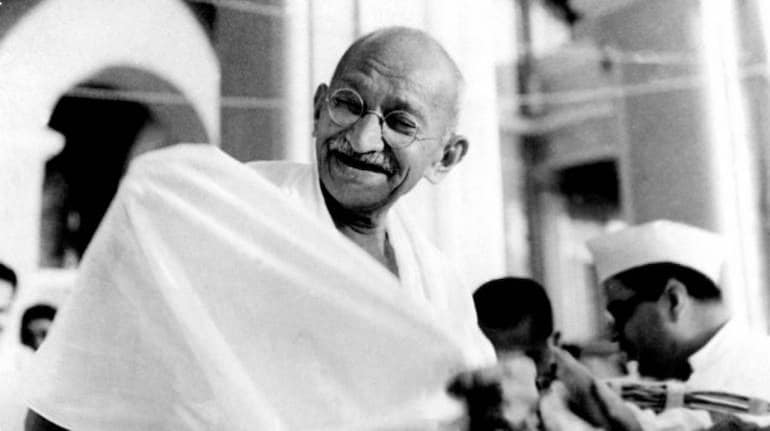
On the night of August 14, 1947, when Jawaharlal Nehru was preparing to deliver his famous “Tryst with destiny” speech, Mahatma Gandhi was earnestly trying to end the communal violence triggered by the Partition.
Bengal was partitioned by the British, and a chunk of the state went on to form East Pakistan (now Bangladesh). The Partition, done along religious lines, resulted in bloody communal strife that ended in tears and pyres. So, on August 15, 1947, when most of the nation was feeling triumphant and rejoicing the new-found independence, Bapu was in Calcutta, worried sick.
Mahatma Gandhi was supposed to be in Bihar in the days leading to August 15, before heading to Bengal – both areas ravaged by communal strife. Bapu was only concerned about forging peace and harmony between the two communities. “To me, peace between Hindus and Muslims is more important than the declaration of independence,” he had famously said, and refused to take part in any celebrations.
He said: “I cannot rejoice on August 15. I do not want to deceive you. But at the same time, I shall not ask you not to rejoice. Unfortunately, the kind of freedom we have got today contains also the seeds of future conflict between India and Pakistan. How can we, therefore, light the lamps?”
Gandhi was eventually successful in his efforts, and his miraculous strategy in pacifying both communities was recognised by Lord Mountbatten, the last Viceroy of India.
Mountbatten said: “In Punjab, we have 55 thousand soldiers and large-scale rioting on our hands. In Bengal, our forces consist of one man (Gandhi), and there is no rioting.”
For live updates on Independence Day 2020, click here

Discover the latest Business News, Sensex, and Nifty updates. Obtain Personal Finance insights, tax queries, and expert opinions on Moneycontrol or download the Moneycontrol App to stay updated!
Find the best of Al News in one place, specially curated for you every weekend.
Stay on top of the latest tech trends and biggest startup news.




