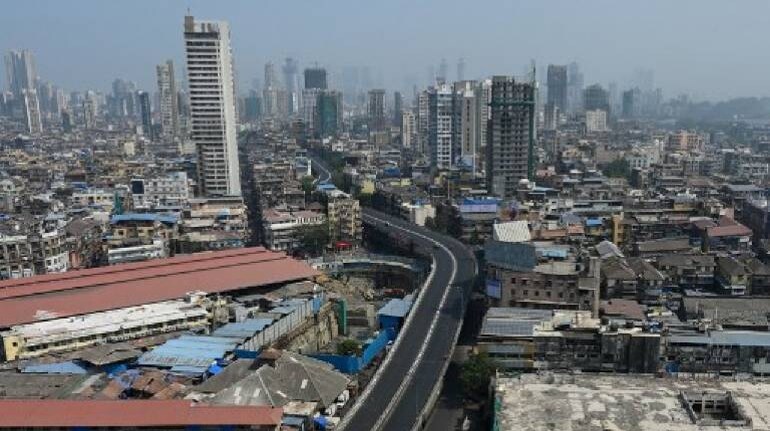
Vertical growth, one of the most defining characteristics of Indian urbanisation in over a decade, has become Indian real estate's latest COVID casualty. Among new projects launched since 2019, the share of high-rises has shrunk to 52% in 2021 against 63% in the pre-COVID year of 2019.
Of 1,178 projects launched in the top seven cities in 2021, as many as 614 were high-rises of G+10 floors or more. In 2019, over 603 of 960 projects were high-rises. Newly launched projects include apartments, villas and row houses, and independent floors, an analysis by Anarock Property Consultants has said.
In 2020, as many as 291 (60%) of 486 residential projects launched in the top seven cities were high-rises.
NCR witnessed the most notable change in new project typologies. Of 62 new projects launched in NCR in 2021, around 39 (63%) were high-rises - denoting a 32% decline since 2019.
In 2019, among a similar number of new projects (61), a significant 95% (58 projects) were high-rises. The growing consumer preference for independent floors since the pandemic shows no signs of relenting, particularly in key markets of Gurugram and Faridabad, Anarock said.
Predictably, land-starved Mumbai Metropolitan Region (MMR) has seen a much lower change in the total share of the high-rises. Of 421 projects launched in the region in 2021, nearly 263 (62%) projects were high-rises. In 2019, of 360 projects launched, 250 (69%) were high-rises.
While apartments continue to dominate new supply, MMR is witnessing a marked increase in the launch of smaller low-rise buildings in 2021. In 2021, MMR saw approximately 56,880 units launched in 421 projects. The year 2019 saw more units launched - about in over 360 projects.
In southern cities, the high-rise culture is declining while demand for plotted developments has been on the rise after COVID. Many developers have begun focusing on plotted development projects. In the three key south cities Bengaluru, Chennai and Hyderabad, approximately 383 projects were launched in 2021, of which 118 projects (31%) were high-rises. In 2019, of 307 projects launched, 109 (36%) were high-rises.
Of 103 projects launched in Chennai in 2021, a mere 10 projects were high-rises. In Bengaluru, of 140 projects launched last year, 51 projects (36%) were high-rises and in Hyderabad, of 140 projects launched, 57 were high-rises.
“We are seeing a clear shift in homebuyer preferences towards independent floors in key NCR markets like Faridabad and Gurugram. The trend in the key southern cities of Bengaluru, Hyderabad, and Chennai is towards plotted developments. The supply share of high-rise projects has been on a y-o-y decline since 2019,” said Anuj Puri, chairman, ANAROCK Group.
“In the key western cities of MMR and Pune, we are seeing supply trends shifting towards smaller, lower-rise projects of more than 100 units. The new demand realities of the COVID pandemic towards low-saturation housing projects aside, both the completion timelines and capital requirements for smaller projects are much lower.”
Discover the latest Business News, Sensex, and Nifty updates. Obtain Personal Finance insights, tax queries, and expert opinions on Moneycontrol or download the Moneycontrol App to stay updated!
Find the best of Al News in one place, specially curated for you every weekend.
Stay on top of the latest tech trends and biggest startup news.