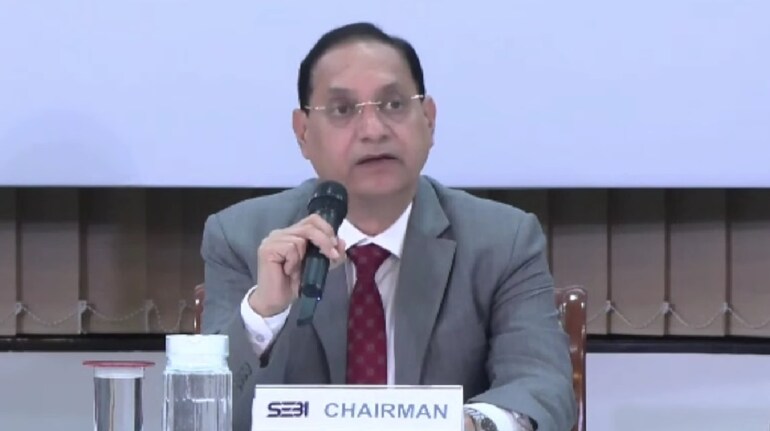
The Securities and Exchange Board of India (SEBI) has approved a set of reforms aimed at rationalising the regulatory framework for Angel Funds under the Alternative Investment Fund (AIF) Regulations. This move announced as a part of SEBI's June 18 board meeting is intended to enhance ease of doing business and facilitate capital flow into start-ups, particularly in light of the recent abolition of the Angel Tax.
After reviewing feedback from various stakeholders, SEBI decided to retain Angel Funds within the AIF framework while introducing significant changes to simplify compliance and expand fundraising flexibility.
One of the major changes approved by the Board is the requirement for all investors in Angel Funds to be Accredited Investors (AIs). Currently, investors are qualified as Angel Investors based on self-declared thresholds defined in 2013, such as a minimum net worth of Rs 2 crore for individuals and Rs 10 crore for corporates. However, these thresholds have not been updated in over a decade, and there is no independent verification process in place.
Under the new regime, the regulator noted that AIs will undergo a more rigorous and independently verified process, with financial thresholds that reflect current market conditions.
SEBI has already made the AI process simpler, including reduced documentation requirements, and a consultation paper on further easing the process which was released yesterday.
To support this transition, SEBI will grandfather earlier investments made by non-AI investors and provide a one-year glide path for full compliance. Additionally, the SEBI Board has approved an amendment to the Issue of Capital and Disclosure Requirements (ICDR) Regulations to recognise Accredited Investors as Qualified Institutional Buyers (QIBs) solely for investments into Angel Funds. This will allow Angel Funds to reach a wider base of verified investors while remaining compliant with the Companies Act, which restricts offers to a large number of investors unless they are QIBs.
The minimum and maximum investment thresholds per investee company have also been revised from Rs 25 lakh to Rs 10 crore to Rs 10 lakh–Rs 25 crore. The current cap that restricts any single investment to not exceed 25% of the fund’s total investments has been removed. Further, Angel Funds can now pool contributions from more than 200 Accredited Investors in a single investment. They will also be allowed to make follow-on investments in companies that may no longer qualify as start-ups.
To ensure fairness, Angel Funds will be required to present each investment opportunity to all their investors and must allocate investments among consenting investors as per a pre-disclosed method outlined in their Private Placement Memorandum (PPM).
Disclaimer: The views and investment tips expressed by investment experts on Moneycontrol.com are their own and not those of the website or its management. Moneycontrol.com advises users to check with certified experts before taking any investment decisions.
Discover the latest Business News, Sensex, and Nifty updates. Obtain Personal Finance insights, tax queries, and expert opinions on Moneycontrol or download the Moneycontrol App to stay updated!

Find the best of Al News in one place, specially curated for you every weekend.
Stay on top of the latest tech trends and biggest startup news.