Neeru Bhatt, a 22-year-old marketing employee at an events management company, says her manager does not allow her time off when she is on her monthly period. “Yeh toh har mahine hoga (It will happen every month), how can you keep taking leave,” is the manager’s typical response.
This is Bhatt’s first job. She finds the manager’s lack of empathy surprising because the latter, too, is a woman.
“Why is this (time off for women when they have their period) not being discussed at workplaces or is not a standard norm yet,” Bhatt asked.
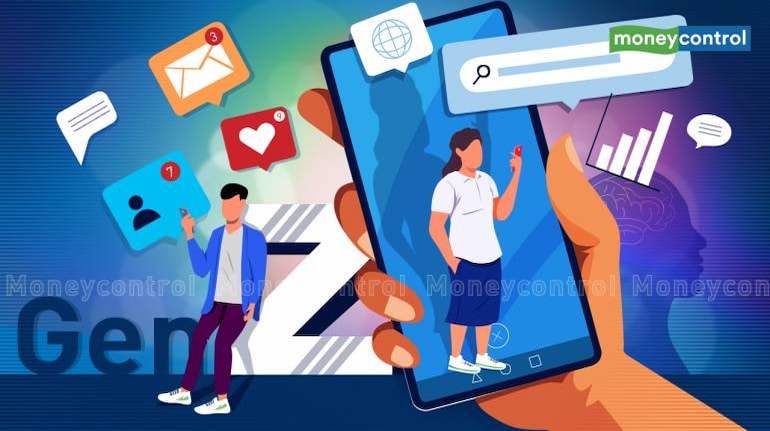
Bhatt is not alone. The older lot of Gen Z, those born between 1997 and 2012 and raised on the Internet and social media, self-confident and assertive, are increasingly asking discomfiting questions that company executives are finding difficult to answer.
“Why should I be paid so less if I am this qualified?”
“You don’t want to listen to my idea? No problem, someone else will.”
“What cause do you support? Why is there not enough diversification in the company?”
“Why is my manager OK with sexist jokes in meetings?”
These are some of the questions these youngsters, who are also increasingly choosy about the companies and colleagues they work with, are raising.
“Most of us joined our first job during the pandemic. So, even before joining I started checking the team and my would-be manager on LinkedIn so I know what kind of environment and people I will be working with,” said Bhatt.
Social media attitudes
Shruti Sharma, 23, is equally picky.
“It’s very important to see what kind of content the company or your manager supports on social media, especially on LinkedIn and Twitter. If he or she likes an insensitive joke or post, it speaks quite a lot about the individual and what it will be like to work with him or her,” Sharma added, who asked to be identified using a pseudonym to protect her privacy.
Working hours, workforce diversification, attitude towards the lesbian, gay, bisexual and transgender community and company goals are some of the criteria that she will prioritise along with job roles and salary package.
In a survey on members of the millennial and Gen Z generations published this year, consulting company Deloitte said 22 percent of the latter have boycotted a company because its views or behaviour did not align with their own attitudes.
“Validation for our thoughts and ideas on these online networks is very important for us. Reels take precedence over our real lives sometimes,” said Bhatt.
These young people not only see their online persona as an extension of their identity but also find it very important to be vocal and assertive on these platforms so they are accepted and liked by peer groups.
Generation gap
“Building an online persona comes very naturally to them as they have grown up using these platforms. But while they find the online world easier, they also deal with a lot of generation gap at home with parents, elder siblings or cousins as many times they fail to relay their thoughts and ideas,” says Mumbai-based counselling psychologist Ishita Pateria.
Earlier, the generation gap used to be considered to be over a decade. Today, it's just five years because society and its beliefs and attitudes are constantly changing.
Members of this generation are challenging the norms that were once taken for granted, but they also find it easy to talk about it with psychologists and counsellors.
“They are quite open to sharing their problems, which was not the case earlier. While anxiety has generally increased among the youngsters today, they are ready to discuss it. From body issues and low confidence, lack of self-worth, competitive environment, societal pressures, workplace problems, loneliness, relationship issues, they are talking about it all,” said Pateria.
The Deloitte report found that overall stress and anxiety levels among Indian millennials were higher than the global average. The Indian Gen Zs feel as anxious or stressed as the global average. Sixty percent of millennials and 50 percent of Gen Z in India feel personally discriminated against all the time or frequently on social media, mostly because of their background.
This generation tends to feel outrage and disappointment and blame governments, non-government organisations (NGOs), and previous generations for not doing enough to address such issues
“Be it political, economical, health, social, this generation has seen a progressive decline and is filled with rage, that is why it has come to this point,” said 26-year-old social psychologist Hansit Deb, who works as a mental health professional with Being, a mental health app.
“The 70s and 80s generation were hopeful about their future but that is not the case today. While we have advanced technologically, they are uncertain about their future which has been a major factor for the detriment of mental health,” he added.
Founders’ take
“If they have a dance or a yoga class, they adjust their work, but do not compromise with their passion,” added Shreyas Hegde, co-founder and CEO of Viral Fission, a community platform that connects young consumers with brands.
These youngsters also like to experiment with various roles at the same time and then decide which one to pursue, he added.
A few company founders who did not wish to be identified said they were not comfortable working with Gen Z. Members of this generation are not ready to work after a specific time and are also vocal about their personal commitments even in the middle of the week, they said.
“Passion is their priority and they are not ready to compromise with it,” added Hegde.
A founder also said scaling a start-up becomes very difficult if employees are not ready to work when they are needed to or not willing to take the pressure that comes with responsibility.

According to the EY analysis of World Bank Population Projections and Estimates data for 2020, the next decade will be shaped by the maturation of Generation Z, the largest generational cohort in history. Further, India stands out with a population that includes 375 million people -27% of the total — in Gen Z.
Going forward, psychologist Pateria says Gen Z will need to understand what work life entails but at the same time companies also need to look at their employees' work-life balance. "Startups also need to look at the employees' mental health as the pressure today is immense. As a result, even Gen Z will be willing to do more," says Pateria.
Discover the latest Business News, Sensex, and Nifty updates. Obtain Personal Finance insights, tax queries, and expert opinions on Moneycontrol or download the Moneycontrol App to stay updated!

Find the best of Al News in one place, specially curated for you every weekend.
Stay on top of the latest tech trends and biggest startup news.