



Moneycontrol PRO
HomeNewsBusinessCOVID-19 treatment | Gilead to begin clinical trials of inhaled version of remdesivir

COVID-19 treatment | Gilead to begin clinical trials of inhaled version of remdesivir

Gilead Sciences says it also expects to supply remdesivir to treat more than two million COVID-19 patients by year-end.

June 23, 2020 / 10:16 IST
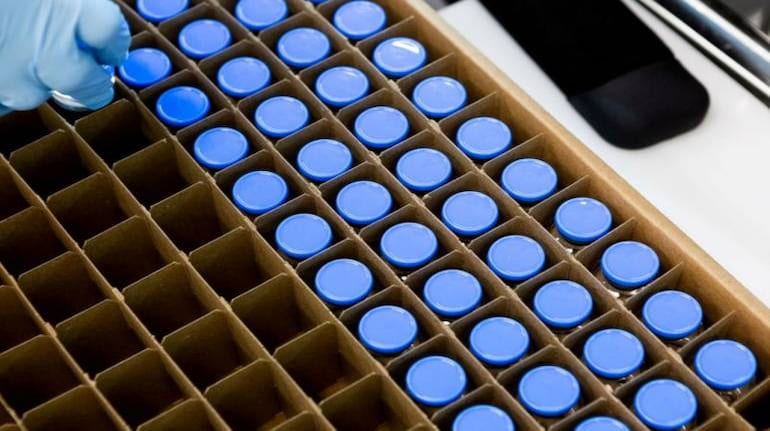
Representative image

Gilead Sciences will begin clinical trials for an inhaled version of its antiviral drug remdesivir in August, the US drugmaker announced on June 22.

Remdesivir, which is being used to treat seriously ill patients, is currently administered only intravenously and an inhaled version will be easier to use. The biotech company said the drug cannot be administered in a pill form because its chemical composition would impact the liver.

The company said that the inhaled version would be administered through a nebulizer, a device that turns liquid medicines into mist.

“An inhaled formulation would be given through a nebulizer, which could potentially allow for easier administration outside the hospital, at earlier stages of disease. That could have significant implications in helping to stem the tide of the pandemic,” Gilead Sciences’ Chairman and Chief Executive Officer (CEO) Daniel O’Day said in an open letter.

The pharmaceutical company also said it expects to be able to supply enough of remdesivir by year-end to treat more than two million COVID-19 patients, more than double its previous target of a million.

COVID-19 Vaccine

Frequently Asked Questions

View more
How does a vaccine work?

A vaccine works by mimicking a natural infection. A vaccine not only induces immune response to protect people from any future COVID-19 infection, but also helps quickly build herd immunity to put an end to the pandemic. Herd immunity occurs when a sufficient percentage of a population becomes immune to a disease, making the spread of disease from person to person unlikely. The good news is that SARS-CoV-2 virus has been fairly stable, which increases the viability of a vaccine.

How many types of vaccines are there?

There are broadly four types of vaccine — one, a vaccine based on the whole virus (this could be either inactivated, or an attenuated [weakened] virus vaccine); two, a non-replicating viral vector vaccine that uses a benign virus as vector that carries the antigen of SARS-CoV; three, nucleic-acid vaccines that have genetic material like DNA and RNA of antigens like spike protein given to a person, helping human cells decode genetic material and produce the vaccine; and four, protein subunit vaccine wherein the recombinant proteins of SARS-COV-2 along with an adjuvant (booster) is given as a vaccine.

What does it take to develop a vaccine of this kind?

Vaccine development is a long, complex process. Unlike drugs that are given to people with a diseased, vaccines are given to healthy people and also vulnerable sections such as children, pregnant women and the elderly. So rigorous tests are compulsory. History says that the fastest time it took to develop a vaccine is five years, but it usually takes double or sometimes triple that time.

View more
Show
Follow our LIVE blog for the latest updates of the novel coronavirus pandemic

Remdesivir is considered to be at the forefront in the fight against the novel coronavirus, which causes the respiratory illness COVID-19, after the drug helped shorten hospital recovery times in a clinical trial.

Producing and supplying billions of doses remains a major challenge as the virus has infected over nine million people globally, overwhelming healthcare systems around the world.

On June 20, India's drug regulator gave permission to Hetero and Cipla to manufacture and market remdesivir for "restricted emergency use" among hospitalised COVID-19 patients.

Cipla launched its version of remdesivir 100 mg vial under the brand name CIPREMI, while Hetero's product will be sold as COVIFOR.

Also read | 5-day coronavirus treatment to cost no more than Rs 30,000: Hetero

Cipla did not disclose the price. Hetero said a vial would be priced at Rs 5,000-Rs 6,000 per vial, saying it wanted to ensure the five-day treatment or six vials should not cost more than Rs 30,000 per patient.

Click here for Moneycontrol’s full coverage of the novel coronavirus pandemic
Moneycontrol News
first published: Jun 23, 2020 10:16 am

Discover the latest Business News, Sensex, and Nifty updates. Obtain Personal Finance insights, tax queries, and expert opinions on Moneycontrol or download the Moneycontrol App to stay updated!

Subscribe to Tech Newsletters

  • On Saturdays

    Find the best of Al News in one place, specially curated for you every weekend.

  • Daily-Weekdays

    Stay on top of the latest tech trends and biggest startup news.

Advisory Alert: It has come to our attention that certain individuals are representing themselves as affiliates of Moneycontrol and soliciting funds on the false promise of assured returns on their investments. We wish to reiterate that Moneycontrol does not solicit funds from investors and neither does it promise any assured returns. In case you are approached by anyone making such claims, please write to us at grievanceofficer@nw18.com or call on 02268882347
