




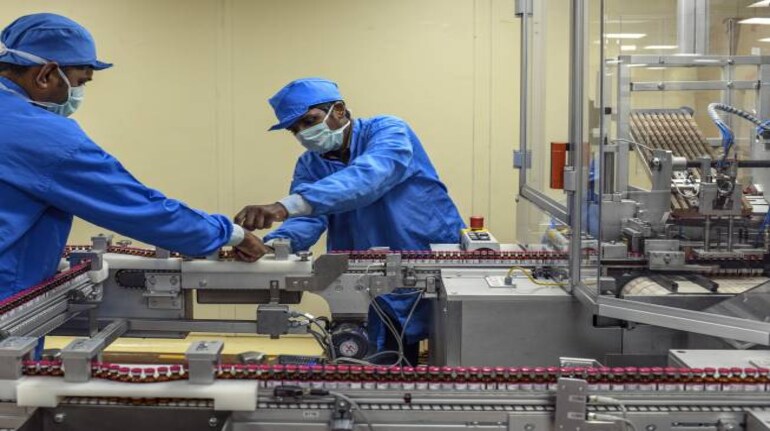
To be sure, SII is the largest vaccine maker in the world by volume, with a strong track record of regulatory and quality compliance and industrial safety.
"If you have a facility where let's say an expansion or construction is going on then one can understand that it is new facility, but this is a facility which has been producing rotavirus vaccine -- there could be some renovation, repair or expansion that might have been going on; we don't have exact details, but this (fire) is quite unusual," said Davinder Gill, former CEO of Hilleman Laboratories. Gill was previously global head of Biotherapeutics at Pfizer.Gill explains that unlike the pharmaceutical industry, especially bulk drug units that have chemical reactors involving risky chemical reactions that are prone to fire accidents, vaccine facilities have bioreactors to grow microorganisms and are generally safe from a fire standpoint. But they also have tanks that hold solvents and buffers."The inflammable thing that vaccine manufacturing uses is ethanol (alcohol), and the manufacturers are trying to limit or eliminate the use of it," Gill said.
Ethanol is used as a solvent in certain vaccines like Haemophilus influenzae type B HIB, for precipitation of DNA (or washing) in vaccine manufacturing.
Another top executive of a vaccine company who didn't want to be named said that he was surprised at the intensity of the fire."We still don't have details, electrical fault is claimed as a possible reason. Electric short circuits or build-up of static electricity can happen, but are rare," the executive said."This isn't any old legacy plant; it is a newly built state-of-the-art manufacturing site making WHO prequalified vaccines - there will be a fire safety plan. Even the workers couldn't escape from fire to safety is both sad and bizarre," the executive added.Accident or Sabotage?Experts say the companies that are making COVID-19 vaccines can be highly vulnerable targets for cyber attacks and other sophisticated attempts of sabotage."I think we have to be careful not to rush to conspiracy theories, but those investigating should examine the angle of sabotage, given the circumstances that we live in," Gill said.The vaccine executive quoted above said that when he saw the visuals of the fire at the SII plant on TV, the first thing he did was to immediately call his relevant department head and instructed him to beef up the security at the plants."Security and surveillance at vaccine manufacturing plants are taken very seriously because we deal with biohazard material," the executive said.
Discover the latest Business News, Sensex, and Nifty updates. Obtain Personal Finance insights, tax queries, and expert opinions on Moneycontrol or download the Moneycontrol App to stay updated!
Find the best of Al News in one place, specially curated for you every weekend.
Stay on top of the latest tech trends and biggest startup news.




