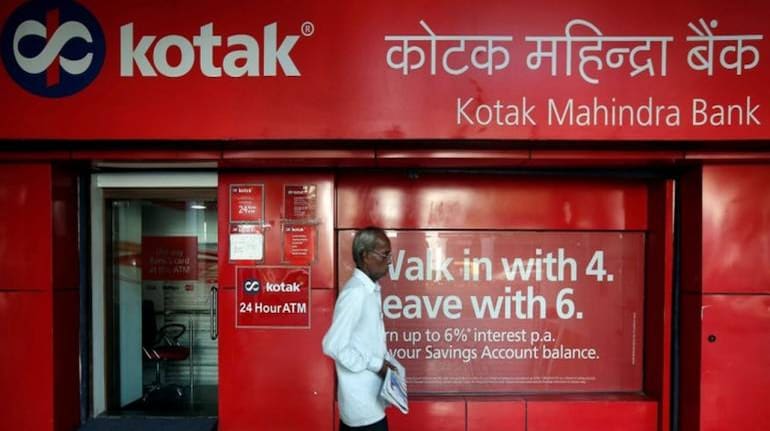
When a bank like Kotak Mahindra, having a strong capital position, reports a significantly lower loan growth that poses some questions about the operating environment. Kotak Q3 loan growth was slowed to 10.3 percent in December quarter compared with 15.3 percent sequentially. That sort of decline isn’t usual for Kotak, analysts note. What is the message here?
“The overall tone is that of caution. Loan growth has come down and stress levels have inched up. The bank tends to be selective on credit growth,” said Sidhharth Purohit, analyst at SMC Global Securities, adding he didn’t have a rating on the bank. Gross slippages of the bank jumped up to 2.46 percent from to 2.32 percent in the quarter ended September. Net NPA ratio stood at 0.89 percent versus 0.85 percent.
It is not just Kotak. One clear trend that can be derived from the earnings of banks that have reported Q3 numbers so far is that stress is building up on their books. And in a slowing economy, lenders prefer to grow their corporate loan book at a slower pace to avoid further shocks.
NPAs inch up
Even HDFC Bank, which had posted results over the weekend said its gross slippages had inched up. The bank didn’t disclose which sectors have contributed to fresh slippages of about Rs1,500 crore in the third quarter. Gross NPAs stood at 1.42 percent.
But the exception here is that despite the subdued macro environment, HDFC Bank still surprised with a decent 20 percent loan growth.
The story on asset quality is not so different at Karnataka Bank, where quarterly gross NPAs inched up to 4.99 percent from 4.78 percent in the preceding quarter. In the absolute terms, gross NPAs rose to Rs 2,777.5 crore and net NPA increased to Rs 2,058.4 crore. Loans rose roughly 6 percent to Rs 54,911 cr.
According to a note by Centrum Institutional research, the rise in slippages in Q3 to the tune of Rs637 crore compared with Rs 531 crore on a quarter-on-quarter basis came from four large NBFC accounts amounting to Rs247 crore, of which one HFC was Rs163 crore.
Federal Bank is another lender which has felt the heat of demand slump and chose to lend cautiously. “Overall loan growth slipped further to 13% YoY, mainly due to the conscious slowdown in the corporate book,” said Emkay analysts in a note.
What it means for the economy?
As former RBI deputy governor, K C Chakrabarty said, the banking sector is a proxy for the economy and it is impossible for banks to outperform the economy, particularly in a downturn. If they try to do that, it could create problems. So the safer strategy is to avoid bad loans even if it means having to sacrifice profits, and wait for the weather to clear. That’s precisely what happening right now. RBI, in its latest Financial Stability report, had cautioned on an uptick in the NPAs.
One needs to wait for more bank earnings to derive the larger trend. But one thing is sure. A number of large corporate accounts and NBFCs are likely to be tagged under the stressed category when big corporate-lenders like Yes Bank report their third quarter numbers.
The key takeaway from the earnings announced so far is this: the economic slowdown is hurting the pr banks. Most of the large bad loan accounts may get adjusted in the third and fourth quarters, but the real challenge for banks will be to expand their loan book, which in turn will help increase profits.
Banks are justified in their strategy of choosing survival over growth at this stage, and going slow on corporate loans. But that has the potential to set off a vicious cycle as lack of funding aggravates the problems at many firms and deepens the gloom in the economy.That’s the bad news.

Discover the latest Business News, Sensex, and Nifty updates. Obtain Personal Finance insights, tax queries, and expert opinions on Moneycontrol or download the Moneycontrol App to stay updated!

Find the best of Al News in one place, specially curated for you every weekend.
Stay on top of the latest tech trends and biggest startup news.