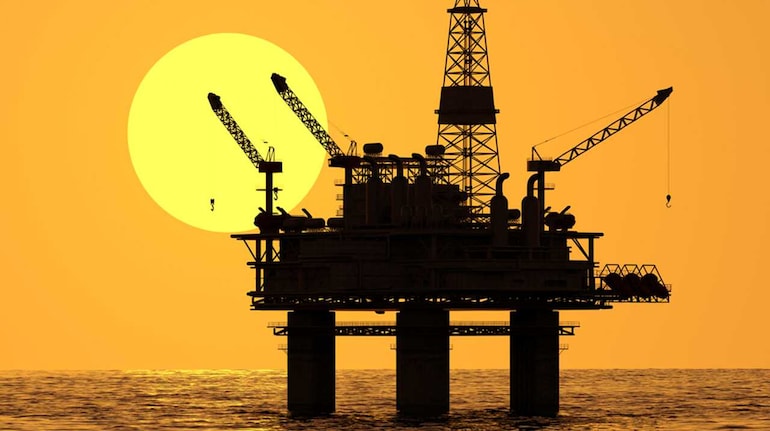
Oil prices could surge by $20 per barrel if Iranian production is disrupted, according to Goldman Sachs, as reported by CNBC. On October 3, US crude futures rose about 5% and continued to climb on October 4 amid concerns that Israel might target Iran’s oil industry following a missile attack from Tehran.
Goldman Sachs’ co-head of global commodities research, Daan Struyven, told CNBC that a sustained drop of 1 million barrels per day in Iranian output could push oil prices up by around $20 per barrel next year. This estimate assumes that the oil cartel OPEC+ does not respond by increasing production. If major OPEC+ members like Saudi Arabia and the UAE compensate for the production loss, the price increase might be less than $10 per barrel.
Also Read | Middle East tension unlikely to impact RBI projections on inflation, say experts
Since the onset of the Israel-Hamas conflict on October 7 of last year, the oil market has experienced limited disruptions, largely due to increased US production and sluggish demand from China. However, recent events have shifted market sentiment. Following Iran's ballistic missile attack on Israel, US crude prices have seen three consecutive days of gains, with analysts warning of a potential threat to oil supply, the CNBC report added.
Iran, a key player in the global oil market, produces nearly 4 million barrels per day. If Israel targets Iran’s oil infrastructure, approximately 4% of the world’s oil supply could be at risk. Analysts are particularly concerned about Kharg Island, which is responsible for 90% of Iran's crude exports.
Also Read | Resilient Indian economy needs no urgent action on crude price rally, says govt official
President Joe Biden recently indicated that the US is discussing the potential implications of an Israeli strike on Iranian oil facilities. Analysts suggest that his comments may have contributed to rising oil prices.
In a note published on Wednesday, Fitch Solutions’ BMI stated that if a full-scale war were to erupt, Brent crude prices could exceed $100 per barrel, with prices possibly soaring to $150 per barrel or more if the Strait of Hormuz is affected, CNBC added. While the likelihood of a full-scale war is considered low, the risk of a misstep by either side has increased.
Though some analysts believe OPEC+ has sufficient spare capacity to mitigate the impact of a disruption in Iranian exports, the global spare oil capacity is heavily concentrated in the Middle East, particularly among Gulf states, which could be vulnerable if the conflict escalates.
Discover the latest Business News, Sensex, and Nifty updates. Obtain Personal Finance insights, tax queries, and expert opinions on Moneycontrol or download the Moneycontrol App to stay updated!

Find the best of Al News in one place, specially curated for you every weekend.
Stay on top of the latest tech trends and biggest startup news.