-
My Account











What really causes gastritis? Signs, triggers and treatment guide
Gastritis is inflammation of the stomach lining caused by H. pylori infection, autoimmune issues, stress, alcohol, or NSAIDs. It may be acute or chronic, presenting with epigastric pain, nausea, or bleeding. Diagnosis is by endoscopy. Management includes avoiding irritants, reducing stress, practising good hygiene, and maintaining healthy eating habits




1/10
What is Gastritis
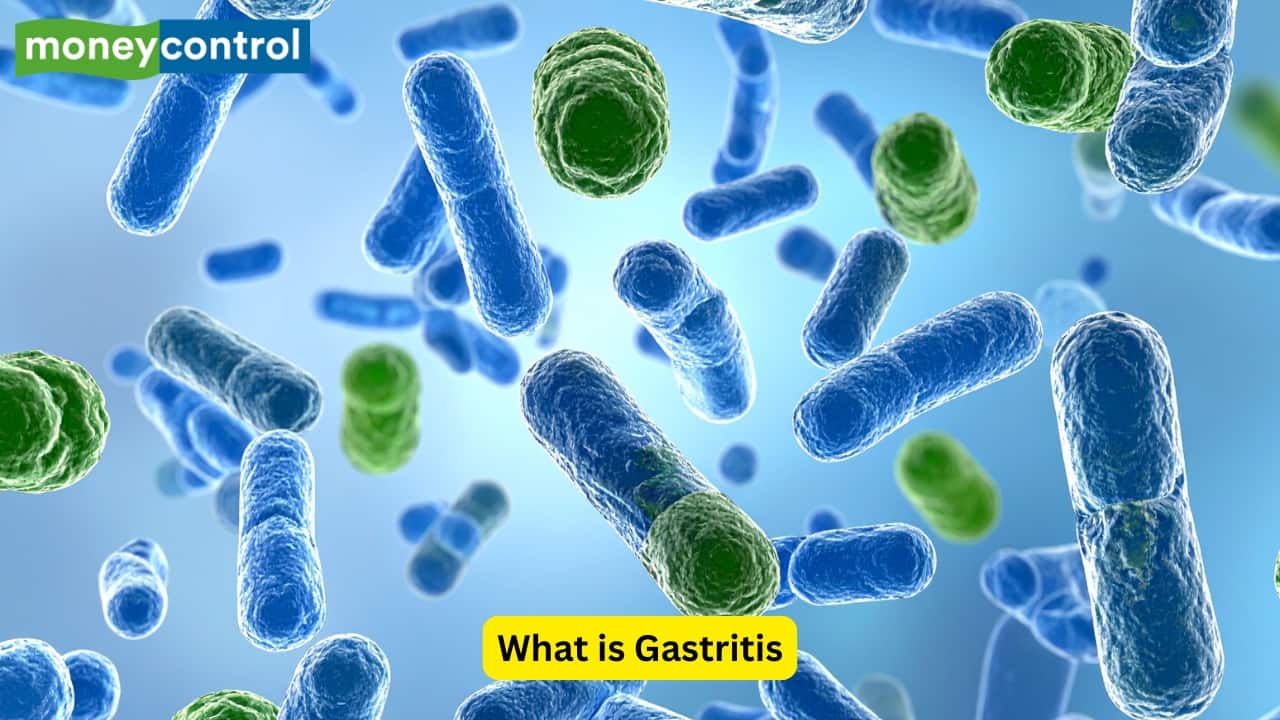
Acute or long-term inflammation of the stomach is referred to as gastritis. It is often a result of an imbalance between the defence offered by the mucosa and factors like acid, pepsin, infections and certain drugs. The severity may range from asymptomatic gastritis to atrophic changes in the stomach. (Image: Canva)
Acute or long-term inflammation of the stomach is referred to as gastritis. It is often a result of an imbalance between the defence offered by the mucosa and factors like acid, pepsin, infections and certain drugs. The severity may range from asymptomatic gastritis to atrophic changes in the stomach. (Image: Canva)
2/10
Major Causes and Triggers
Gastritis may be due to autoimmune causes or occur because of a bacterium called Helicobacter pylori. Other causes include excessive stress and the use of non-steroidal anti-inflammatory drugs (NSAIDs). Alcohol and bacterial toxins can also lead to this condition. (Image: Canva)
Gastritis may be due to autoimmune causes or occur because of a bacterium called Helicobacter pylori. Other causes include excessive stress and the use of non-steroidal anti-inflammatory drugs (NSAIDs). Alcohol and bacterial toxins can also lead to this condition. (Image: Canva)
3/10
Acute Gastritis Irritant Effects
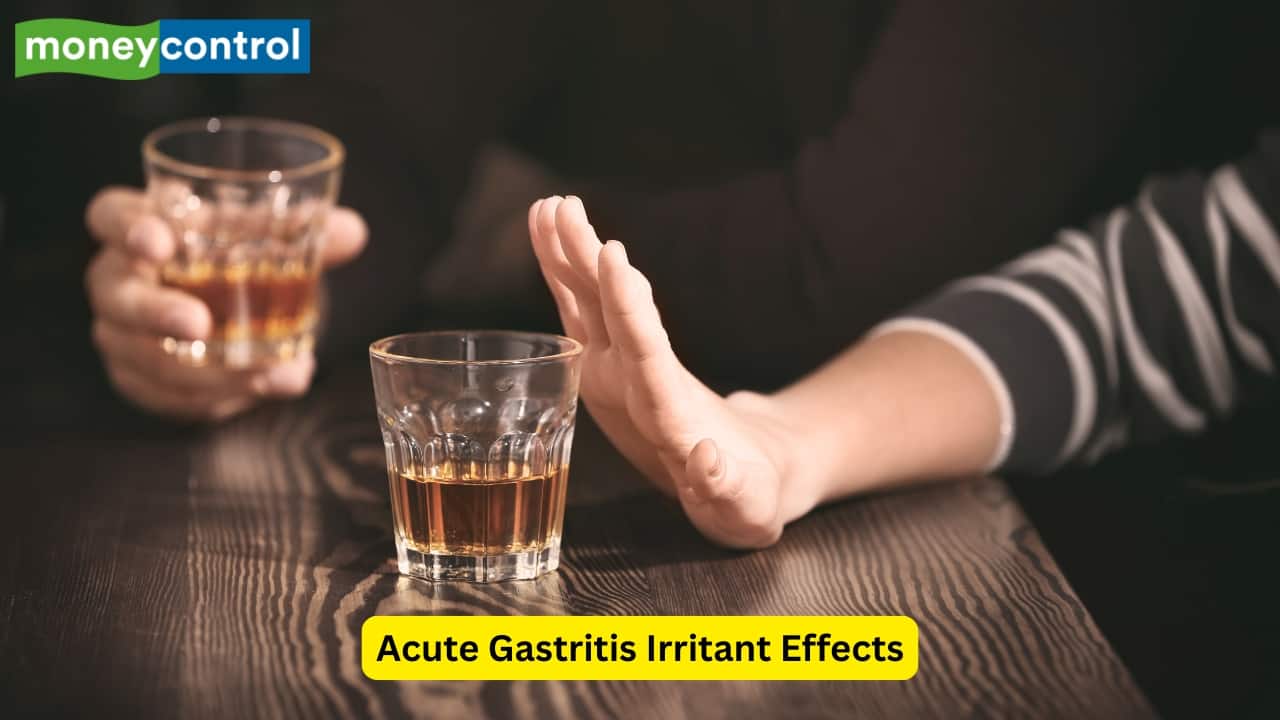
Acute gastritis often results from direct irritation by medications like NSAIDs or consumption of alcohol. These irritants disrupt the tight junctions in the stomach and can cause oedema and even haemorrhage. In severe cases, gastrointestinal bleeding can occur. (Image: Canva)
Acute gastritis often results from direct irritation by medications like NSAIDs or consumption of alcohol. These irritants disrupt the tight junctions in the stomach and can cause oedema and even haemorrhage. In severe cases, gastrointestinal bleeding can occur. (Image: Canva)
4/10
Chronic Gastritis Progressive Injury
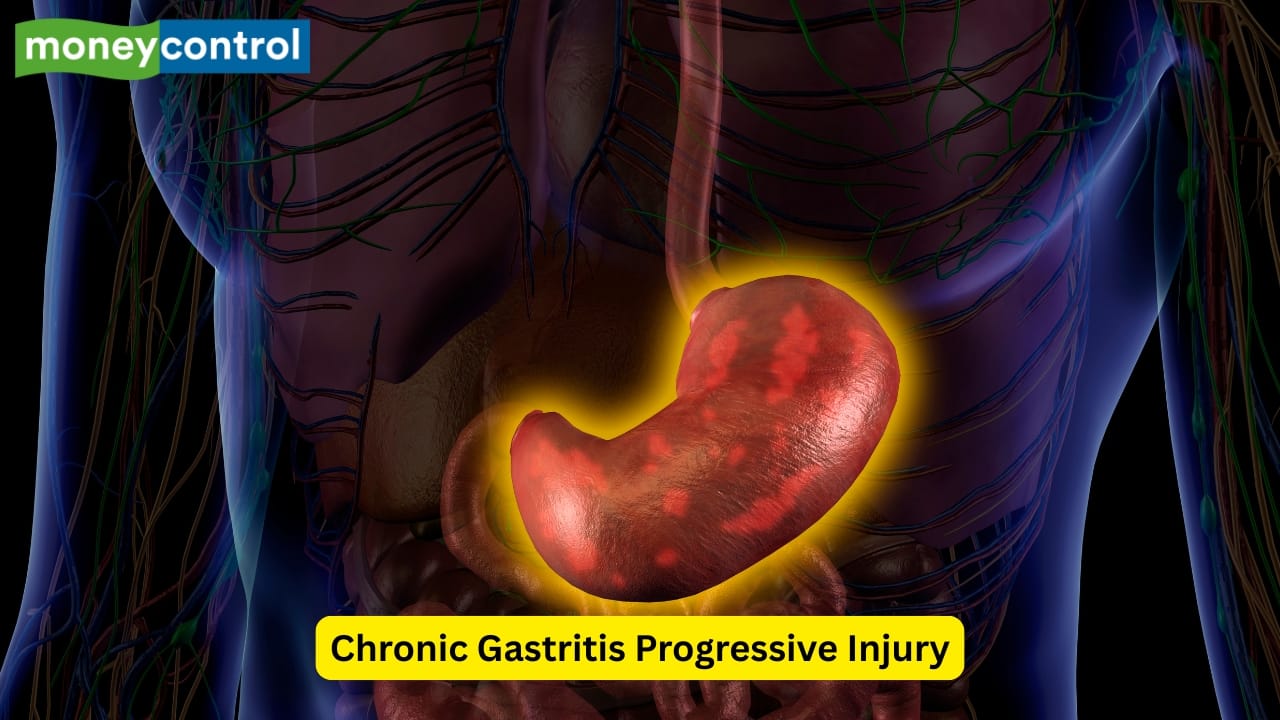
Long-term gastritis is caused due to persistent infection by Helicobacter pylori. Chronic injury to the gastric muscles leads to mucosal atrophy and loss of the glands present in the stomach. Such changes lead to a reduced production of the intrinsic factor, which in turn increases the risk of vitamin B12 deficiency. (Image: Canva)
Long-term gastritis is caused due to persistent infection by Helicobacter pylori. Chronic injury to the gastric muscles leads to mucosal atrophy and loss of the glands present in the stomach. Such changes lead to a reduced production of the intrinsic factor, which in turn increases the risk of vitamin B12 deficiency. (Image: Canva)
5/10
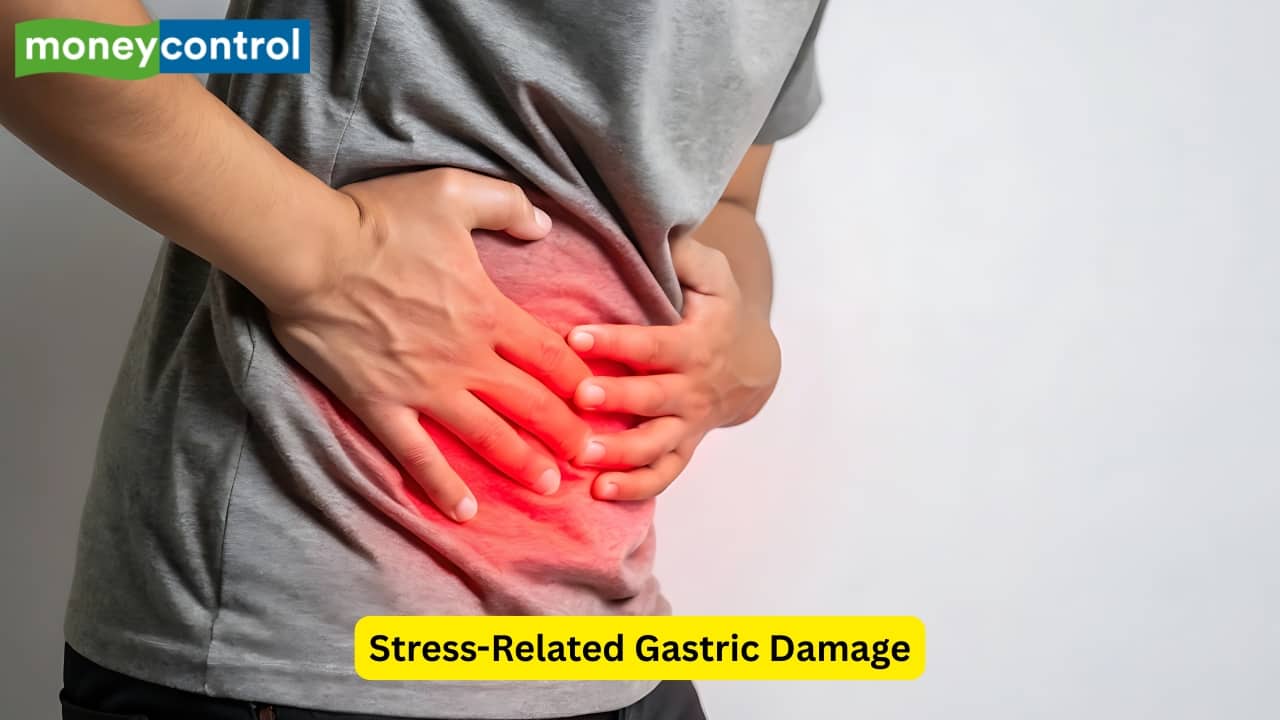
Stress-Related Gastric Damage
Stress-related gastritis has been found to be caused by physiological stress, like burns and sepsis, along with a history of a major surgery. If the blood flow to the mucosa of the stomach is affected, erosive injury can develop. In severe cases, occult bleeding may be seen. (Image: Canva)
Stress-related gastritis has been found to be caused by physiological stress, like burns and sepsis, along with a history of a major surgery. If the blood flow to the mucosa of the stomach is affected, erosive injury can develop. In severe cases, occult bleeding may be seen. (Image: Canva)
6/10
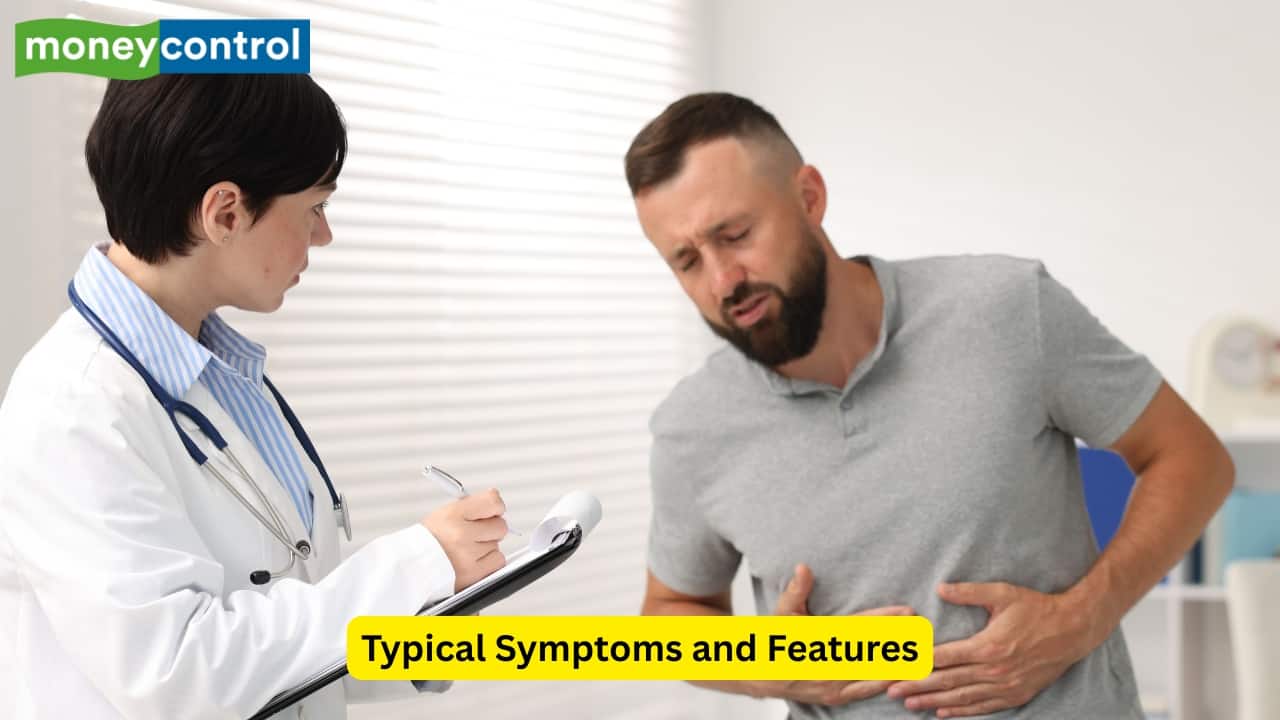
Typical Symptoms and Features
While some may not have any symptoms, others may experience pain in the epigastric area, along with burning and fullness. Other features include nausea and vomiting. Some may even experience hematemesis or melena (blackish stools). Those with chronic gastritis experience fatigue because of anaemia as well. (Image: Canva)
While some may not have any symptoms, others may experience pain in the epigastric area, along with burning and fullness. Other features include nausea and vomiting. Some may even experience hematemesis or melena (blackish stools). Those with chronic gastritis experience fatigue because of anaemia as well. (Image: Canva)
7/10
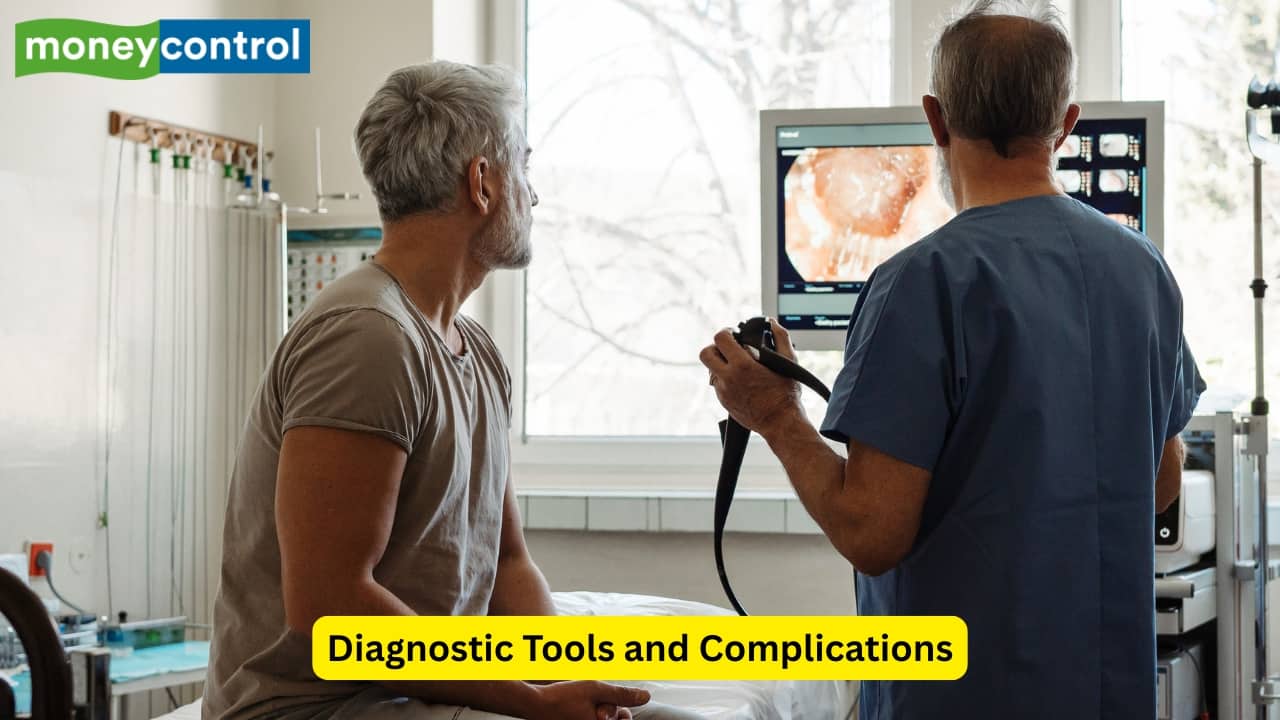
Diagnostic Tools and Complications
The gold standard for the diagnosis of gastritis is endoscopy, which may show erythema and erosions as well. A biopsy can confirm the histological type. If left untreated, gastritis can cause peptic ulcers and mucosal atrophy. Autoimmune gastritis can lead to pernicious anaemia. (Image: Canva)
The gold standard for the diagnosis of gastritis is endoscopy, which may show erythema and erosions as well. A biopsy can confirm the histological type. If left untreated, gastritis can cause peptic ulcers and mucosal atrophy. Autoimmune gastritis can lead to pernicious anaemia. (Image: Canva)
8/10

Dietary and Lifestyle Avoidances
It is advised to avoid non-steroidal anti-inflammatory drugs and alcohol. Spicy and acidic foods must be avoided as well. Proper handwashing technique is important, along with safe food practices, to prevent infection by Helicobacter pylori. (Image: Canva)
It is advised to avoid non-steroidal anti-inflammatory drugs and alcohol. Spicy and acidic foods must be avoided as well. Proper handwashing technique is important, along with safe food practices, to prevent infection by Helicobacter pylori. (Image: Canva)
9/10

Stress Reduction and Mucosal Care
High stress levels may increase acid production; hence, it is necessary to promote relaxation techniques and sleep hygiene. Exercising must also be included in the daily routine. It is also necessary to avoid smoking and alcohol, as they weaken the mucosal barrier. (Image: Canva)
High stress levels may increase acid production; hence, it is necessary to promote relaxation techniques and sleep hygiene. Exercising must also be included in the daily routine. It is also necessary to avoid smoking and alcohol, as they weaken the mucosal barrier. (Image: Canva)
10/10
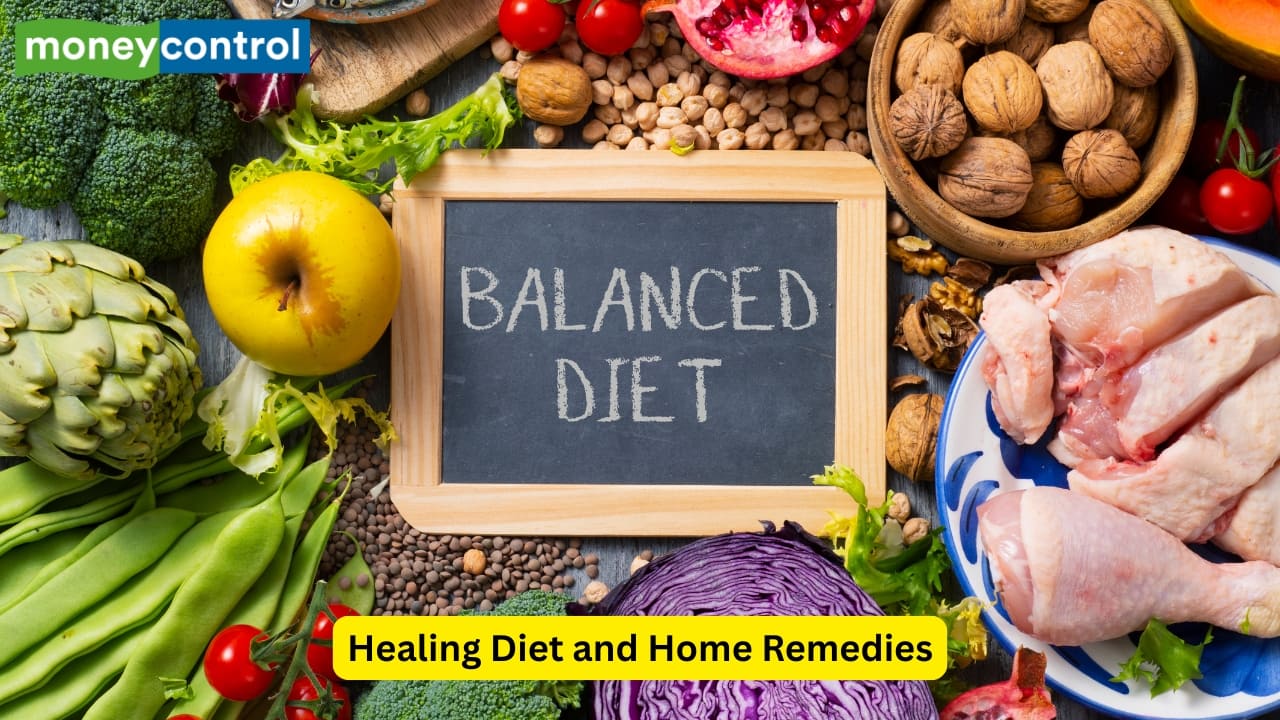
Healing Diet and Home Remedies
Eating a balanced diet and including non-greasy meals can promote healing. Some home remedies include sipping warm water and drinking ginger tea. Probiotics like curd and buttermilk also aid in improving gut health. Late-night meals must be avoided, and adequate hydration must be maintained. (Image: Canva)
Eating a balanced diet and including non-greasy meals can promote healing. Some home remedies include sipping warm water and drinking ginger tea. Probiotics like curd and buttermilk also aid in improving gut health. Late-night meals must be avoided, and adequate hydration must be maintained. (Image: Canva)
Discover the latest Business News, Budget 2025 News, Sensex, and Nifty updates. Obtain Personal Finance insights, tax queries, and expert opinions on Moneycontrol or download the Moneycontrol App to stay updated!



