-
My Account











Pancreatitis: All about this condition, causes, symptoms and remedial measures
Pancreatitis is inflammation of the pancreas caused by premature enzyme activation leading to autodigestion, swelling and necrosis. It commonly results from gallstones or alcohol use, and presents with severe epigastric pain radiating to the back, vomiting and systemic signs. Diagnosis uses amylase, lipase and imaging, and treatment focuses on fluids, pain relief and supportive care.




1/10

Inflammation from Enzyme Activation
Pancreatitis refers to the inflammation of the pancreas that occurs as a result of premature activation of the pancreatic enzymes. The activation causes the digestion of pancreatic tissues, which leads to autodigestion. It is followed by swelling and necrosis. (Picture Credit: Canva)
Pancreatitis refers to the inflammation of the pancreas that occurs as a result of premature activation of the pancreatic enzymes. The activation causes the digestion of pancreatic tissues, which leads to autodigestion. It is followed by swelling and necrosis. (Picture Credit: Canva)
2/10

Severity and Major Causes
Depending upon severity, it may either be mild and self-limiting, or may progress to severe and life-threatening diseases. One of the most common causes of acute pancreatitis is the presence of gallstones. Long-term consumption of alcohol is also one of the leading causes of
acute pancreatitis. (Picture Credit: Canva)
Depending upon severity, it may either be mild and self-limiting, or may progress to severe and life-threatening diseases. One of the most common causes of acute pancreatitis is the presence of gallstones. Long-term consumption of alcohol is also one of the leading causes of
acute pancreatitis. (Picture Credit: Canva)
3/10

Mechanism of Key Etiologies
The presence of gallstones causes an obstruction in the common duct, which leads to back flow of the enzymes. Excess alcohol may increase the viscosity of pancreatic secretions, and thus directly triggers cellular injury. Other causes like raised levels of calcium and triglycerides may also be etiological factors. (Picture Credit: Canva)
The presence of gallstones causes an obstruction in the common duct, which leads to back flow of the enzymes. Excess alcohol may increase the viscosity of pancreatic secretions, and thus directly triggers cellular injury. Other causes like raised levels of calcium and triglycerides may also be etiological factors. (Picture Credit: Canva)
4/10

Chronic Pancreatitis Progression Factors
Chronic pancreatitis is often a result of long-standing abuse of alcohol, which causes irreversible damage. It may also cause fibrosis and ductal distortion. Genetic disorders, cystic fibrosis and obstructive lesions have also been found to influence the development of this condition. (Picture Credit: Canva)
Chronic pancreatitis is often a result of long-standing abuse of alcohol, which causes irreversible damage. It may also cause fibrosis and ductal distortion. Genetic disorders, cystic fibrosis and obstructive lesions have also been found to influence the development of this condition. (Picture Credit: Canva)
5/10

Characteristic Abdominal Pain Pattern
One of the most significant symptoms of pancreatitis is severe pain in the epigastric region (upper part of the abdomen) which radiates to the back. Such pain is relieved on leaning forward. Other symptoms like persistent nausea and repeated vomiting are also experienced. (Picture Credit: Canva)
One of the most significant symptoms of pancreatitis is severe pain in the epigastric region (upper part of the abdomen) which radiates to the back. Such pain is relieved on leaning forward. Other symptoms like persistent nausea and repeated vomiting are also experienced. (Picture Credit: Canva)
6/10
Gastrointestinal and Systemic Features
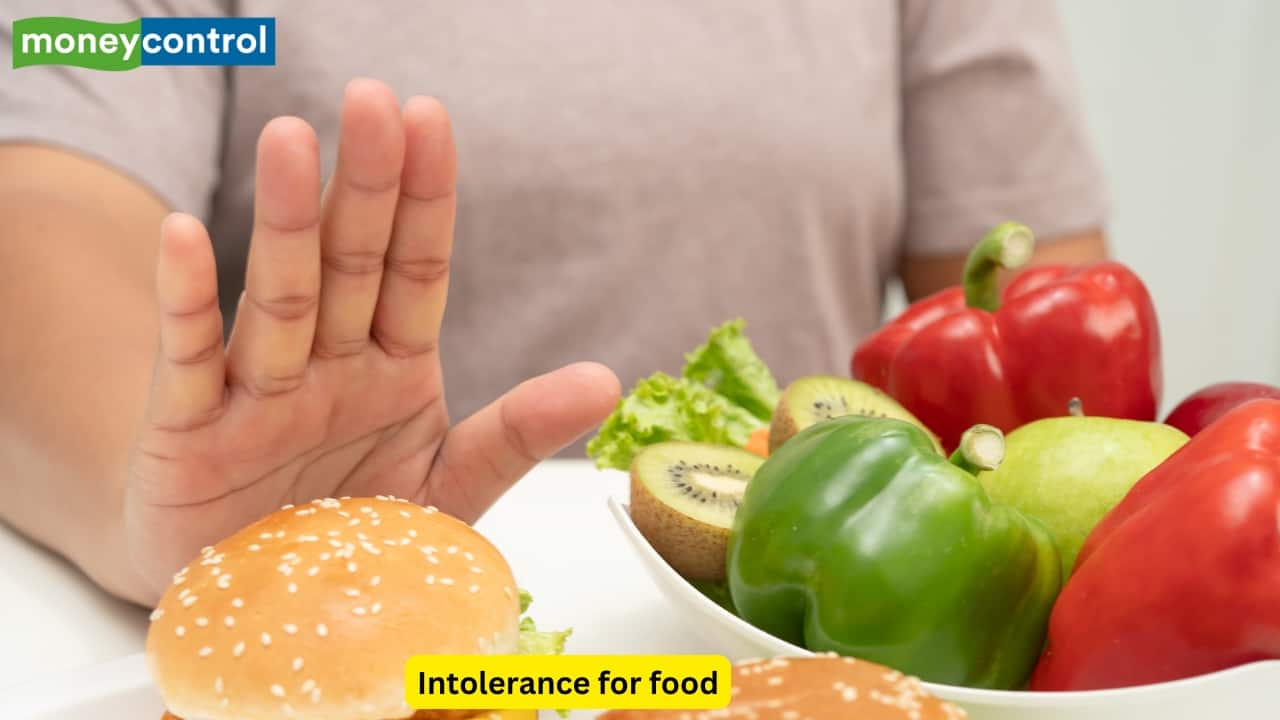
The person also shows features of abdominal distension and an inability to tolerate food. The pain in abdomen is usually acute in onset and follows a heavy meal or a binge of alcohol. Systemic features like fever and weakness are also commonly seen. (Picture Credit: Canva)
The person also shows features of abdominal distension and an inability to tolerate food. The pain in abdomen is usually acute in onset and follows a heavy meal or a binge of alcohol. Systemic features like fever and weakness are also commonly seen. (Picture Credit: Canva)
7/10

Physical Examination Findings
On physical examination, the healthcare provider may elicit signs like epigastric tenderness, guarding, and reduced sounds of bowel movement. In severe cases, an increased heart rate and a reduced blood pressure may be noted, along with signs of dehydration. (Picture Credit: Canva)
On physical examination, the healthcare provider may elicit signs like epigastric tenderness, guarding, and reduced sounds of bowel movement. In severe cases, an increased heart rate and a reduced blood pressure may be noted, along with signs of dehydration. (Picture Credit: Canva)
8/10

Skin Changes and Lab Markers
Changes in the skin of the flank area and discolouration near the belly button. When the cause is biliary obstruction, jaundice may be seen as well. Serum amylase and lipase are known to key markers for identifying pancreatitis. Lipase is more specific, and the liver function test may be advised as well. (Picture Credit: Canva)
Changes in the skin of the flank area and discolouration near the belly button. When the cause is biliary obstruction, jaundice may be seen as well. Serum amylase and lipase are known to key markers for identifying pancreatitis. Lipase is more specific, and the liver function test may be advised as well. (Picture Credit: Canva)
9/10

Imaging for Definitive Assessment
An ultrasound may be essential for detecting gallstones. A contrast-enhanced CT scan is the gold standard for assessing the severity of the condition. It also aids in identifying evidence of necrosis and fluid collection, along with complications. An endoscopic ultrasound may be recommended in some cases. (Picture Credit: Canva)
An ultrasound may be essential for detecting gallstones. A contrast-enhanced CT scan is the gold standard for assessing the severity of the condition. It also aids in identifying evidence of necrosis and fluid collection, along with complications. An endoscopic ultrasound may be recommended in some cases. (Picture Credit: Canva)
10/10
Initial Supportive Management Steps
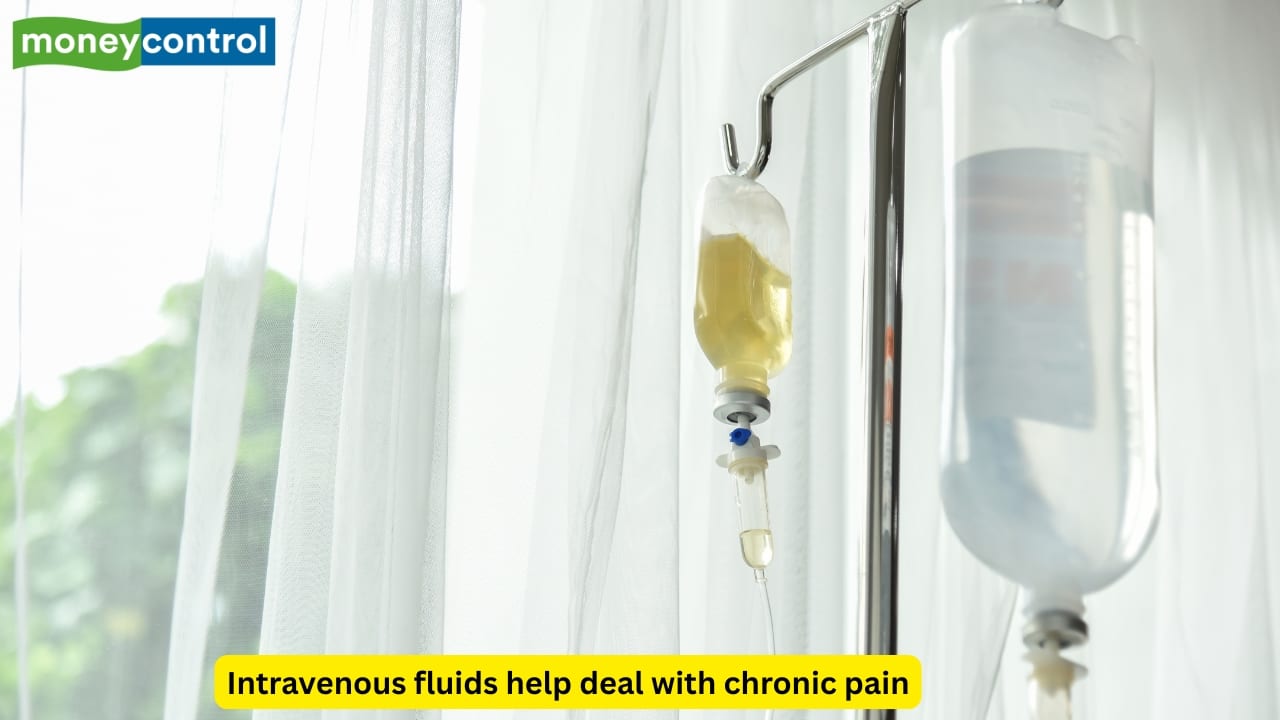
Initially, the condition is managed by giving intravenous fluids and controlling the pain. Bowel rest is advised, and the vitals and urine output are monitored. In severe cases, oxygen supplementation may become necessary to prevent hypoxia. Early identification of complications prevents worsening of the condition. (Picture Credit: Canva) Disclaimer: This article, including health and fitness advice, only provides generic information. Don’t treat it as a substitute for qualified medical opinion. Always consult a specialist for specific health diagnosis.
Initially, the condition is managed by giving intravenous fluids and controlling the pain. Bowel rest is advised, and the vitals and urine output are monitored. In severe cases, oxygen supplementation may become necessary to prevent hypoxia. Early identification of complications prevents worsening of the condition. (Picture Credit: Canva) Disclaimer: This article, including health and fitness advice, only provides generic information. Don’t treat it as a substitute for qualified medical opinion. Always consult a specialist for specific health diagnosis.
Discover the latest Business News, Budget 2025 News, Sensex, and Nifty updates. Obtain Personal Finance insights, tax queries, and expert opinions on Moneycontrol or download the Moneycontrol App to stay updated!



