-
My Account









Causes, symptoms and treatment tips for epiphora: When tears won’t stop
Epiphora is excessive watering of the eyes caused by increased tear production from irritation or reduced drainage due to obstruction. Common causes include conjunctivitis, dry eyes, punctal or duct blockage, and eyelid malpositions.




1/10

What is epiphora?
Epiphora refers to excessive watering of eyes either due to increased production of tears as a result of ocular irritation or because of defective drainage of tears via the lacrimal system. Under normal circumstances, tears drain through the puncta. Any obstruction in the normal pathways of tears can lead to epiphora. (Images: Canva)
Epiphora refers to excessive watering of eyes either due to increased production of tears as a result of ocular irritation or because of defective drainage of tears via the lacrimal system. Under normal circumstances, tears drain through the puncta. Any obstruction in the normal pathways of tears can lead to epiphora. (Images: Canva)
2/10
Ocular surface irritation
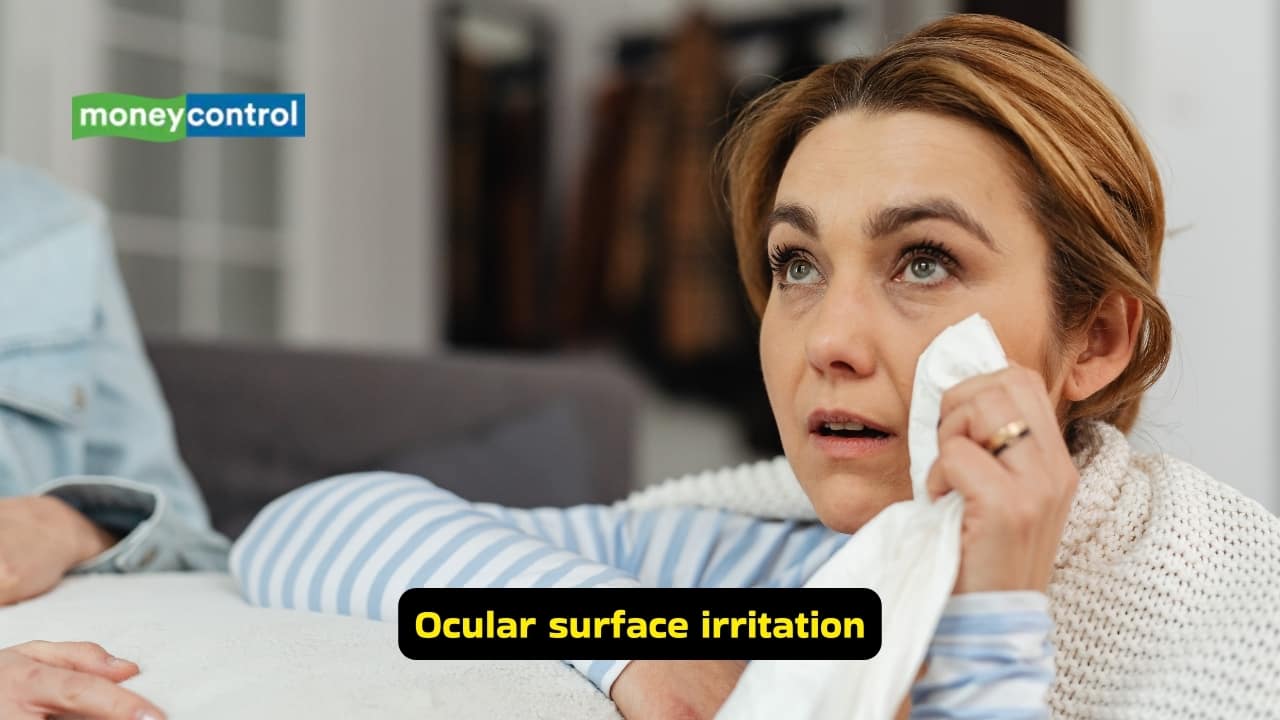
Irritation of the eyes can occur because of multiple reasons, like dry eyes, inflammation of the conjunctiva (conjunctivitis), a foreign body in the eye, and even an abrasion over the cornea can lead to increased watering of the eyes. All such factors trigger hypersecretion.
Irritation of the eyes can occur because of multiple reasons, like dry eyes, inflammation of the conjunctiva (conjunctivitis), a foreign body in the eye, and even an abrasion over the cornea can lead to increased watering of the eyes. All such factors trigger hypersecretion.
3/10

Allergic conjunctivitis
An individual with allergic conjunctivitis, one of the causes of epiphora, often present with complaints of sudden watering from the eyes, redness and an abnormal intolerance to bright light (photophobia). Some people may have such symptoms because of pre-existing allergies as well. The diagnosis is often clinical based on the signs and symptoms.
An individual with allergic conjunctivitis, one of the causes of epiphora, often present with complaints of sudden watering from the eyes, redness and an abnormal intolerance to bright light (photophobia). Some people may have such symptoms because of pre-existing allergies as well. The diagnosis is often clinical based on the signs and symptoms.
4/10

Infective conjunctivitis
Other common reasons for epiphora include acute viral or bacterial conjunctivitis, which causes mucopurulent or watery discharge along with epiphora. Other symptoms like redness in the eyes and stickiness are also present, along with a foreign-body sensation. Lubricants and broad-spectrum antibiotics are often recommended.
Other common reasons for epiphora include acute viral or bacterial conjunctivitis, which causes mucopurulent or watery discharge along with epiphora. Other symptoms like redness in the eyes and stickiness are also present, along with a foreign-body sensation. Lubricants and broad-spectrum antibiotics are often recommended.
5/10

Nasolacrimal duct obstruction
NLDO, also known as nasolacrimal duct obstruction, commonly seen in adults, occurs because of idiopathic stenosis or trauma. Long-term inflammation can also lead to NLDO. The person experiences watering from one eye and discharge. Dacryocystorhinostomy is usually the treatment of choice, and early treatment of sinusitis can aid in preventing this condition.
NLDO, also known as nasolacrimal duct obstruction, commonly seen in adults, occurs because of idiopathic stenosis or trauma. Long-term inflammation can also lead to NLDO. The person experiences watering from one eye and discharge. Dacryocystorhinostomy is usually the treatment of choice, and early treatment of sinusitis can aid in preventing this condition.
6/10
Punctal stenosis
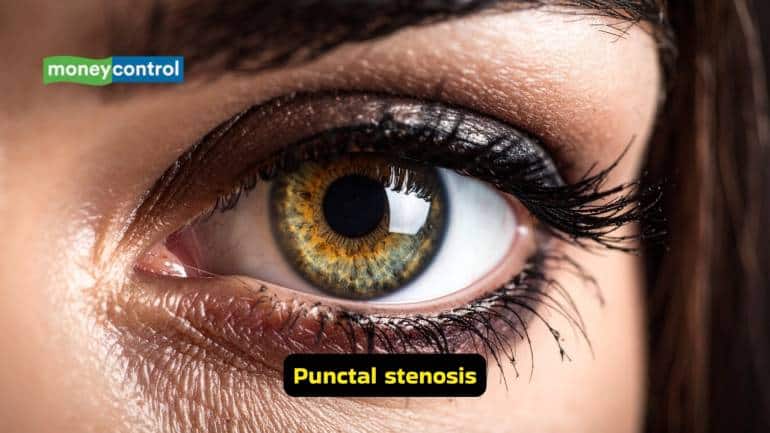
Tiny openings on the inner side of the eyelids that drain tears into the nose are known as puncta. A narrowing of the puncta causes impaired drainage, thus leading to watering of eyes and recurrent conjunctivitis. Dilation of the puncta may be the treatment choice in most cases.
Tiny openings on the inner side of the eyelids that drain tears into the nose are known as puncta. A narrowing of the puncta causes impaired drainage, thus leading to watering of eyes and recurrent conjunctivitis. Dilation of the puncta may be the treatment choice in most cases.
7/10

Lacrimal sac disorders
Disorders of the lacrimal sac, the upper dilated end of the nasolacrimal duct that collects tears from the eyes before they are drained into the nasal cavity, can also cause epiphora. Acute dacryocystitis causes painful swelling over the lacrimal sac and the chronic form presents with epiphora and discharge.
Disorders of the lacrimal sac, the upper dilated end of the nasolacrimal duct that collects tears from the eyes before they are drained into the nasal cavity, can also cause epiphora. Acute dacryocystitis causes painful swelling over the lacrimal sac and the chronic form presents with epiphora and discharge.
8/10

Ectropion
Outward turning of the eyelid, known as ectropion, can affect punctal apposition, thus leading to watering of eyes. Chronic tearing and a visible sagging of the lower lid is a common finding in such cases. Surgical tightening is often the preferred treatment.
Outward turning of the eyelid, known as ectropion, can affect punctal apposition, thus leading to watering of eyes. Chronic tearing and a visible sagging of the lower lid is a common finding in such cases. Surgical tightening is often the preferred treatment.
9/10

Inturned lashes
Trichiasis refers to misdirected eyelashes that turn towards the cornea and cause irritation of the eyes and reflex tearing. Symptoms like pain, a foreign-body sensation and watering from the eyes are common. Epilation of the lashes and lubricants can aid in relieving the symptoms.
Trichiasis refers to misdirected eyelashes that turn towards the cornea and cause irritation of the eyes and reflex tearing. Symptoms like pain, a foreign-body sensation and watering from the eyes are common. Epilation of the lashes and lubricants can aid in relieving the symptoms.
10/10

Diagnosis and management
The diagnosis of this condition involves a detailed history and a slit-lamp examination, along with syringing and probing tests. Nasal endoscopy may be advised in some cases. The treatment often depends on the cause, and antibiotics and antihistamines may be recommended. (Disclaimer: This article, including health and fitness advice, only provides generic information. Don’t treat it as a substitute for qualified medical opinion. Always consult a specialist for specific health diagnosis)
The diagnosis of this condition involves a detailed history and a slit-lamp examination, along with syringing and probing tests. Nasal endoscopy may be advised in some cases. The treatment often depends on the cause, and antibiotics and antihistamines may be recommended. (Disclaimer: This article, including health and fitness advice, only provides generic information. Don’t treat it as a substitute for qualified medical opinion. Always consult a specialist for specific health diagnosis)
Discover the latest Business News, Budget 2025 News, Sensex, and Nifty updates. Obtain Personal Finance insights, tax queries, and expert opinions on Moneycontrol or download the Moneycontrol App to stay updated!



