-
My Account











10 Psychological Tricks to Help Your Brain Stay Motivated
Discover ten simple psychological methods that help the brain stay motivated. Each point focuses on practical actions that support steady progress, clear thinking and long term consistency.




1/10

Break Big Tasks into Small Steps
When a task feels large, the brain often avoids it. Breaking it into smaller steps helps you focus on one part at a time. Each finished step gives your brain a sense of progress, which encourages you to continue. This method also prevents you from feeling stuck at the beginning. When you can see clear movement, even if it is small, your motivation becomes steady and easier to maintain.
When a task feels large, the brain often avoids it. Breaking it into smaller steps helps you focus on one part at a time. Each finished step gives your brain a sense of progress, which encourages you to continue. This method also prevents you from feeling stuck at the beginning. When you can see clear movement, even if it is small, your motivation becomes steady and easier to maintain.
2/10

Set Clear and Realistic Goals
Your brain stays motivated when it knows exactly what you need to achieve. Clear goals give you direction and remind you why you are doing the work. When goals are realistic, the brain believes they can be reached and does not resist them. This simple clarity reduces confusion and keeps you moving forward. It also helps you stay focused, especially when you feel distracted or unsure.
Your brain stays motivated when it knows exactly what you need to achieve. Clear goals give you direction and remind you why you are doing the work. When goals are realistic, the brain believes they can be reached and does not resist them. This simple clarity reduces confusion and keeps you moving forward. It also helps you stay focused, especially when you feel distracted or unsure.
3/10

Use the Power of Visual Reminders
Visual cues, such as notes, charts or a progress board, signal your brain to stay on track. When you see them often, they gently guide your attention back to your task. These reminders help you avoid forgetting your plans or delaying work. The brain responds well to visual information, so keeping important cues in your daily surroundings helps you stay consistent. It also strengthens your long term motivation.
Visual cues, such as notes, charts or a progress board, signal your brain to stay on track. When you see them often, they gently guide your attention back to your task. These reminders help you avoid forgetting your plans or delaying work. The brain responds well to visual information, so keeping important cues in your daily surroundings helps you stay consistent. It also strengthens your long term motivation.
4/10

Reward Yourself After Finishing Tasks
Small rewards help your brain link effort with a positive outcome. When you know something pleasant is waiting at the end of a task, you are more likely to begin and complete it. The reward does not need to be big; it can be a break, a short walk, a favourite snack, or a few minutes of music. Over time, your brain starts to expect this pattern and stays motivated naturally.
Small rewards help your brain link effort with a positive outcome. When you know something pleasant is waiting at the end of a task, you are more likely to begin and complete it. The reward does not need to be big; it can be a break, a short walk, a favourite snack, or a few minutes of music. Over time, your brain starts to expect this pattern and stays motivated naturally.
5/10

Build a Simple and Steady Routine
Routines reduce the mental effort needed to start a task. When your brain knows what to do at a certain time, it does not waste energy deciding. This makes it easier to begin your work without delay. A steady routine also helps you stay organised and maintain momentum through the day. Once your actions become regular, your motivation becomes more stable and dependable.
Routines reduce the mental effort needed to start a task. When your brain knows what to do at a certain time, it does not waste energy deciding. This makes it easier to begin your work without delay. A steady routine also helps you stay organised and maintain momentum through the day. Once your actions become regular, your motivation becomes more stable and dependable.
6/10
Use Positive Self Talk During Difficult Moments
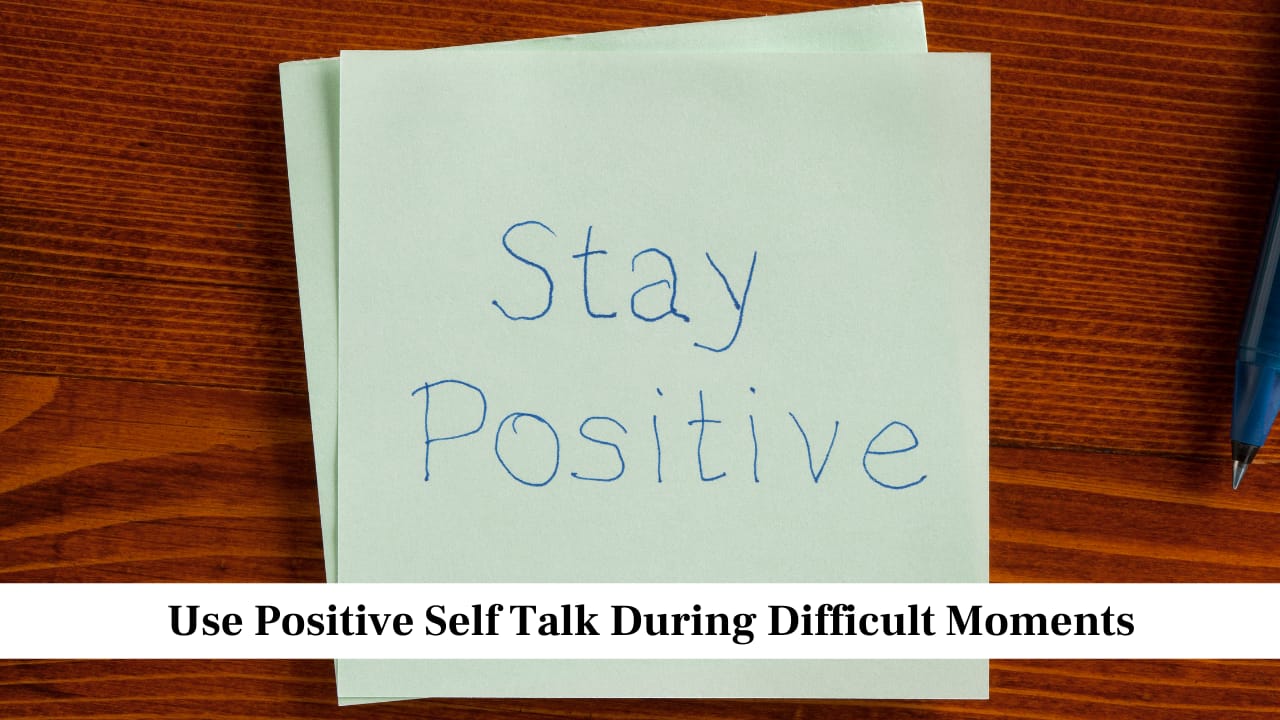
The way you speak to yourself affects how your brain responds to challenges. When you use encouraging and calm words, you give your mind a sense of control. This reduces stress and helps you stay focused on the task. Positive self talk also reminds you of your ability to handle difficulties. By guiding your thoughts in a helpful direction, you keep your motivation steady even when the work feels tiring.
The way you speak to yourself affects how your brain responds to challenges. When you use encouraging and calm words, you give your mind a sense of control. This reduces stress and helps you stay focused on the task. Positive self talk also reminds you of your ability to handle difficulties. By guiding your thoughts in a helpful direction, you keep your motivation steady even when the work feels tiring.
7/10

Limit Distractions to Protect Focus
Your brain loses motivation quickly when it is interrupted often. Reducing distractions creates a space where your mind can work without constant breaks. This helps you enter a smooth flow where tasks feel easier to manage. Simple steps like keeping your phone away, cleaning your workspace or turning off notifications can make a difference. When your focus is protected, your motivation naturally stays stronger.
Your brain loses motivation quickly when it is interrupted often. Reducing distractions creates a space where your mind can work without constant breaks. This helps you enter a smooth flow where tasks feel easier to manage. Simple steps like keeping your phone away, cleaning your workspace or turning off notifications can make a difference. When your focus is protected, your motivation naturally stays stronger.
8/10
Track Your Progress Regularly
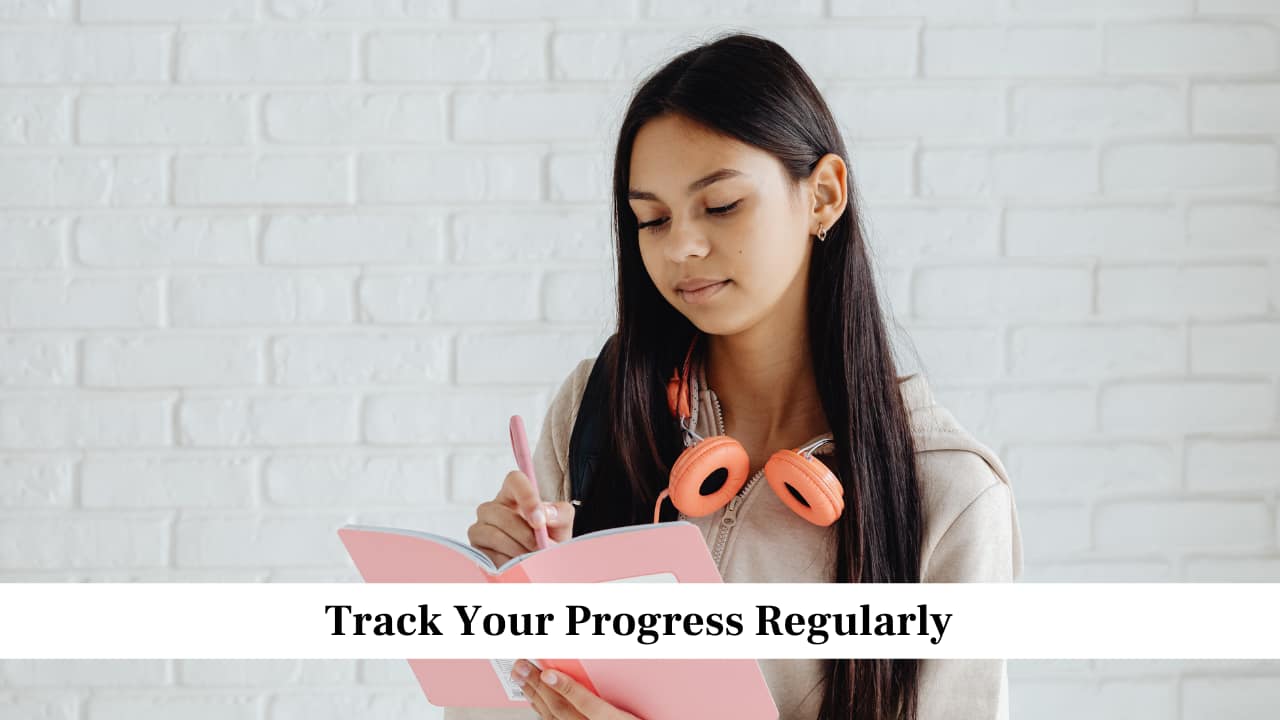
Seeing your progress gives your brain proof that your effort is working. This is one of the strongest motivators, especially during long tasks. You can track progress through a journal, a checklist, or a simple chart. When you look back and see what you have done, it builds confidence and reduces doubt. This habit keeps you motivated because it shows you that you are moving forward, even on slow days.
Seeing your progress gives your brain proof that your effort is working. This is one of the strongest motivators, especially during long tasks. You can track progress through a journal, a checklist, or a simple chart. When you look back and see what you have done, it builds confidence and reduces doubt. This habit keeps you motivated because it shows you that you are moving forward, even on slow days.
9/10

Connect Your Task to a Larger Purpose
Your brain is more motivated when it understands why a task matters. When you link your work to a personal goal or value, it feels more meaningful. This sense of purpose helps you continue even when the work becomes difficult or repetitive. It also strengthens your emotional connection to the task. Knowing that your effort supports something important gives your motivation a stronger and longer lasting base.
Your brain is more motivated when it understands why a task matters. When you link your work to a personal goal or value, it feels more meaningful. This sense of purpose helps you continue even when the work becomes difficult or repetitive. It also strengthens your emotional connection to the task. Knowing that your effort supports something important gives your motivation a stronger and longer lasting base.
10/10

Start with the Easiest Task First
Beginning with a simple task helps you overcome the mental barrier that often appears at the start. Once you complete something small, your brain feels active and ready for the next step. This creates early success, which boosts your confidence for harder tasks. It also stops you from waiting too long to begin. By starting small, you create a natural flow that keeps your motivation steady.
Beginning with a simple task helps you overcome the mental barrier that often appears at the start. Once you complete something small, your brain feels active and ready for the next step. This creates early success, which boosts your confidence for harder tasks. It also stops you from waiting too long to begin. By starting small, you create a natural flow that keeps your motivation steady.
Discover the latest Business News, Budget 2025 News, Sensex, and Nifty updates. Obtain Personal Finance insights, tax queries, and expert opinions on Moneycontrol or download the Moneycontrol App to stay updated!



